

Kyushu is the large southernmost main island of Japan, a region where volcanic peaks, hot-spring villages, and historic port cities meet a relaxed, welcoming culture. Whether you start your travel in Fukuoka, the island’s largest city, or fly in from Tokyo, Kyoto, Osaka, or overseas through Fukuoka Airport, Kyushu offers a perfect balance of Japanese tradition, coastal scenery, and modern comfort. For visitors seeking flexibility, this guide highlights how traveling through Kyushu allows you to experience Japan’s natural landscapes, historical sites, and activities at your own pace.
For travelers who like flexibility and natural landscapes, Kyushu is one of Japan’s best regions to travel by car. Short hour-long routes connect scenic roads, ancient shrines, geological volcano areas, and quiet countryside treasures that reward stopping whenever something catches your eye. This guide incorporates north and south highlights so visitors can learn about each unique region and its prefectures.
Introduction to Kyushu – A Relaxed Island With Deep Culture
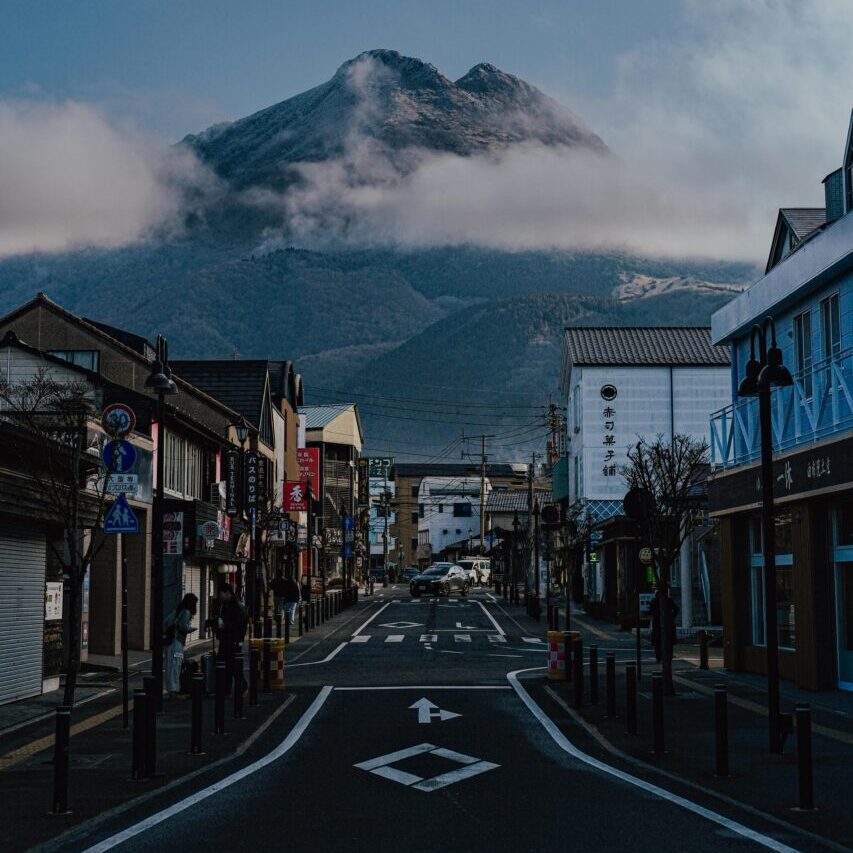
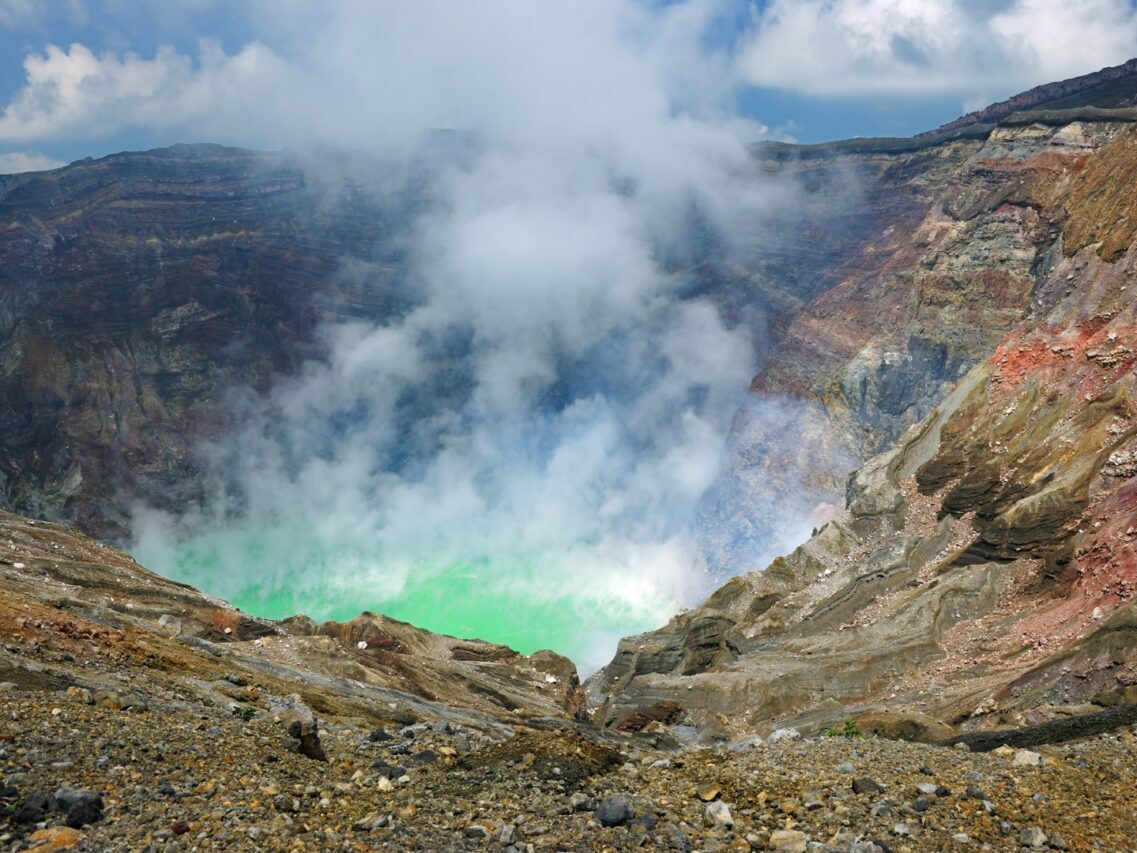
Kyushu has long been known as Japan’s gateway island, a place where continental trade, samurai routes, and early foreign contact shaped a unique local identity. Today, its prefectures—from Oita to Kagoshima—blend ancient traditions, coastal scenery, and modern creativity. The island’s landscapes range from the steaming crater of Japan’s great volcano Mount Aso to the peaceful forests of Yakushima, one of the most recommended nature destinations in the country.
The island’s mild weather, vivid colors, and accessible activities across all seasons make Kyushu one of the most enjoyable islands for travel in Japan.
Culture & History
Kyushu’s historical depth stretches back to ancient times, with some of Japan’s earliest settlements located here. Because of its port access, Nagasaki became a center of cultural exchange in the 16th century, introducing tea, Western sciences, and new forms of art and architecture.
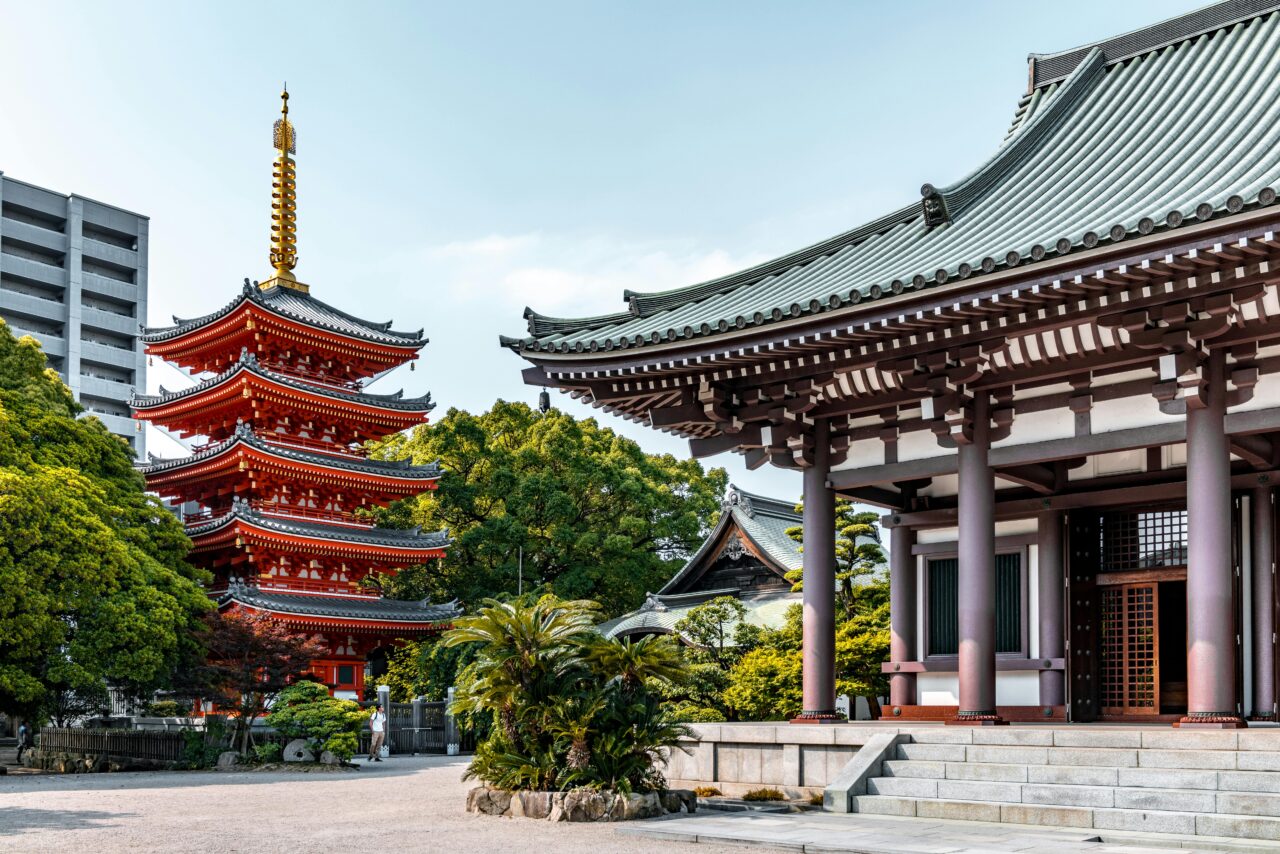
In contrast, towns like Dazaifu served as powerful regional capitals, home to government offices, bustling markets, and significant shrines. Dazaifu Tenmangu remains one of Kyushu’s most famous temples—an essential location for travelers hoping to learn about traditional Japan.
What Kyushu Is Known For
Kyushu stands out among Japan’s major destinations for:
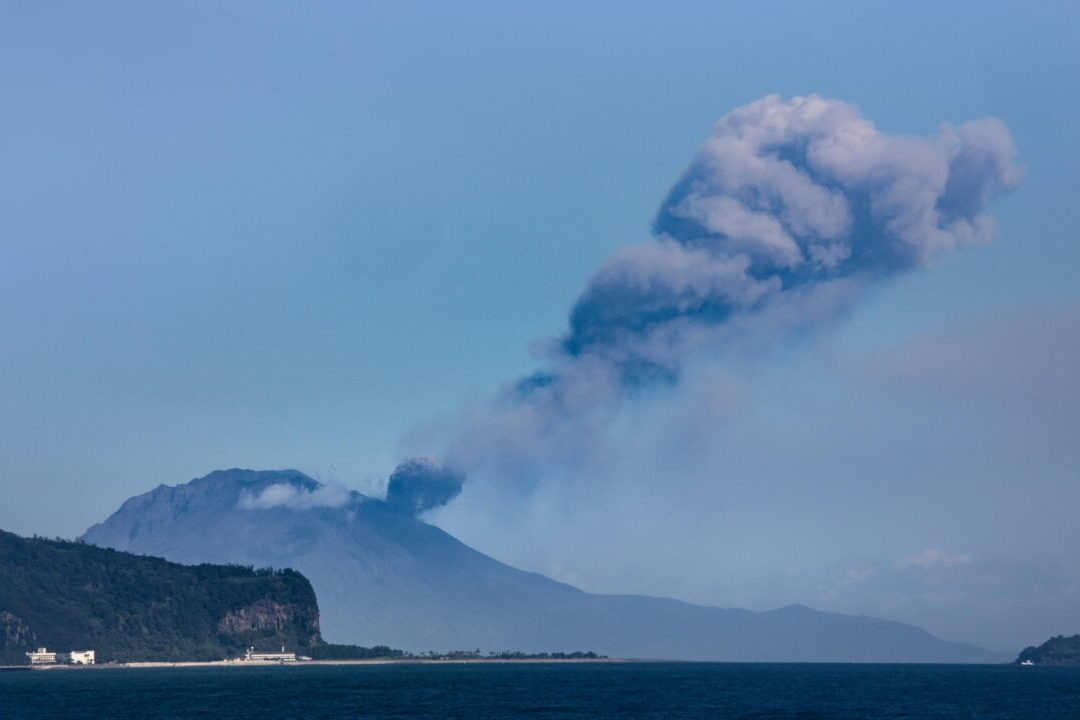
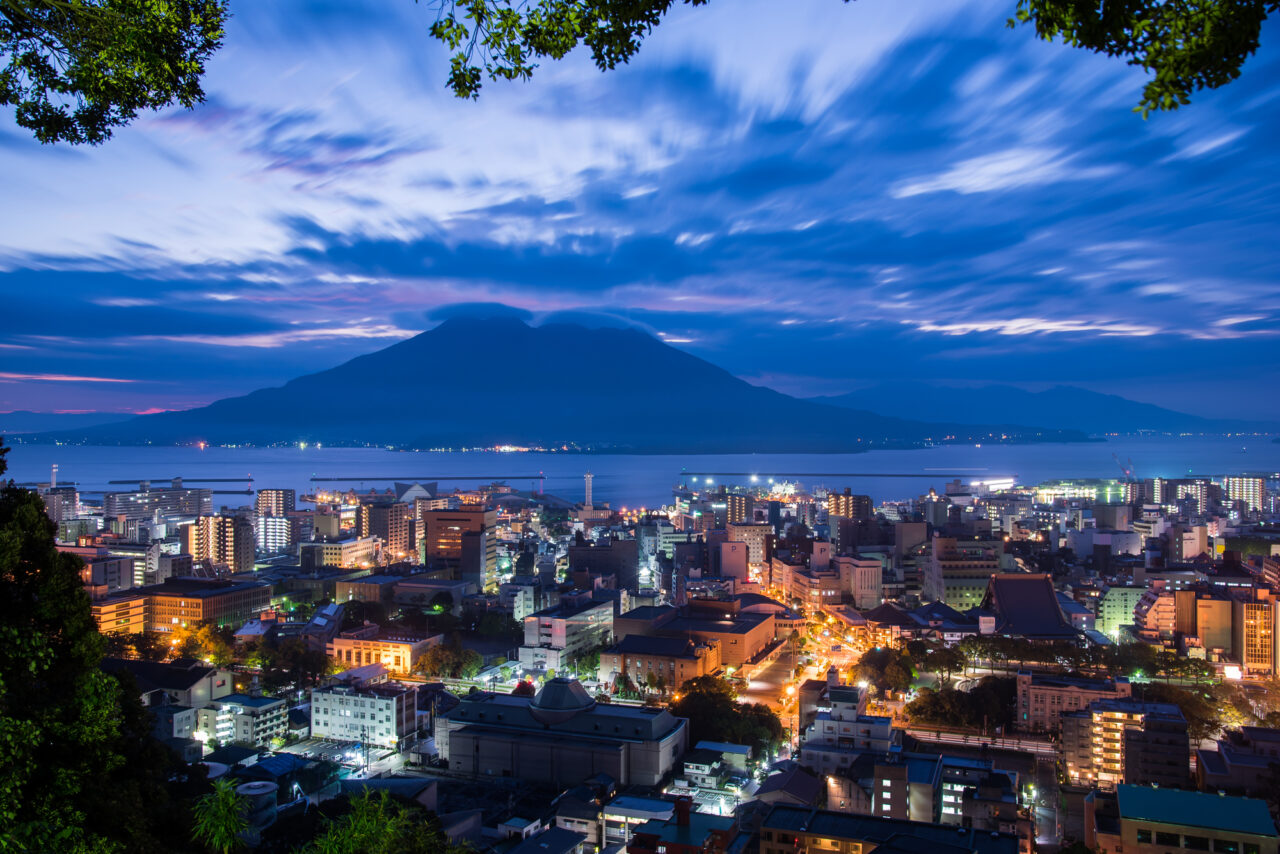
- Volcano Landscapes & National Parks — The colossal Aso-Kujū National Park, Sakurajima in Kagoshima, and geothermal areas in Oita offer surreal views, crater walks, and hot spring villages.
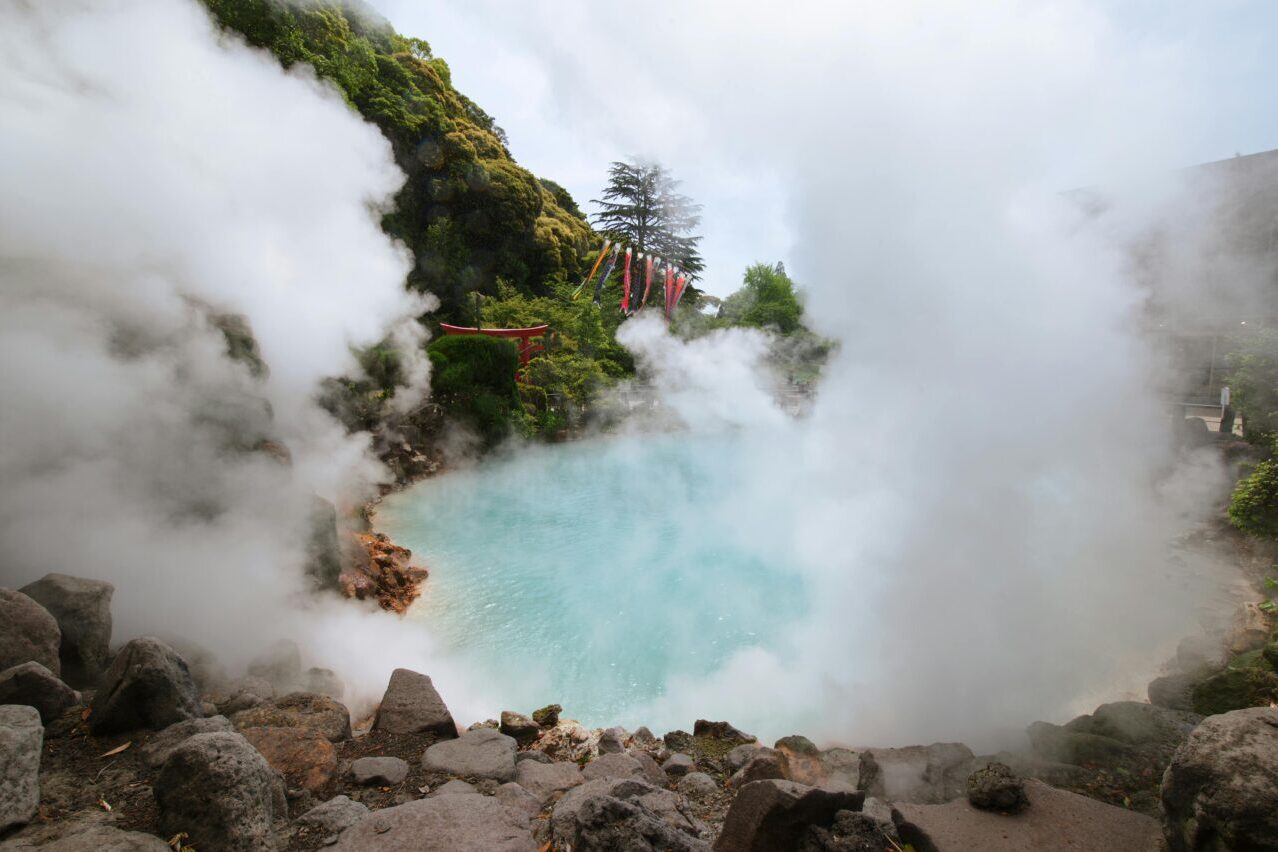
- Onsen & relaxation — Beppu, Yufuin, and Kurokawa are among Japan’s most popular onsen (hot spring) areas—perfect after a day of exploring by car, train, or bus.
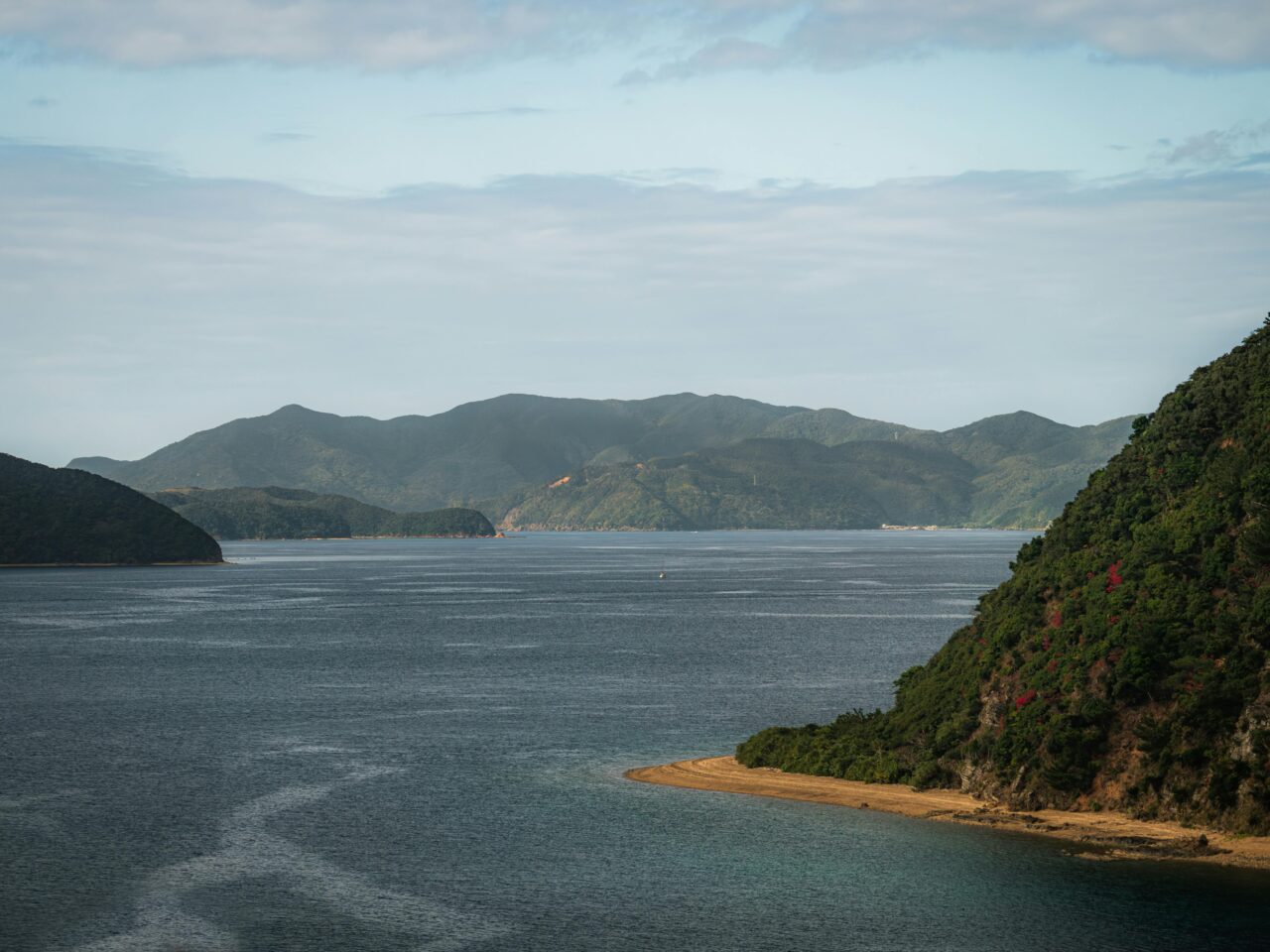
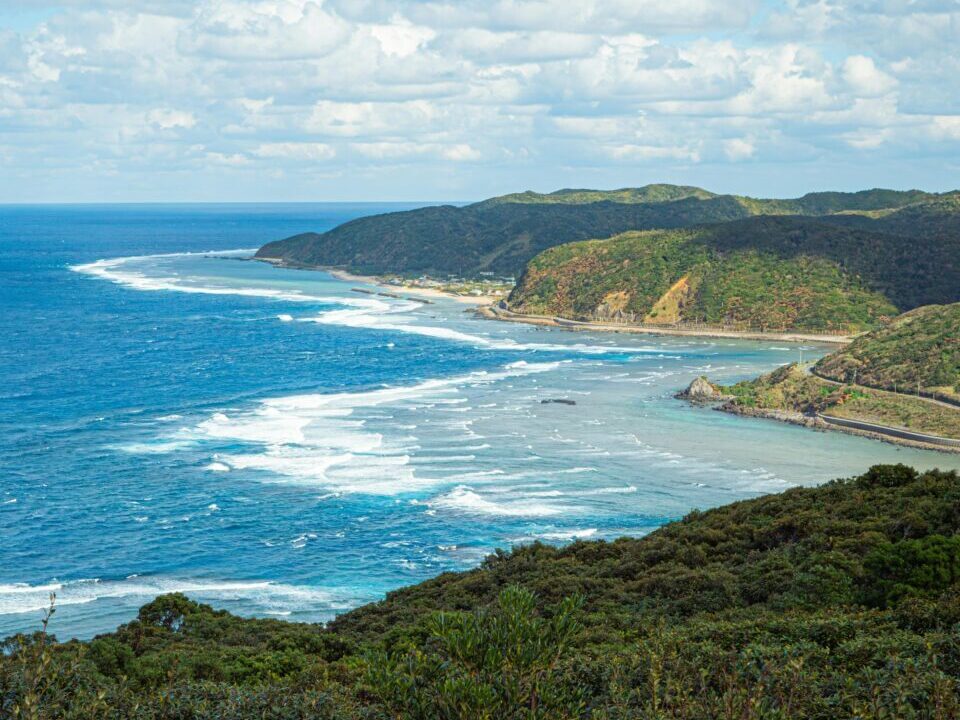
- Beaches, sea cliffs & peninsula drives — Coastal peninsulas in Kagoshima and Miyazaki offer ocean scenery, shrines by the sea, and quiet towns ideal for travelers wanting a slower pace.
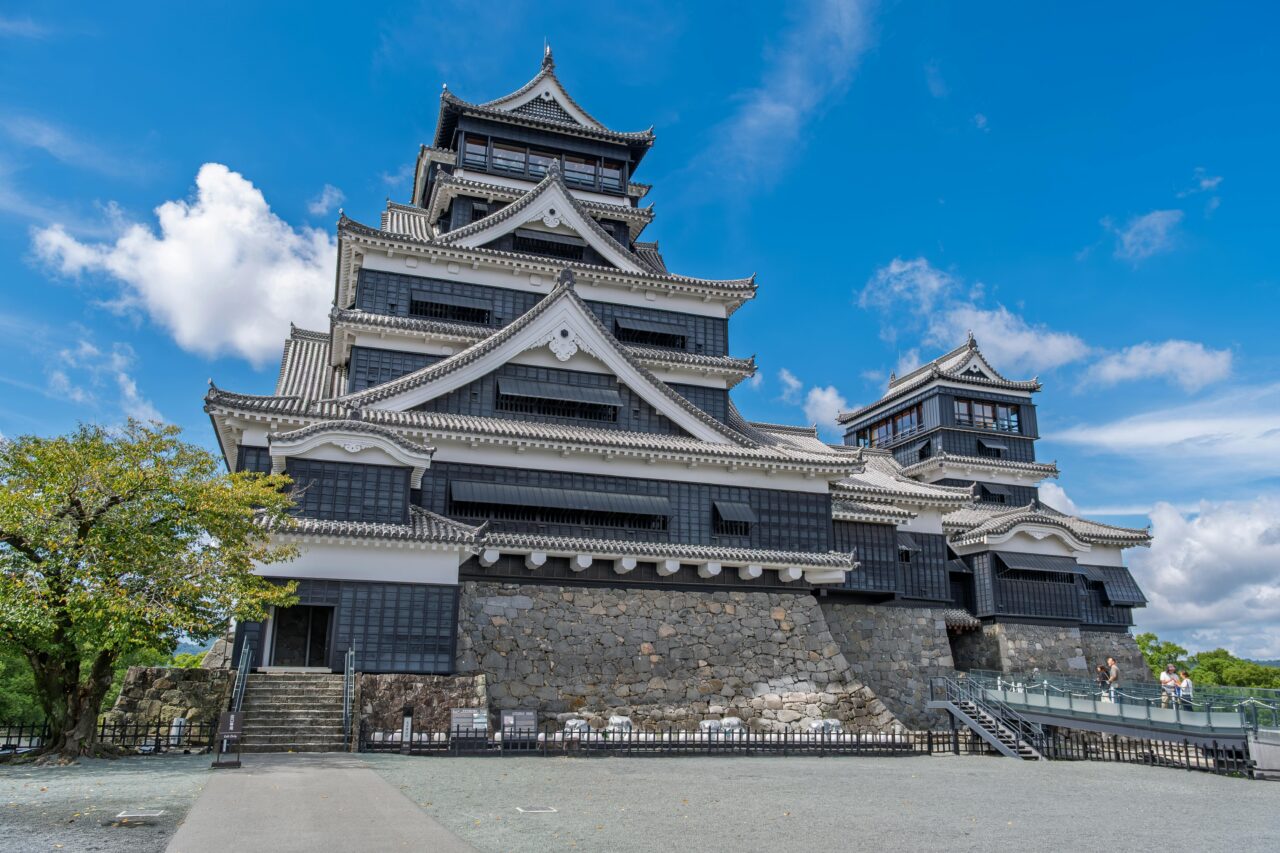
- Historic castles, tea culture & pottery — Visit Kumamoto Castle, Nagasaki’s Dutch-influenced neighborhoods, or the famed pottery towns of Arita (Saga), which shaped Japanese ceramics for centuries.
- Food & Yatai culture — A mix of delicious dishes including tonkotsu ramen, regional sushi, market snacks, and coastal cuisine. Nighttime yatai stalls create uniquely local dining experiences.
Top Attractions
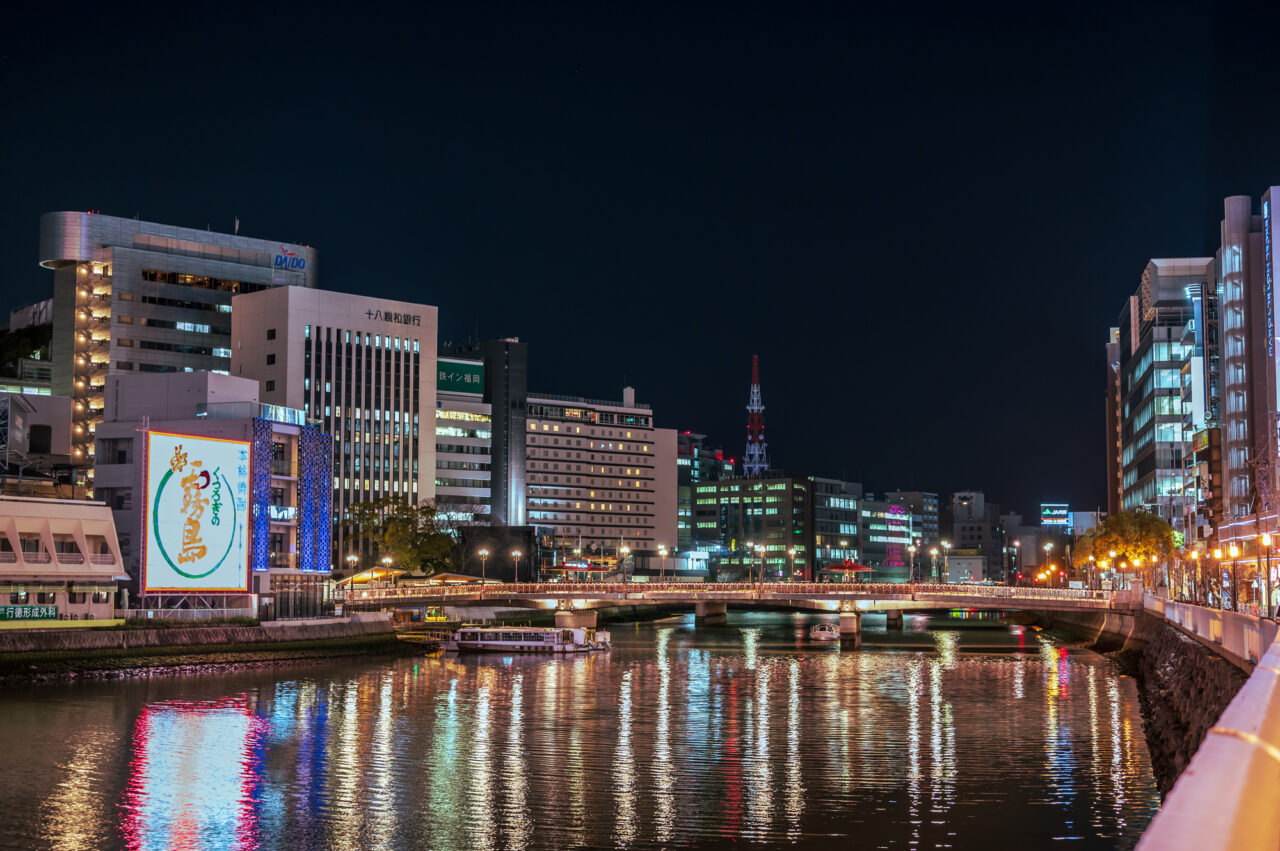
- Fukuoka City & Hakata Station – The best entry point for Kyushu travel, with easy access from Tokyo, Osaka, Hiroshima and Kansai via the shinkansen and JR rail lines. Explore Hakata’s canal districts, Kushida shrine, the Tenjin shopping area, and Fukuoka’s waterfront port. English-friendly restaurants make it a great starting place for first-time visitors.
- Dazaifu – Just outside Fukuoka, Dazaifu Tenmangu offers a spiritual introduction to Japanese culture, plus the Kyushu National Museum—a must-see art and history site.
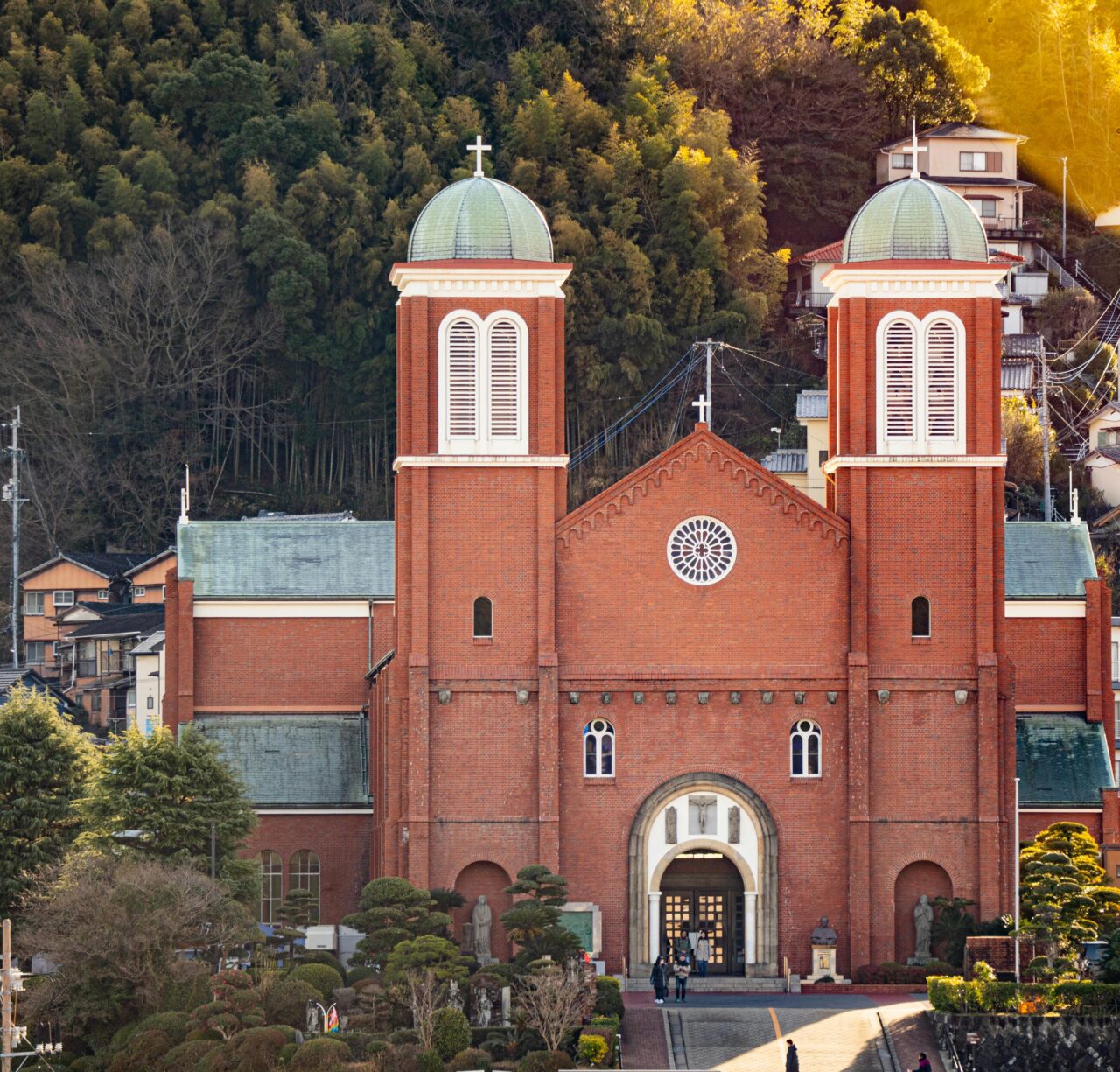
- Nagasaki City – A complex, beautiful city located on a natural port, known for international exchanges, hillside views, seafood, and notable temples. Also a perfect base for exploring nearby islands and coastal districts.
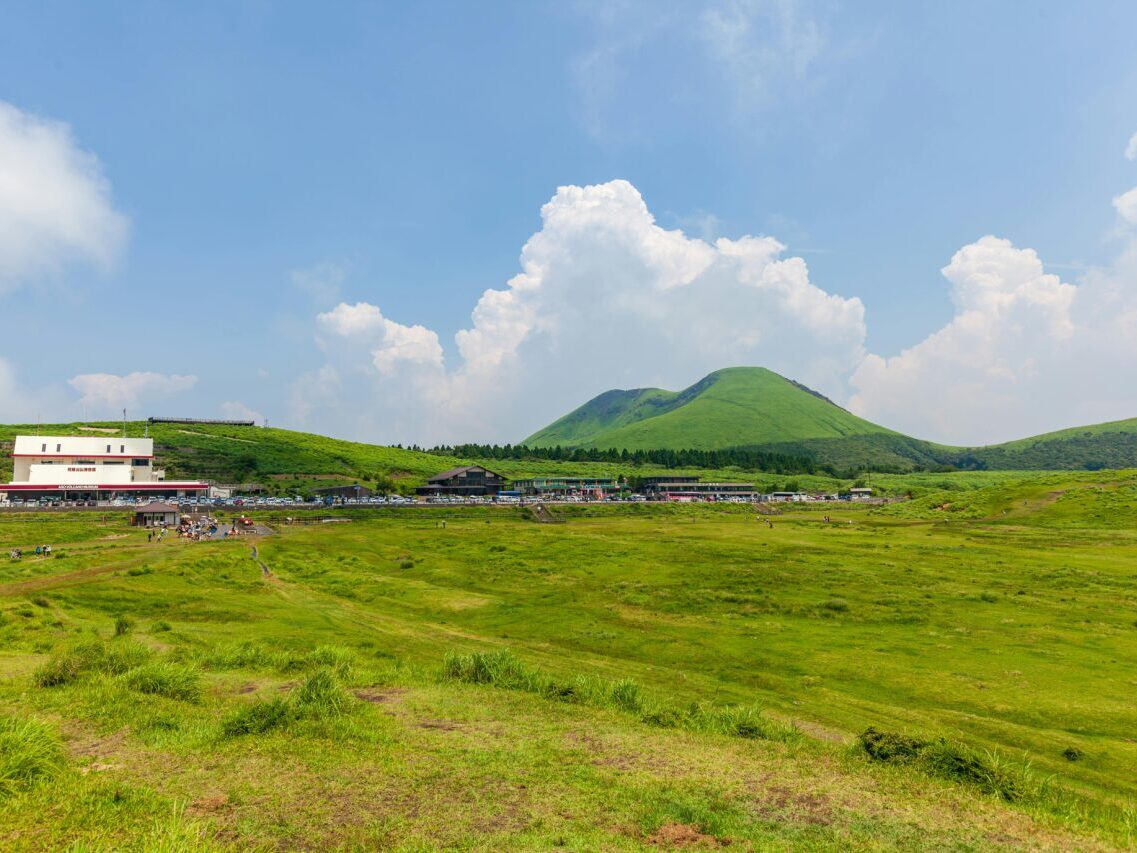
- Kumamoto & Aso Region – Home to Kumamoto Castle, samurai history, and the world-famous Mount Aso caldera. The surrounding nature makes it one of Kyushu’s top regions for scenic drives and photography.
- Beppu & Yufuin (Oita Prefecture) – Some of Japan’s steamiest and most atmospheric onsen towns. Great hotel ryokan options, family-friendly routes, and volcanic sites.
- Kagoshima & the Satsuma Peninsula – Spectacular views of Sakurajima, ferries to nearby islands, and warm southern weather most of the year.
- Miyazaki Coast – A laid-back region known for surfing, shrines set into sea cliffs, subtropical gardens, and wide open coastal views.
- Saga & Arita Pottery Towns – Great for travelers interested in handmade crafts, traditional kilns, quiet town streets, and local culture.
- Karatsu – A charming historical town in Saga prefecture, known for pottery, castles, and coastal landscapes that attract photographers and travelers seeking quieter experiences.
Regions of Kyushu
Kyushu can be divided into four parts:
- Northern Kyushu – Fukuoka, Dazaifu, Shimonoseki, Oita, Yufuin, Beppu – ideal for food, yatai, nightlife, shopping, temples, nutrient-rich hot springs/onsen, and early Japan–international history.
- Central Kyushu – Kumamoto, Aso, Kurokawa Onsen – natural parks, onsen, samurai heritage, volcanic sites, and scenic valleys.
- West Kyushu – Saga, Nagasaki – coastal views, skin care hot springs/onsen, pottery villages, castle towns, Christian heritage sites, and a blend of Japanese and European cultural history.
- Southern Kyushu – Kagoshima, Miyazaki, Yakushima – beaches, tropical islands, deep cultural ties, and famous festival traditions.
Food, Agriculture & Local Specialties
Kyushu’s delicious food scene is one of Japan’s most beloved:
- Hakata ramen (the original tonkotsu)
- Fukuoka’s yatai night stalls
- Fugu (blowfish) from Nagasaki, squid from Fukuoka, saba (mackerel), kanpachi (yellowtail), mentaiko (spicy cod roe)
- Shochu (a Japanese distilled liquor) from Kagoshima and Miyazaki
- Tea fields in Yame and Chiran
- Pottery from Arita and Imari
- Local wagyu, kuro-buta (black pork), and seasonal summer and autumn produce
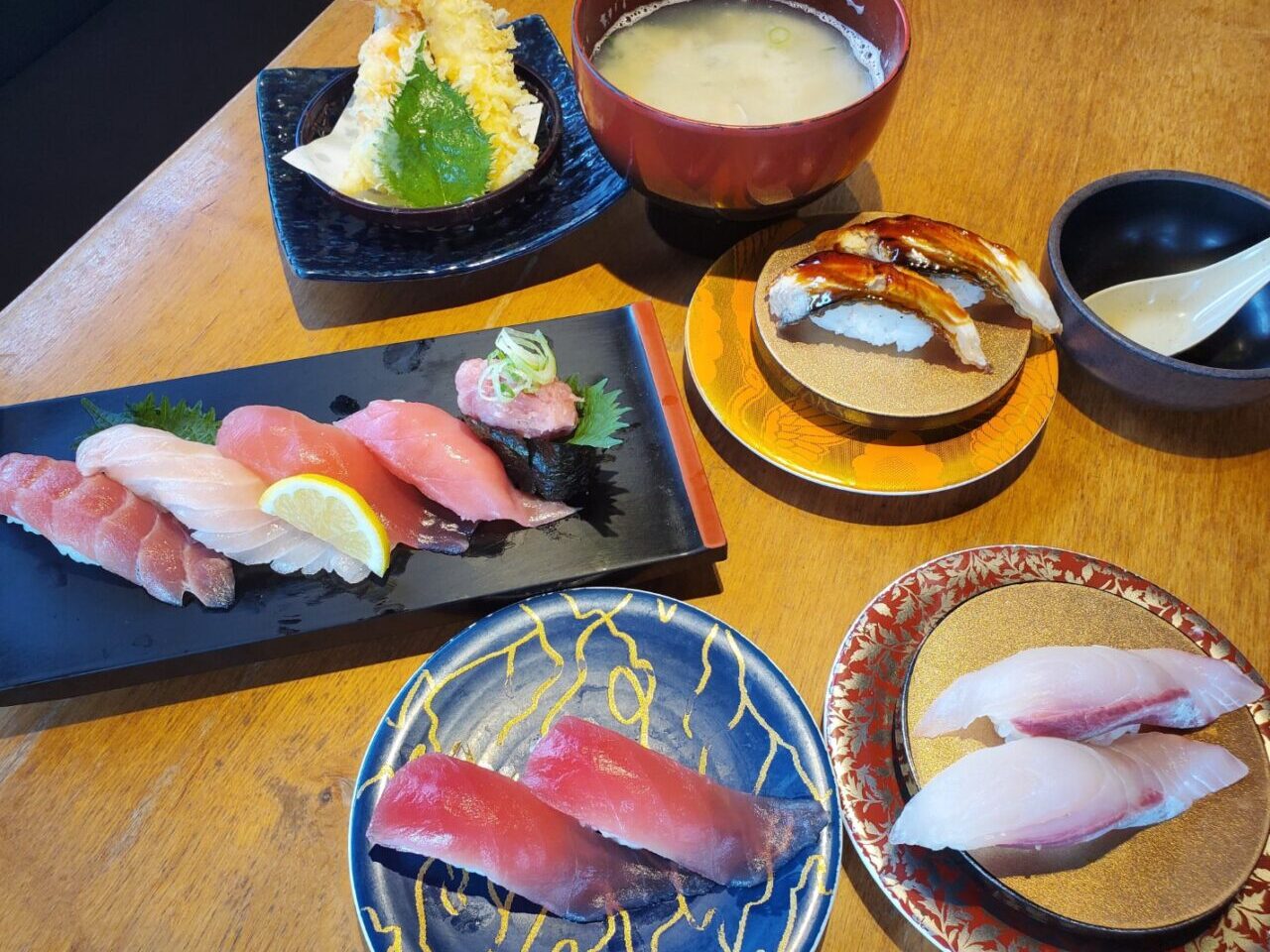
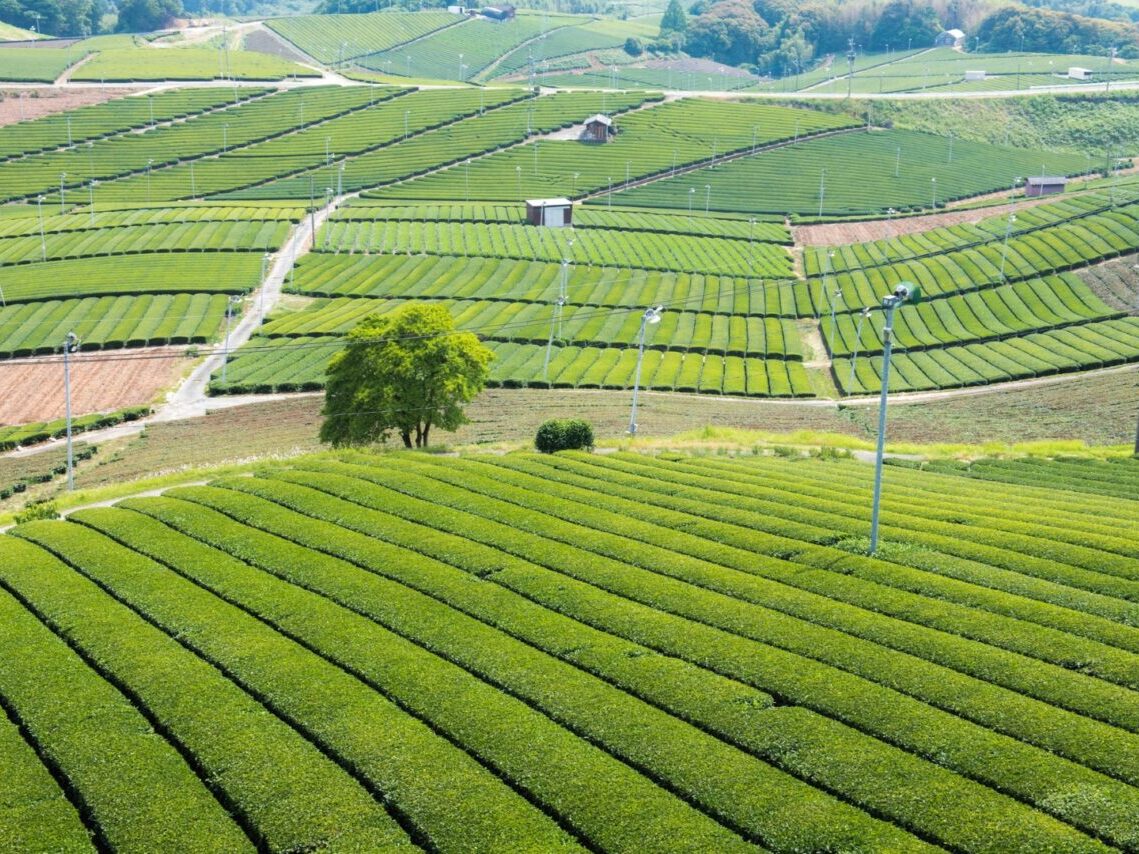
These are not only delicious but also reflect centuries of ancient heritage and regional pride across Kyushu’s prefectures.
Best Seasons to Visit
Spring (March–May)
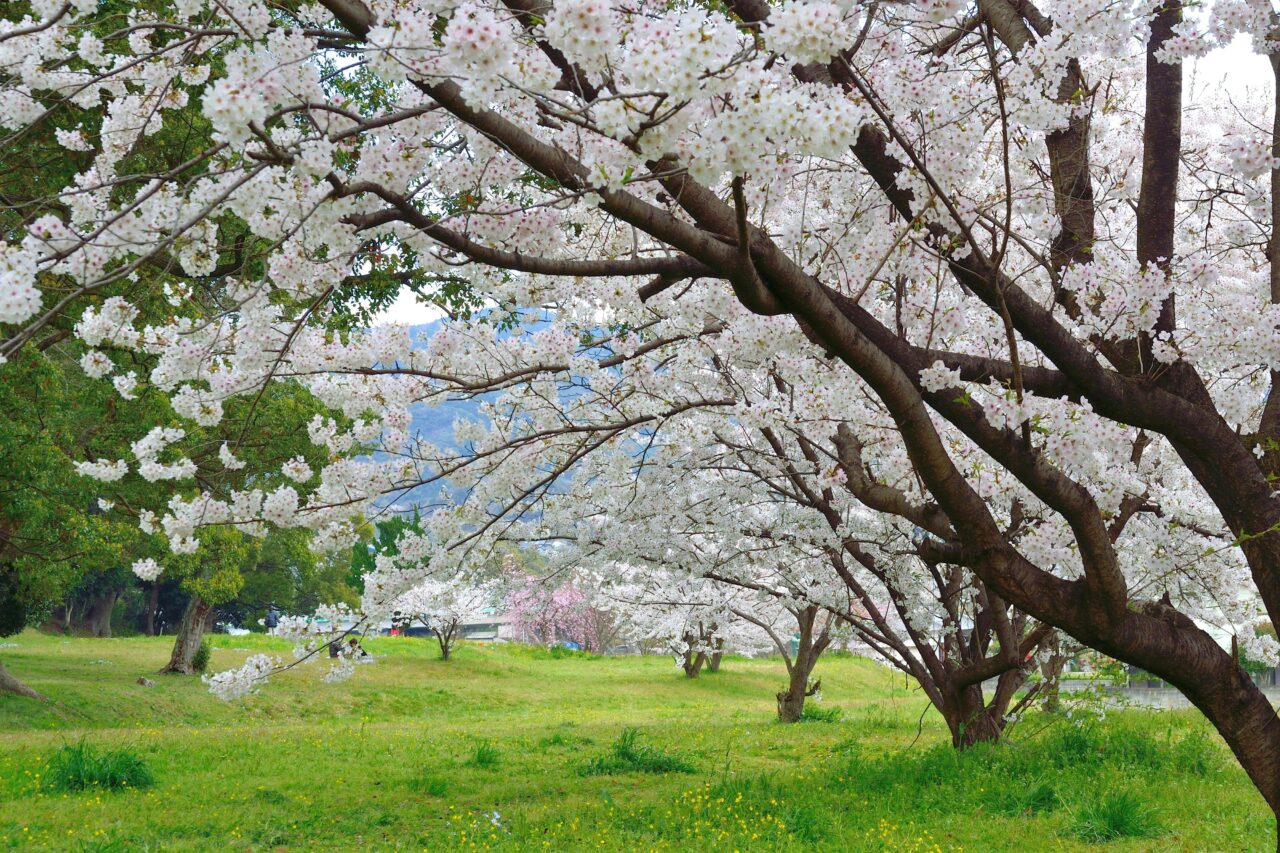
Cherry blossom sites, mild weather, great for shrines, outdoor cafés, and gardens.
Summer (June–August)
Coastal beaches, vibrant activities, ferries, lively festival seasons, and long daylight times.
Autumn (September–November)
Ideal season—crisp air, golden mountain colors, and clear crater views at Aso.
Winter (December–February)
Relax in steamy hot springs (onsen), explore indoor art and cultural sites, enjoy seafood peak season.
Scenic Roads (Perfect for a Self-Drive Roadtrip)
Some of Japan’s best scenic roads are in Hokkaido. A few highlights:
- Yamanami Highway (Oita → Kumamoto) One of the most famous roads in Japan for volcano views, running through grasslands, volcanic plateaus, and beautiful national park regions.
- Aso Panorama Line – One of Japan’s most dramatic road landscapes, with a great view of the caldera, ideal for sunrise or sunset stops.
- Aso Milk Road – Pasture-lined Aso caldera ridge with broad volcano views
- Nichinan Coast (Route 220) – Palm-lined tropical shoreline and surf-kissed cliffs
- Amakusa Pearl Line & Five Bridges (Route 220) – Island-spanning sea vistas and multi-bridge drive
- Nagasaki Sunset Road (Route 202) – Ocean-linked coastal drive with sunset views
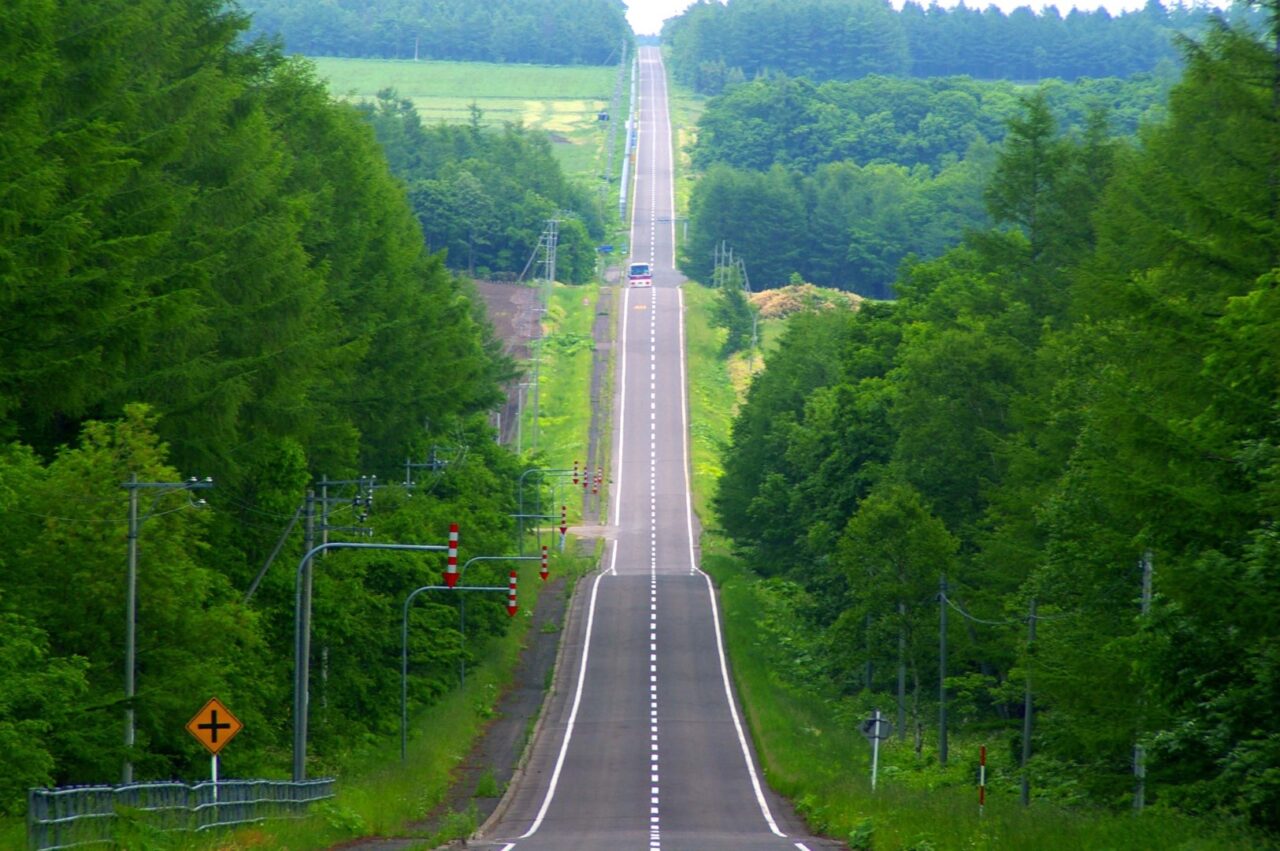
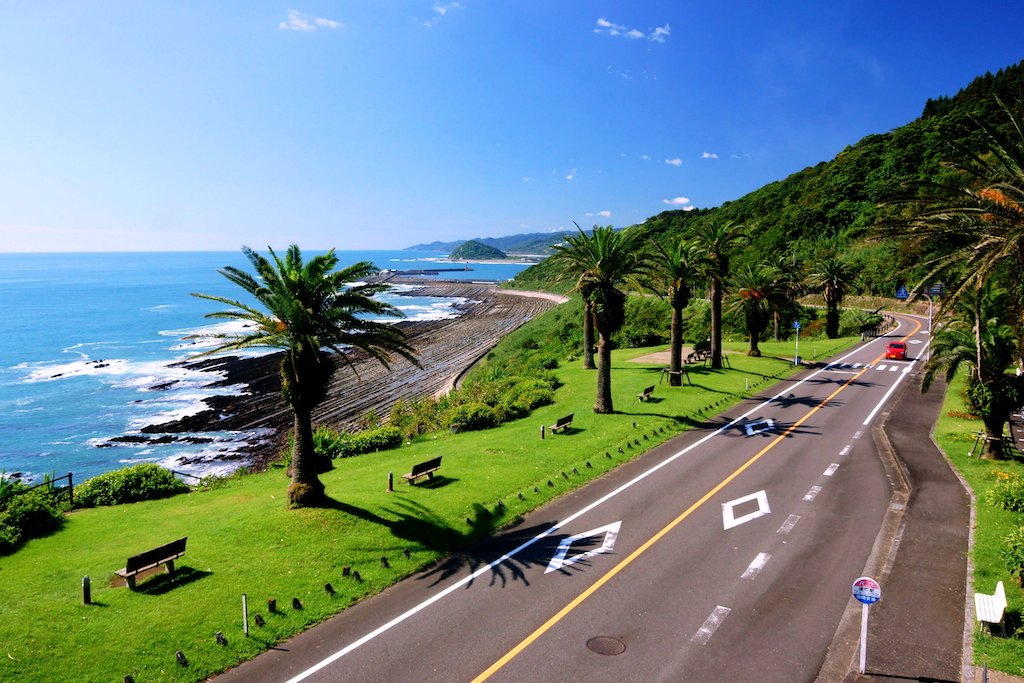
Driving these routes makes the trip feel personal—stopping at cafés, lookout points, and small towns that tourist buses often skip.
How to Get to Kyushu
By Air
Multiple airports connect Kyushu with Tokyo, Osaka, and other major prefectures.
Fukuoka Airport (the major hub, minutes from the city by subway)
Kagoshima, Miyazaki, Nagasaki, Oita, and Kumamoto airports
By Shinkansen/JR
The Sanyo shinkansen connects major north and south cities: Tokyo → Kyoto → Osaka → Hiroshima → Fukuoka (Hakata Station).
JR Kyushu trains also link major cities and districts, often with English signs.
By Ferry
Several long-distance ferries connect Kyushu with other islands, including Shikoku, Honshu, Okinawa, and even from South Korea.
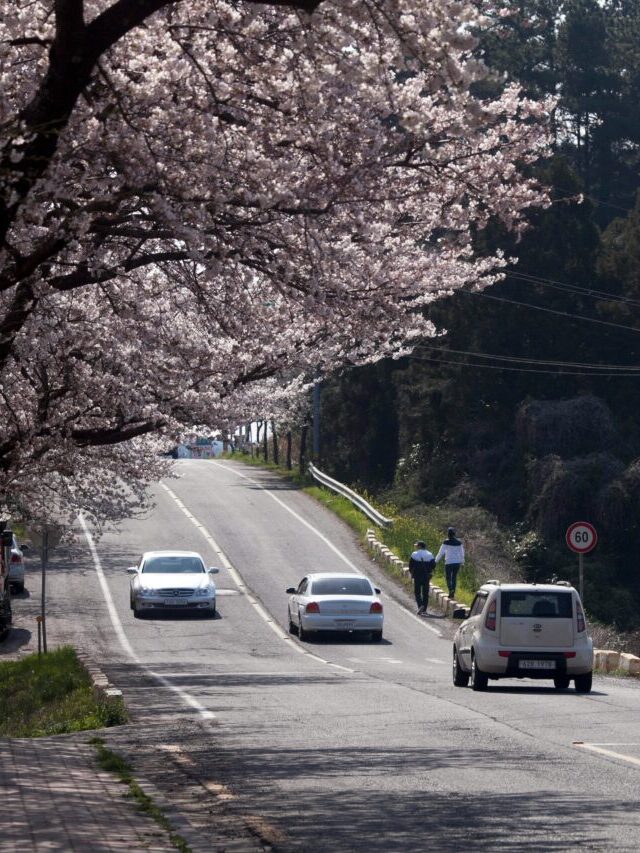
Once you get to Kyushu, its recommended to get around by car. The trains and buses are very limited and don’t go to many places. Kyushu’s layout naturally suits road trips and those who want the freedom of self-driving between its natural and cultural treasures. Distances between cities are short, views along the way are impressive, and parking is easy. A thoughtfully planned route lets you enjoy both popular highlights and uncrowded hidden gems — something you simply don’t get rushing between places by fixed-schedule group tours.
Recommended Itineraries
Skip the complicated trip planning and instead explore Kyushu with one of Drive Japan’s curated driving routes! These routes are all road-tested and are mapped out so you visit each destination at the right time of day, in the most efficient order, and make sure you don’t miss the hidden gems along the way.
- 4-Day Kyushu Culture Circuit: Fukuoka → Yufuin/Beppu → Aso/Kurokawa → Fukuoka
- A Week in Hidden Japan: Fukuoka → Yufuin/Beppu → Aso/Kurokawa → Kumamoto → Nagasaki → Ureshino → Fukuoka
- 16-Day Ultimate Kyushu Route: Fukuoka → Shimonoseki → Yufuin/Beppu → Aso/Kurokawa → Miyazaki → Kagoshima → Ibusuki → Kagoshima → Kumamoto → Nagasaki → Ureshino → Fukuoka
View all 48 of Drive Japan’s Kyushu road trip itineraries here:
(filter by ‘Kyushu’ under ‘Areas’)