
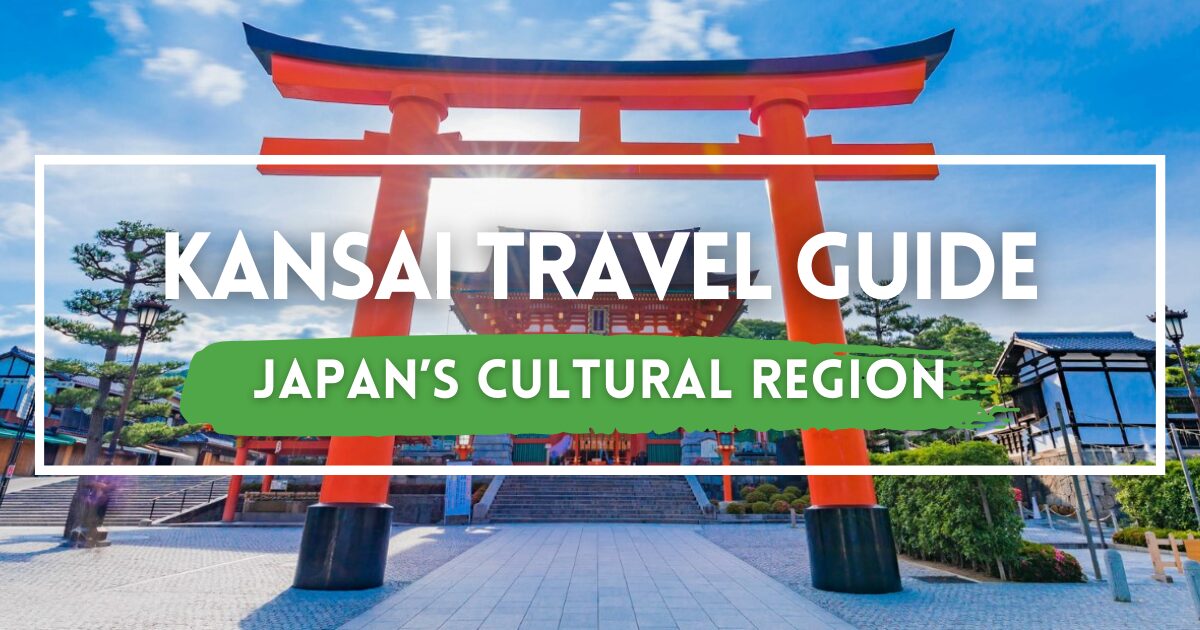
Kansai is the place where Japan’s past and present meet: ancient temples and UNESCO pilgrimage routes, neon-lit nightlife and world-class street food, lake views and rugged coastal roads perfect for a self-drive road trip. This Kansai guide will help you explore Osaka and Kyoto’s must-see sites, plan scenic drives around Lake Biwa and the Kii Peninsula, and taste the regional cuisine that makes Kansai one of Japan’s most beloved travel destinations.
Culture & History
Kansai (also called the Kinki area) is widely regarded as Japan’s historical and cultural heart. For more than a millennium Kyoto served as Japan’s capital and cultural center; Nara was the site of the country’s first permanent capital and some of Japan’s oldest temples; Osaka grew into a mercantile powerhouse and remains Japan’s kitchen and entertainment hub. This long, layered history is visible everywhere — from Kyoto’s quiet temple districts to Osaka’s lively yatai (street food) streets.
What Kansai Is Known For
Kansai is famous worldwide for:
- Kyoto’s temples and gardens — classical Japanese culture, tea ceremonies, geisha districts and cherry-blossom views.
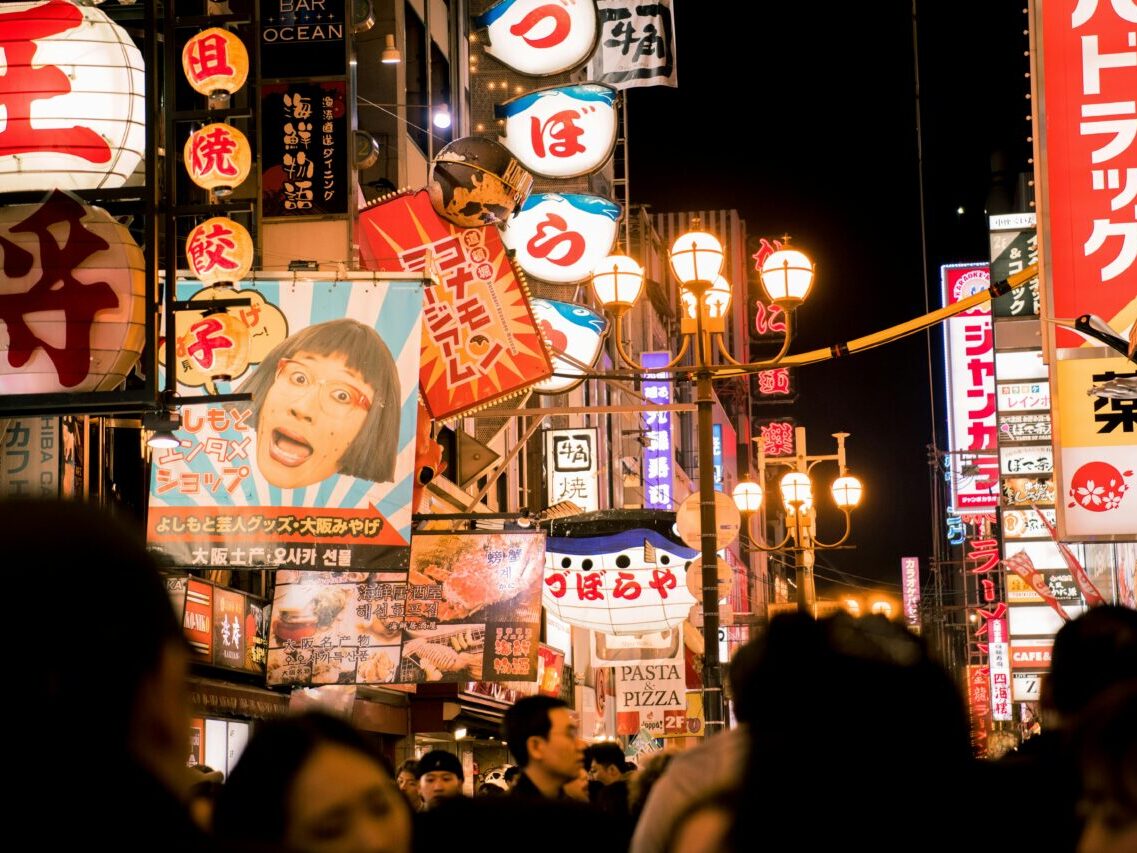
- Osaka’s food and nightlife — takoyaki, okonomiyaki, Dōtonbori neon and friendly, outgoing locals.
- Nara’s ancient shrines and giant Buddha — the cradle of early Japanese Buddhism.
- Pilgrimage and spiritual routes — the Kumano Kodo and Kōyasan spiritual trails (UNESCO World Heritage).
Top Attractions
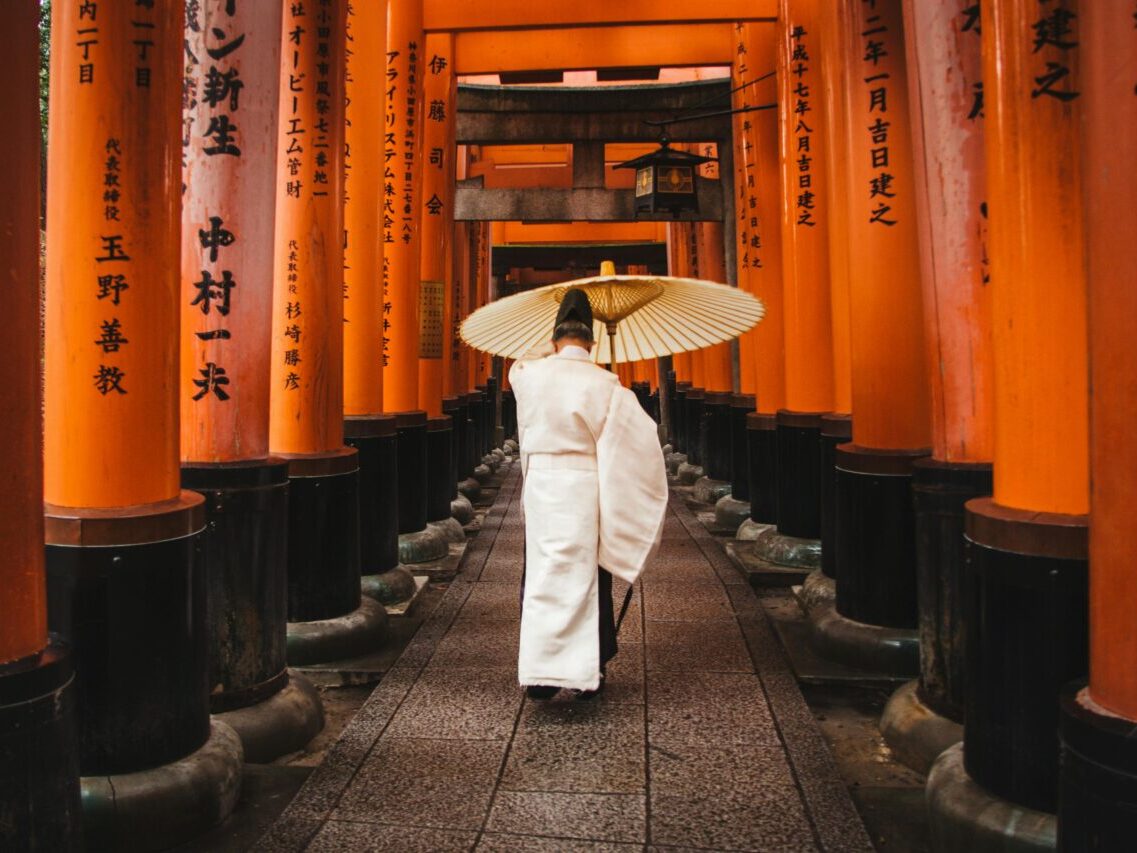
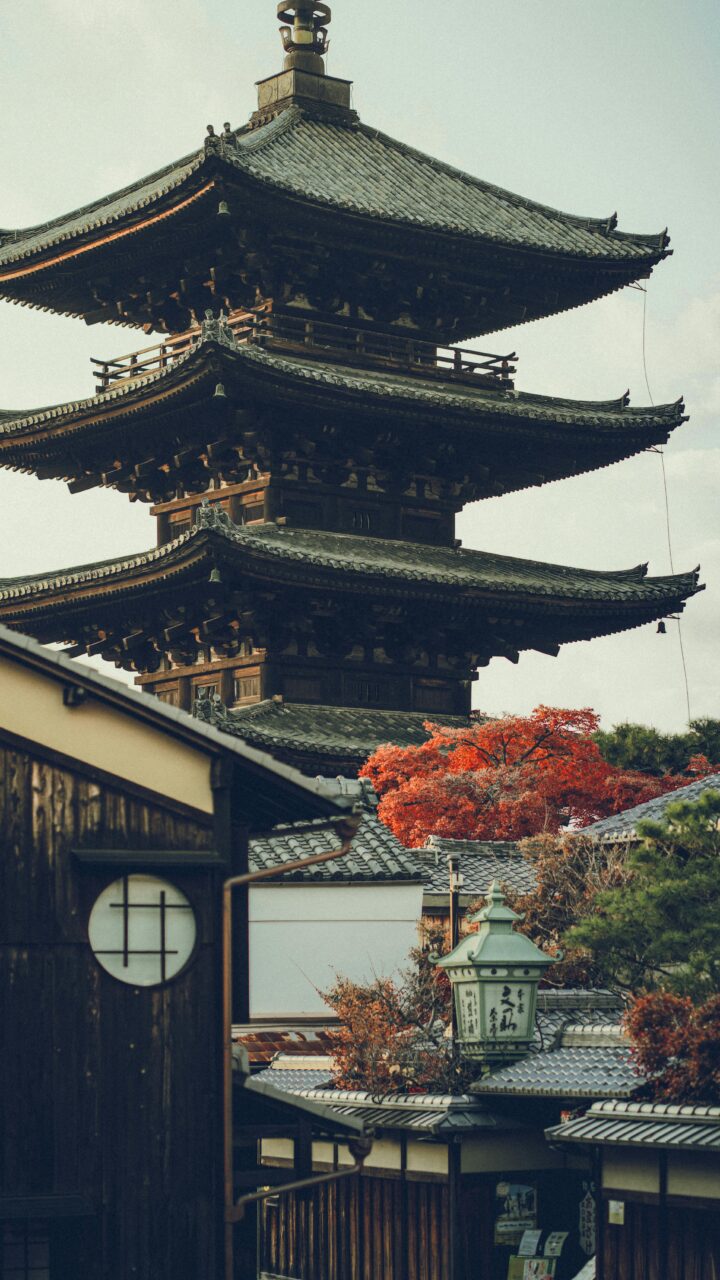
- Kyoto — Fushimi Inari Taisha (thousands of torii gates), Kiyomizu-dera (iconic temple), Gion (geisha district) and Arashiyama’s bamboo grove. Kyoto is essential for anyone exploring Japanese culture and history.
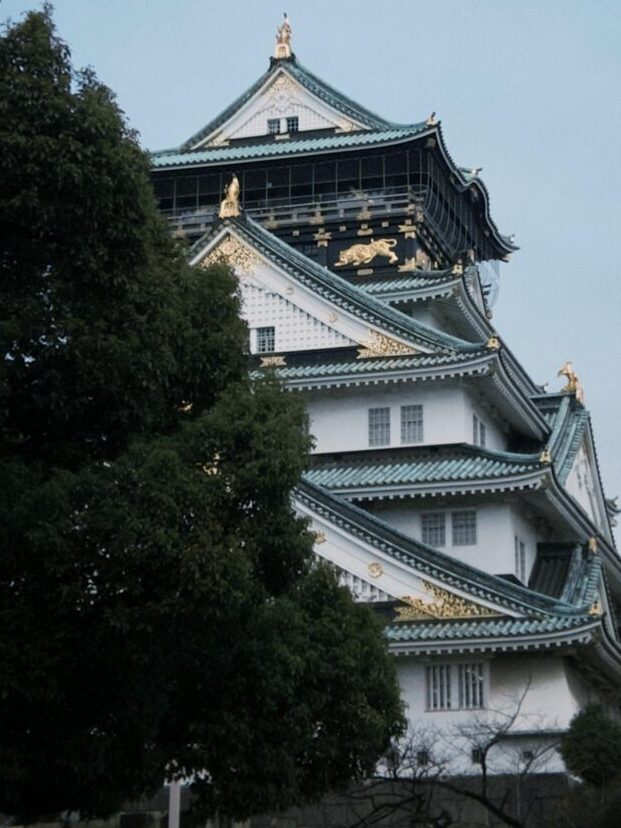
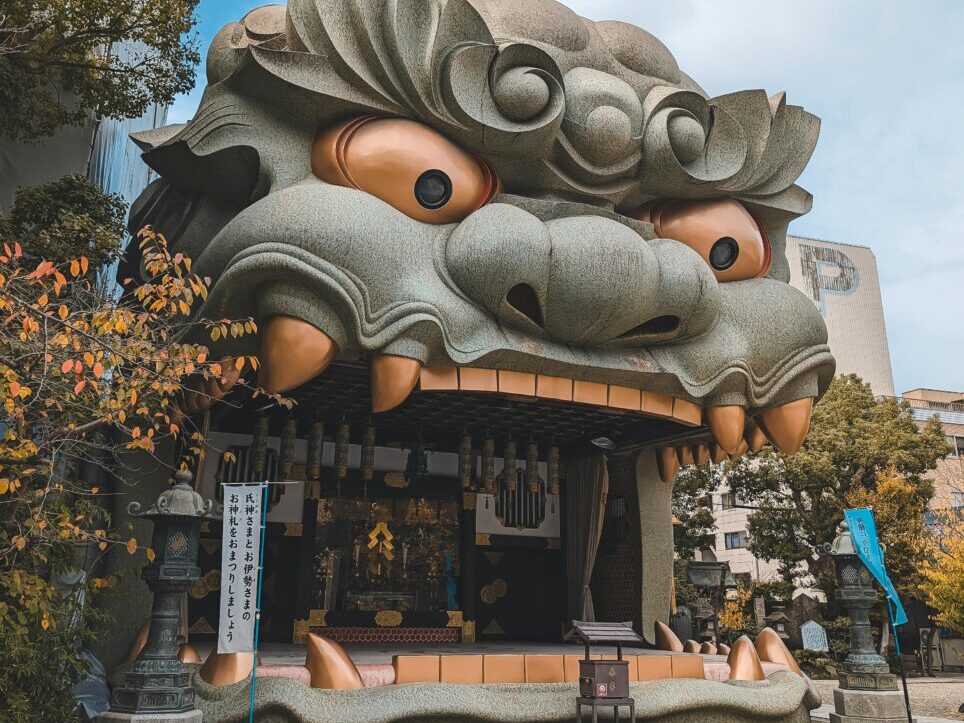
- Osaka — Dōtonbori, Osaka Castle, Umeda Sky Building and the city’s endless food culture. Osaka is a top destination for lively nights and unforgettable food.
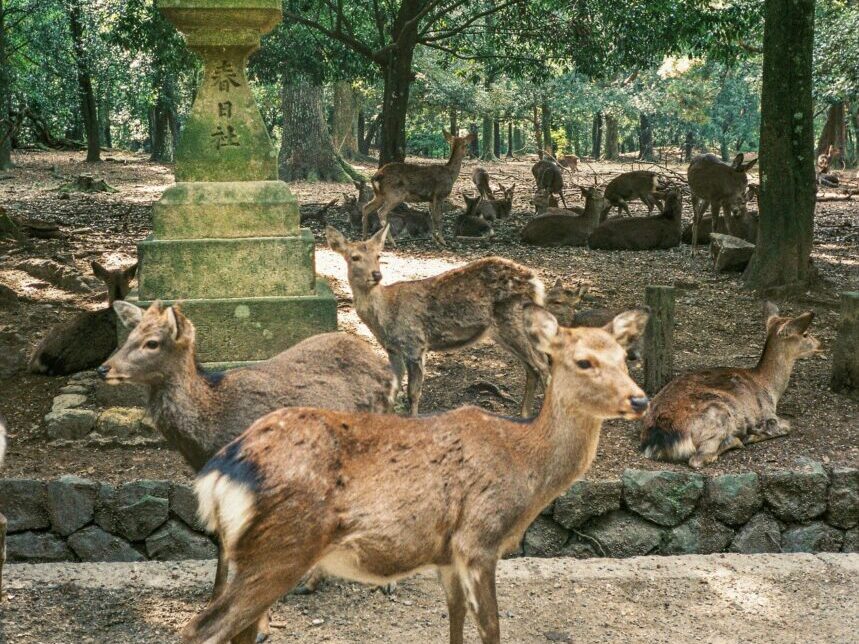
- Nara — Tōdai-ji (Great Buddha), Nara Park (filled with deer that will bow politely for a treat) and Kasuga Taisha — great for a day trip from Kyoto or Osaka.
- Himeji Castle (Hyōgo) — Japan’s most iconic white castle and a UNESCO-recognized masterpiece of feudal architecture.
- Kōyasan and Kumano Kodo (Wakayama / Kii Peninsula) — immersive spiritual sites and pilgrimage routes that are part of a UNESCO World Heritage listing.
- Lake Biwa (Shiga) — Japan’s largest freshwater lake with scenic drives and waterside views.
Regions of Kansai
Kansai spans multiple prefectures — each with its own flavor. The “core” prefectures usually listed for Kansai are:
- Osaka — metropolitan center and transport hub; best for food and nightlife.
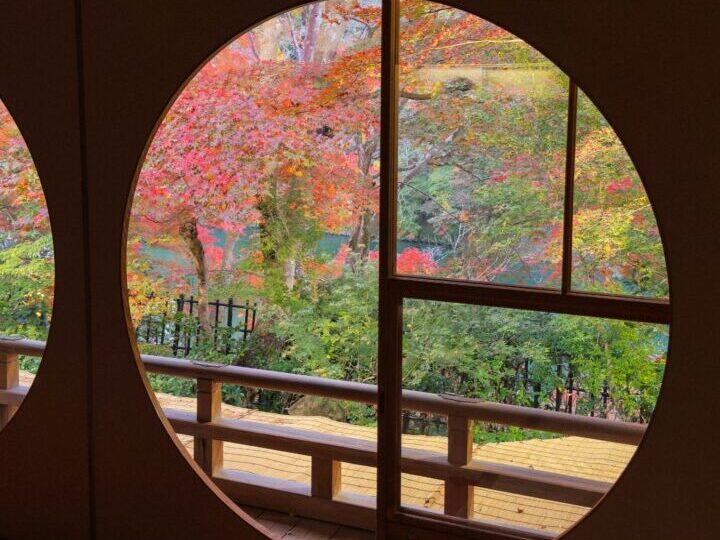
- Kyoto — temples, traditional culture, tea and seasonal views (cherry blossoms, autumn leaves).
- Hyōgo — Kobe’s port, Himeji Castle and coastal drives to Awaji Island.
- Nara — Japan’s ancient capital and spiritual heart.
- Shiga — home to Lake Biwa and scenic mountain drives.
- Wakayama — Kōyasan, Kumano pilgrimage routes and rugged coastlines.
- Mie — Ise Jingu, one of Shinto’s holiest shrines, and seaside roads that link to the Kumano Kodo.
Food, Agriculture & Local Specialties
Kansai cuisine is irresistible — the region’s agricultural bounty and coastal fisheries feed a huge variety of local specialties:
- Osaka: takoyaki (octopus balls), okonomiyaki (savoury pancakes), kushikatsu (fried skewers) — street-food culture is king.
- Kyoto: kaiseki (multi-course haute dining), matcha and Uji green teas, delicate Buddhist vegetarian shōjin ryōri meals.
- Hyōgo / Kobe: Kobe beef and port-side seafood.
- Wakayama: ume (plums) and seaside seafood; unique local onsen (hot spring) and pilgrimage cuisine near Kōyasan.
- Shiga: freshwater fish from Lake Biwa and regional sake.
- Mie: Ise-ebi (lobster), and pilgrim food traditions tied to Ise Jingu (shrine).
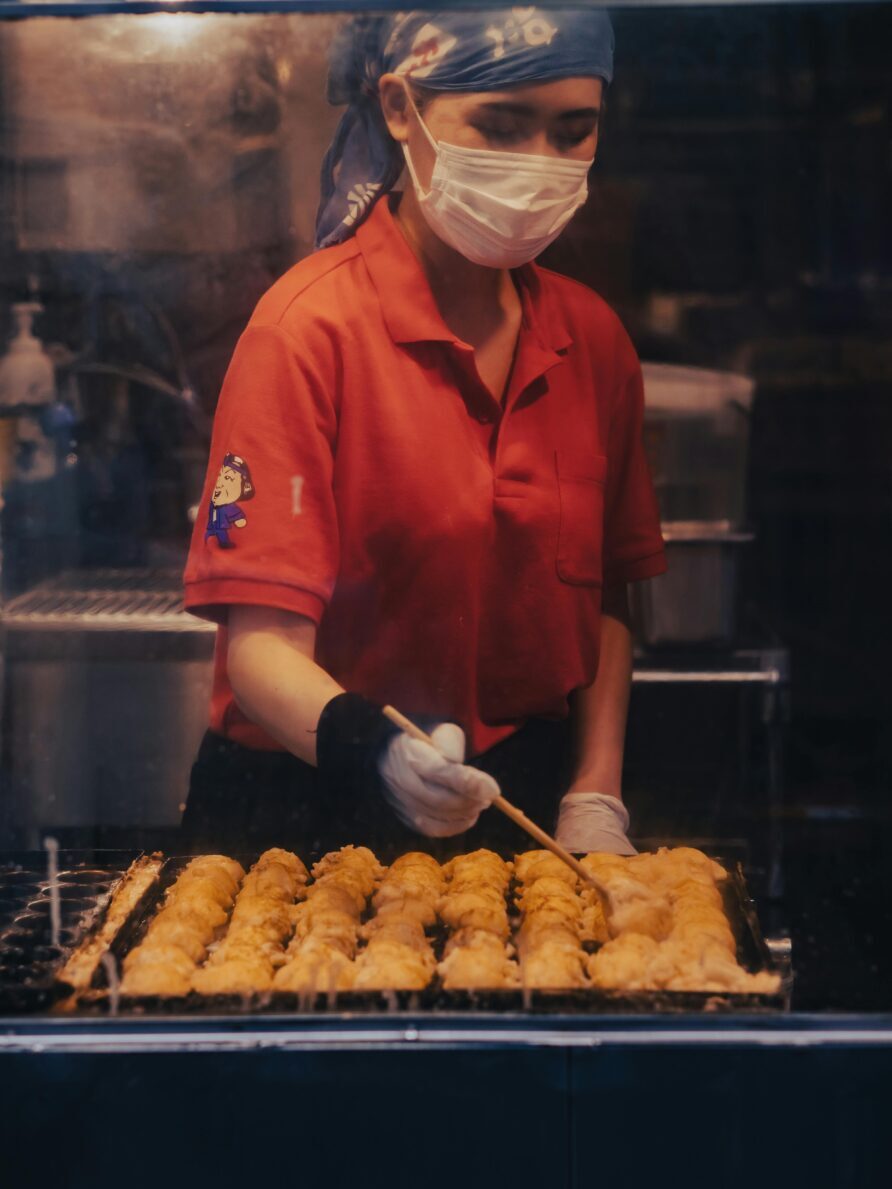
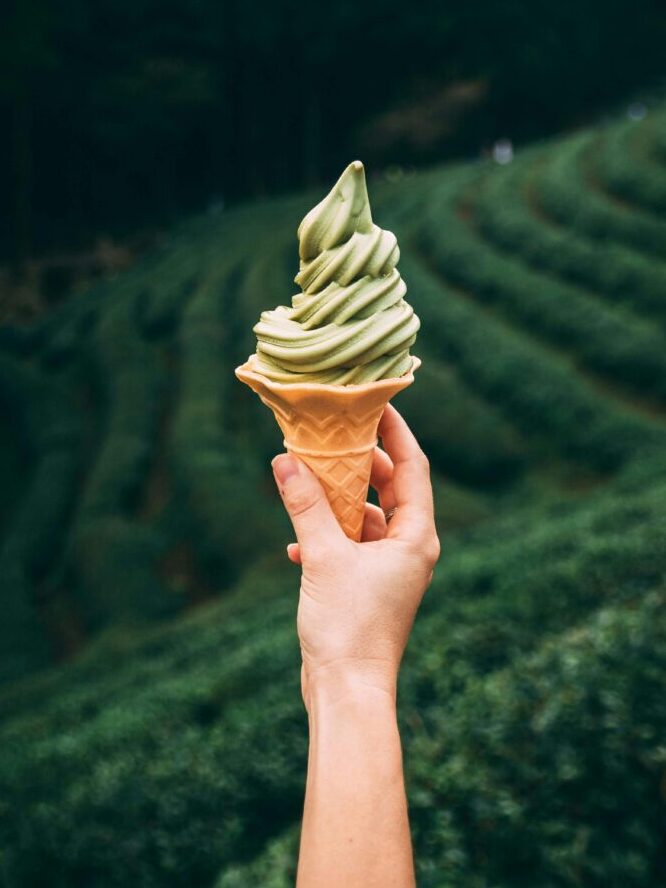
Many of these prefectures are agricultural and coastal producers — which means Kansai travel is also a delicious tour through Japan’s food traditions.
Best Seasons to Visit
Spring (March–May)
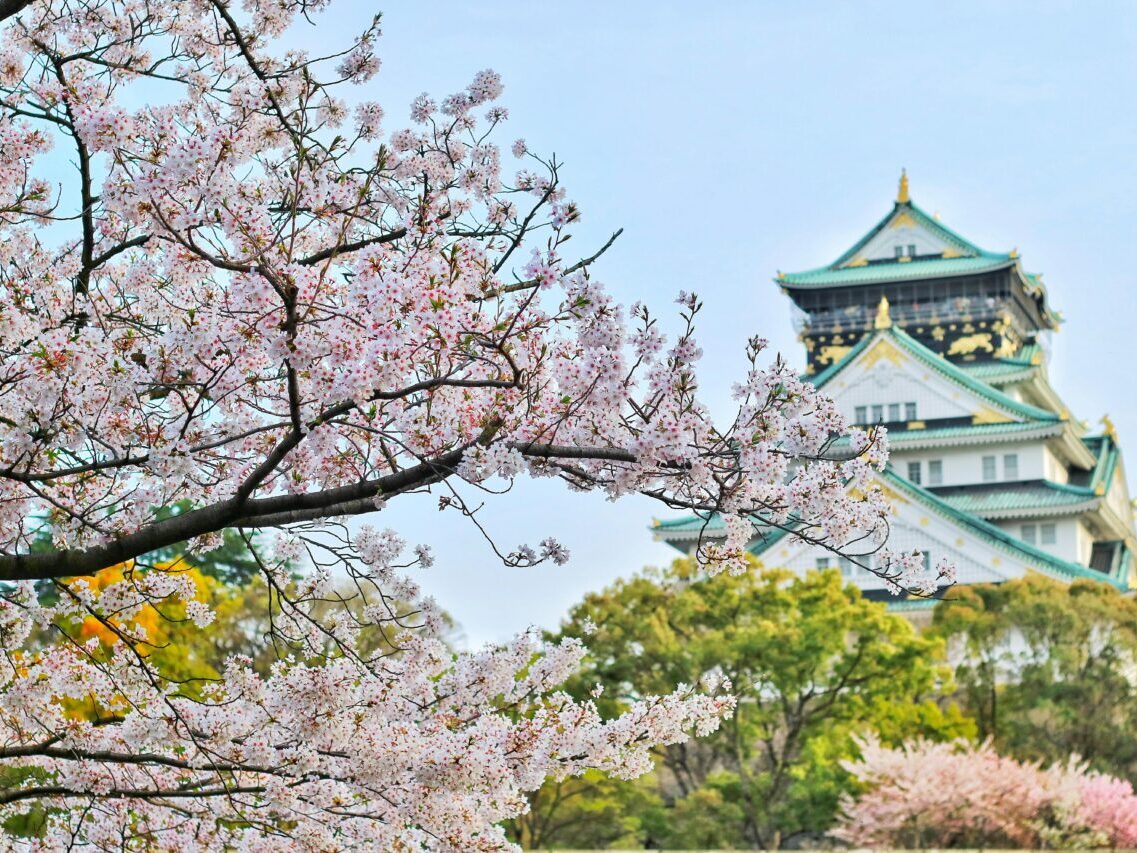
Cherry blossom (sakura) season in Kyoto and Osaka; one of the most popular times to visit.
Summer (June–August)
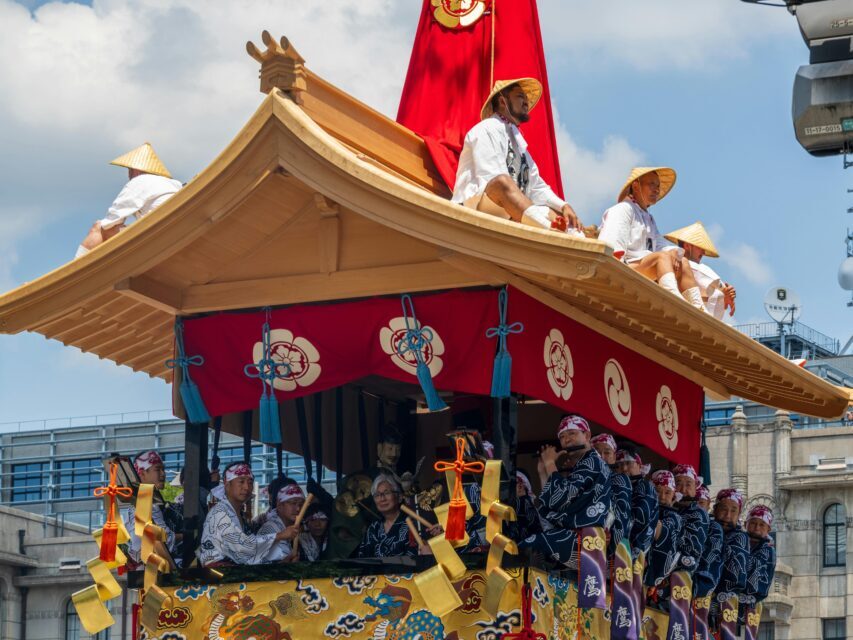
Lively festivals (matsuri) and river/beach escapes on the Kii Peninsula; expect heat and humidity.
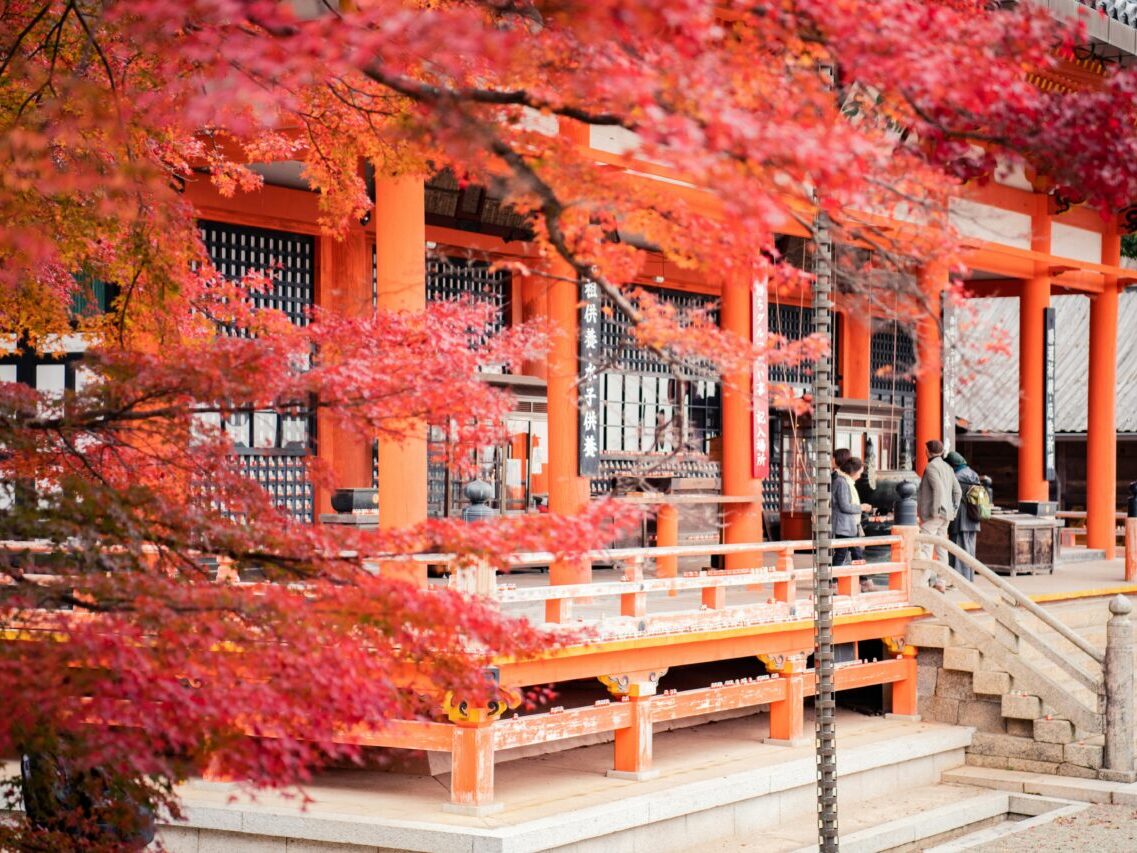
Autumn (September–November)
Brilliant koyo (autumn leaves) in temple gardens across Kyoto, Nara and the mountains.
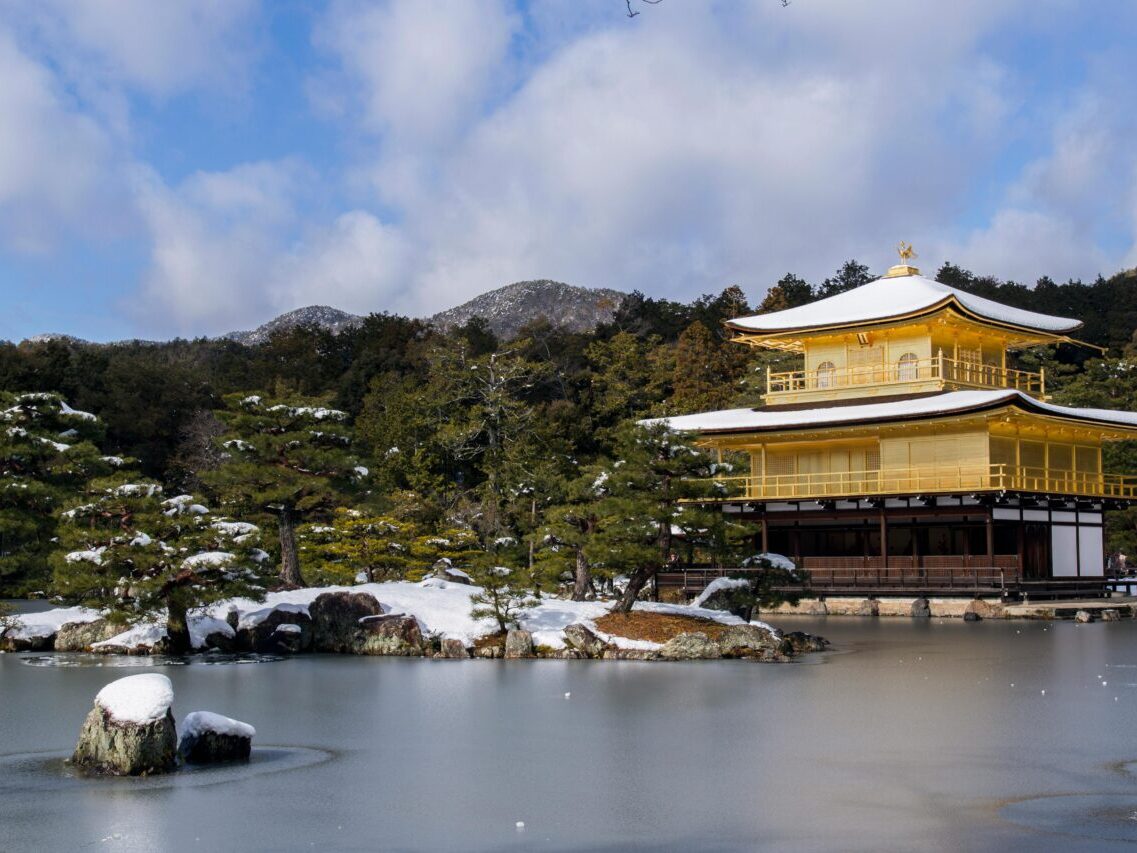
Winter (December–February)
Mild winters along the Seto Inland Sea; northern Kansai and Biwako Valley offer skiing and snowy mountain views.
If you’re planning for 2026 travel, spring and autumn are the classic “peak beauty” windows for Kyoto and Kansai’s cultural sites.
Scenic Roads (Perfect for a Self-Drive Roadtrip)
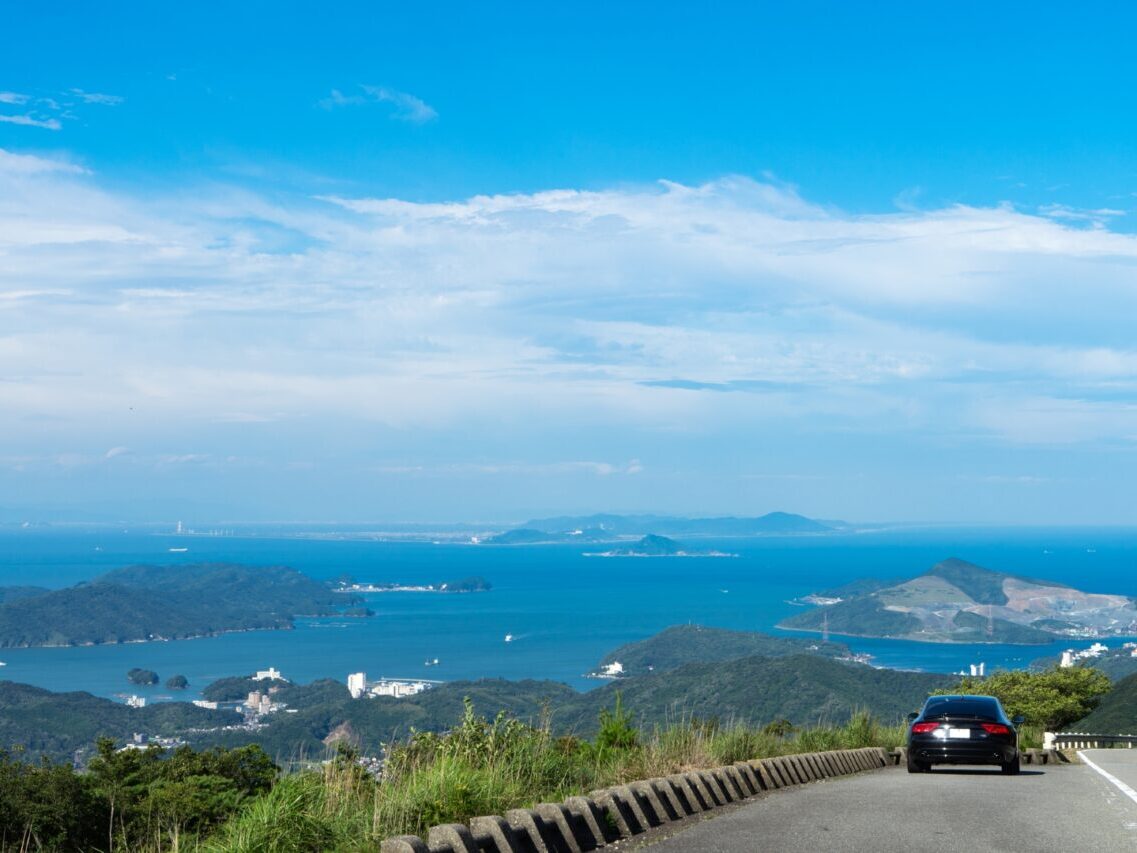
Kansai is ideal for self-drive exploration: a compact region with dramatic coastline, mountain passes and lakeside panoramas.
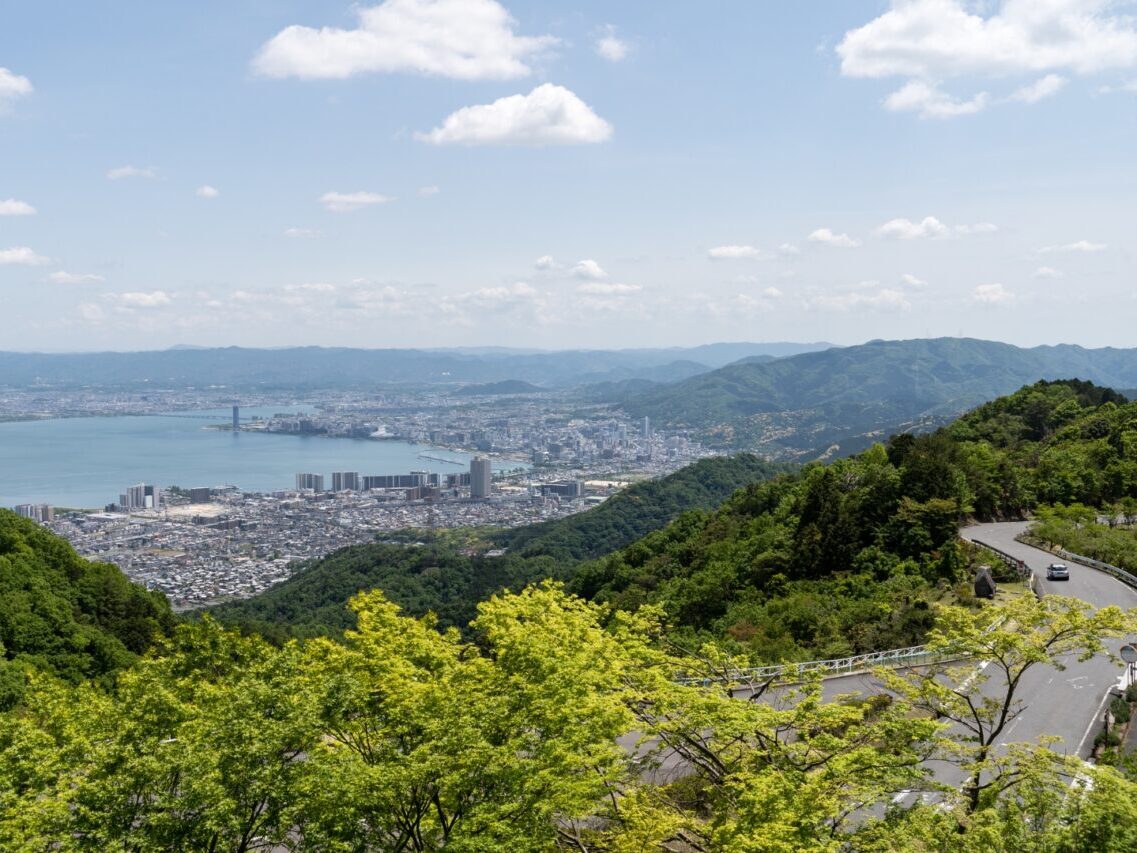
- Lake Biwa loop / Biwako drives (Shiga) — Drive parts of the lakeshore or climb to Biwako Valley for sweeping Lake Biwa views
- Kii Peninsula coastal routes (Wakayama / Mie) — Roads that trace the Kii Peninsula’s Pacific coast, giving you access to Kumano Kodo trailheads, coastal vistas and small fishing towns
- Ise Shima Skyline — “Sky drive” above Ise-Shima with bay panoramas
- Ibukiyama Driveway — Climb Mt. Ibuki for lake, mountain and sea views
- Hieizan Driveway — Lake Biwa outlooks and temple access on Mt. Hiei
- Kaochidani Valley Road — Gorge-framed valley drive through cliffs and forests
How to Get to Kansai
Kansai’s transport network is excellent and makes access easy for international and domestic travelers:
By Air
Kansai International Airport (KIX) is the main international gateway for Osaka–Kyoto–Kobe travel; the airport offers trains, buses, ferries and rental-car access to the Kansai region.
By Shinkansen/JR
Tokyo → Shin-Osaka via Tokaido Shinkansen (roughly 2.5 hours) makes Kansai easy to combine with Tokyo or other regions on a longer Japan trip.
Recommended Itineraries
Skip the complicated trip planning and instead explore Kansai with one of Drive Japan’s curated driving routes! These routes are all road-tested and are mapped out so you visit each destination at the right time of day, in the most efficient order, and make sure you don’t miss the hidden gems along the way.
- 4-Day Taste of Kansai: Osaka → Kobe/Arima → Kyoto → Nara → Osaka
- 8-Day Culture Conquest: Osaka → Wakayama/Mt. Koya → Shirahama → Kumano → Shima/Toba → Nara → Kyoto → Osaka
- 2 Week Ultimate Kansai Quest: Osaka → Wakayama/Mt. Koya → Shirahama → Kumano → Shima/Toba → Nara → Hikone → Kyoto → Kobe/Arima → Osaka
View all 40 of Drive Japan’s Kansai road trip itineraries here:
(filter by ‘Kansai’ under ‘Areas’)