
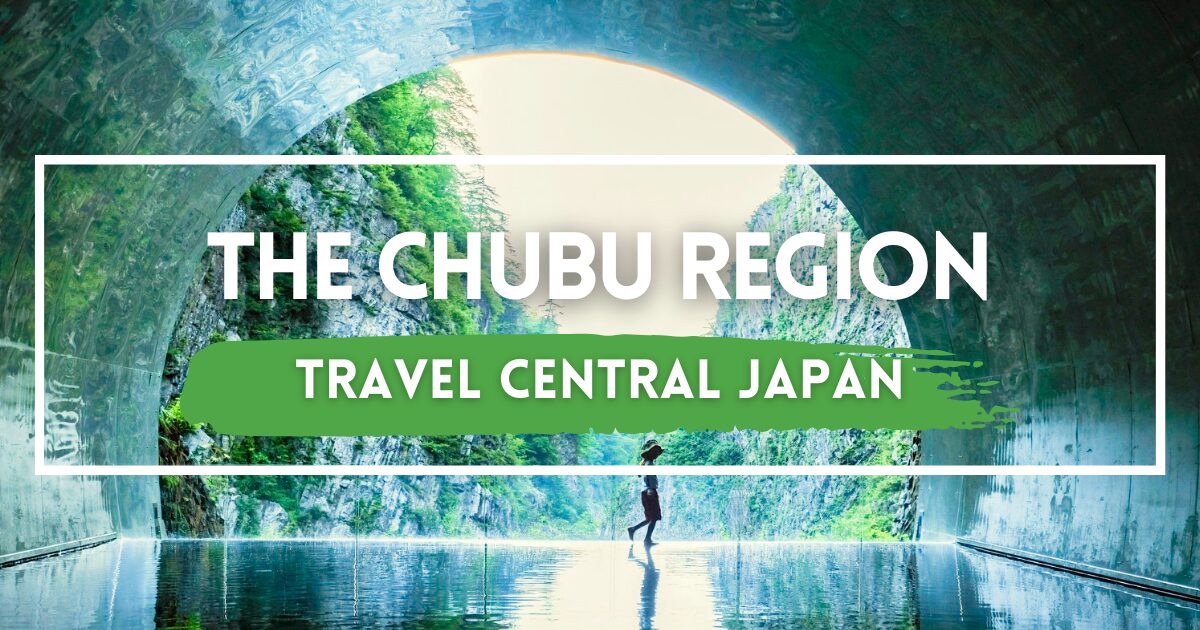
The Chūbu (Central) region of Japan sits like a spine down the middle of Honshū (Japan’s main island), where the sea and Japan’s mountains meet: snow-capped peaks of the Japanese Alps, Pacific and Sea of Japan coasts, historic towns and big urban centers such as Nagoya. From Niigata’s rice plains to Shizuoka’s views of Mt. Fuji and Toyama’s crystal waters, Chūbu is incredibly varied — a perfect playground for a self-drive roadtrip that mixes alpine passes, coastal panoramas, castle towns and coastal seafood.
Culture & History
Chūbu’s history sits between the political and cultural poles of Tokyo/Kantō and Kansai: samurai towns, Edo-era trade routes and silk and tea production shaped inland valleys while coastal ports traded rice, salt and crafts. The region contains well-preserved historical cores (for example Kanazawa and Takayama), UNESCO-recognized rural architecture in places like Shirakawa-go, and long-standing island cultures such as Sado Island off Niigata. These layers of history—agricultural, mercantile and feudal—are visible in festivals, museums and traditional industries across Chūbu.
What the Chubu Region Is Known For
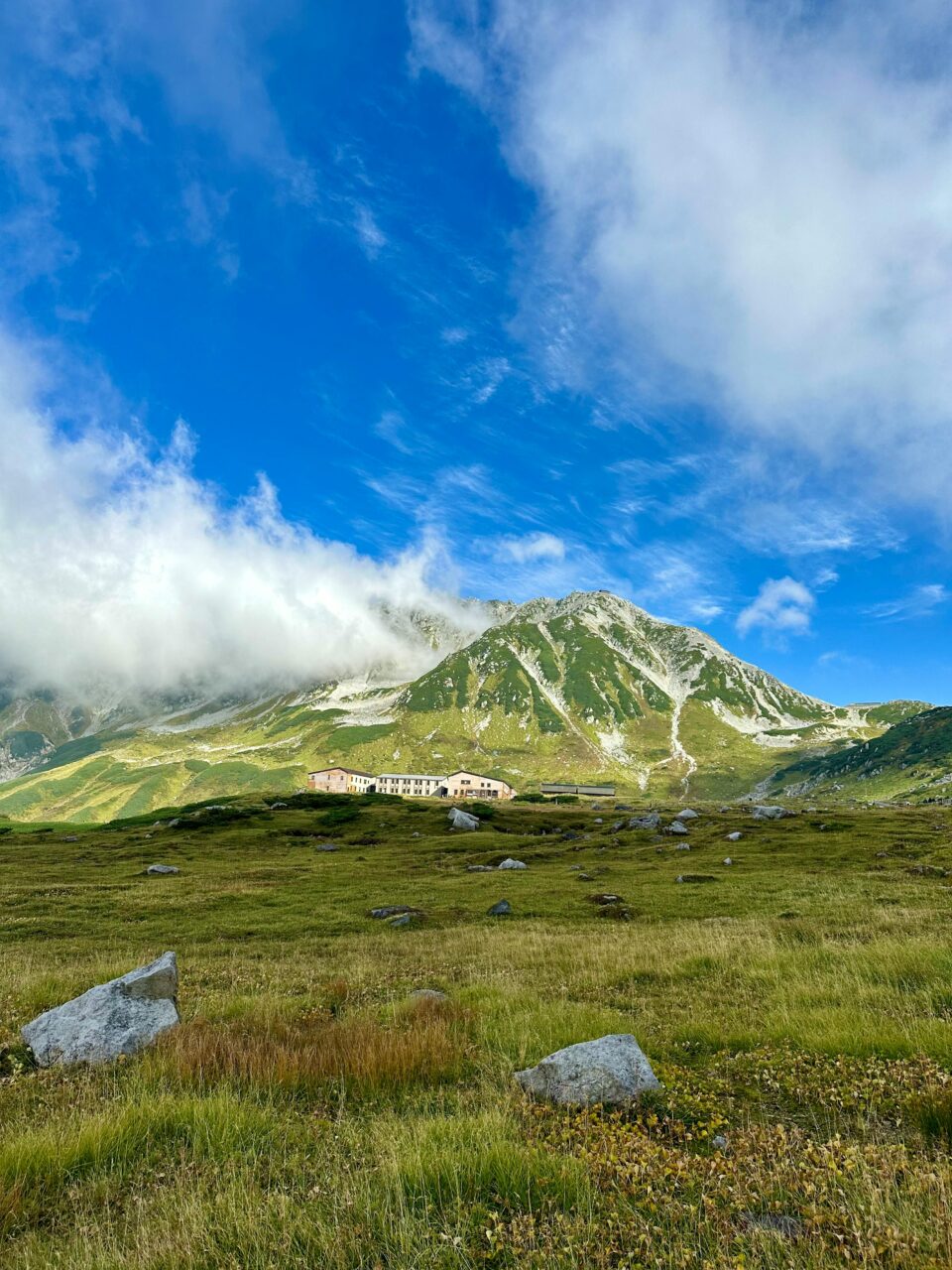
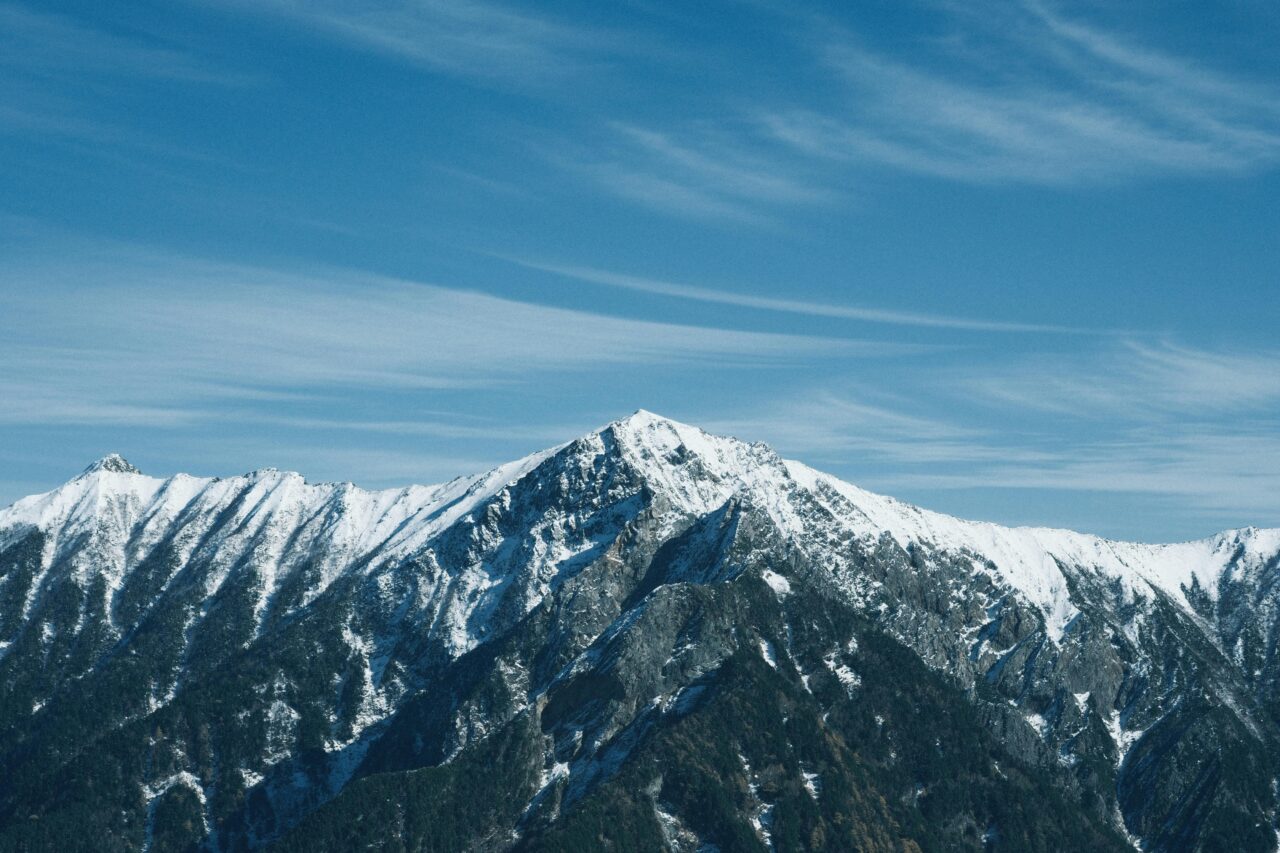
- The Japanese Alps — dramatic mountains for hiking, skiing and the famous Tateyama-Kurobe snow corridor.
- Mount Fuji & foothills (Shizuoka/Yamanashi) — iconic views and classic climbs.
- Hokuriku coast (Ishikawa, Fukui, Toyama) — seafood, Kanazawa’s gardens and coastal drives.
- Nagoya & Aichi — industrial and culinary center (Nagoya-meshi).
- Rice and sake culture — especially in Niigata, one of Japan’s most celebrated rice-growing prefectures.
- Gassho-zukuri-style houses — in Shirakawa-go, these iconic traditional houses have steep roofs to withstand the heavy snowfall in the region
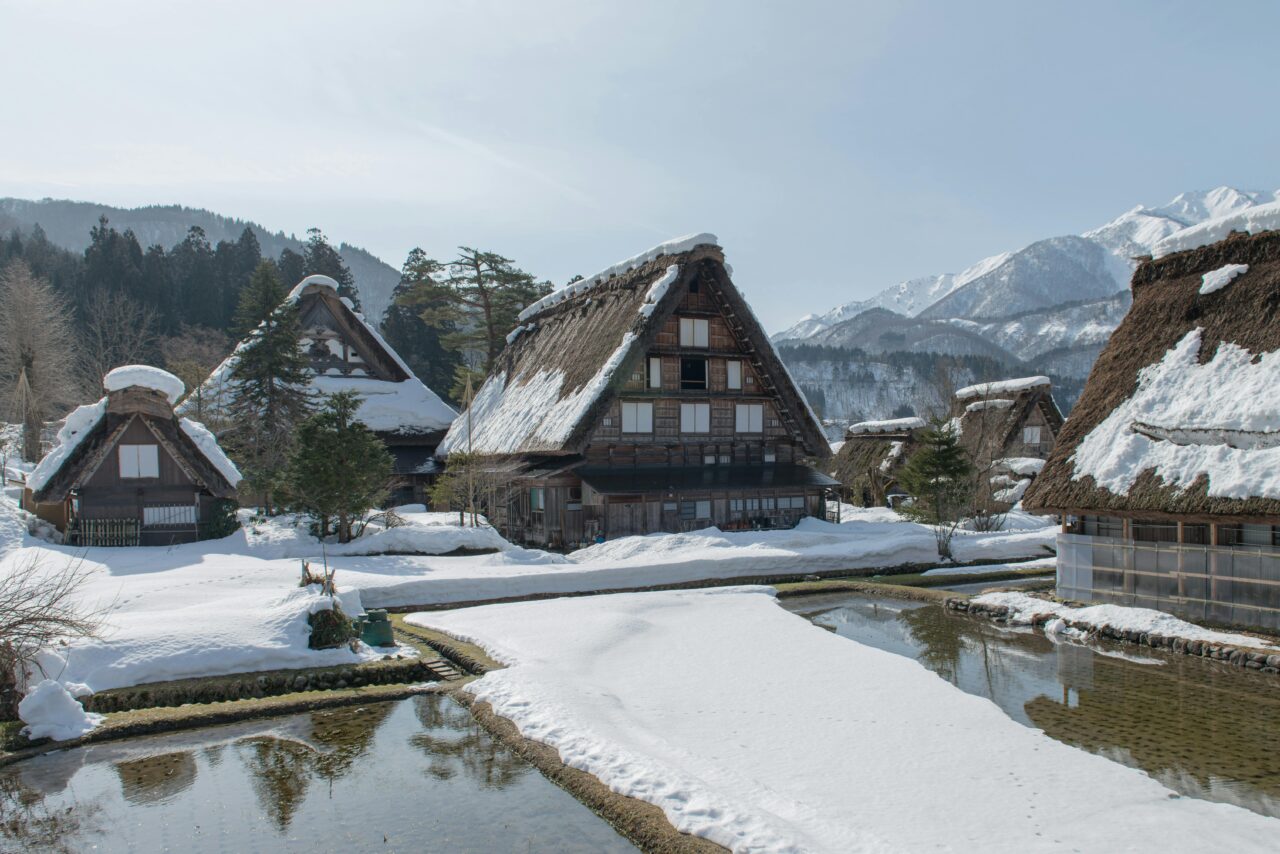
Traditional houses in Shirakawa-go
Top Attractions
- Tateyama-Kurobe Alpine Route — the alpine corridor with ropeways, trolleybuses and spring snow walls. A dramatic mountain crossing that feels like a journey through Japan’s high country.
- Shirakawa-go & Gokayama (Gifu/Toyama) — UNESCO gasshō-zukuri villages with steep thatched roofs, magical in winter.
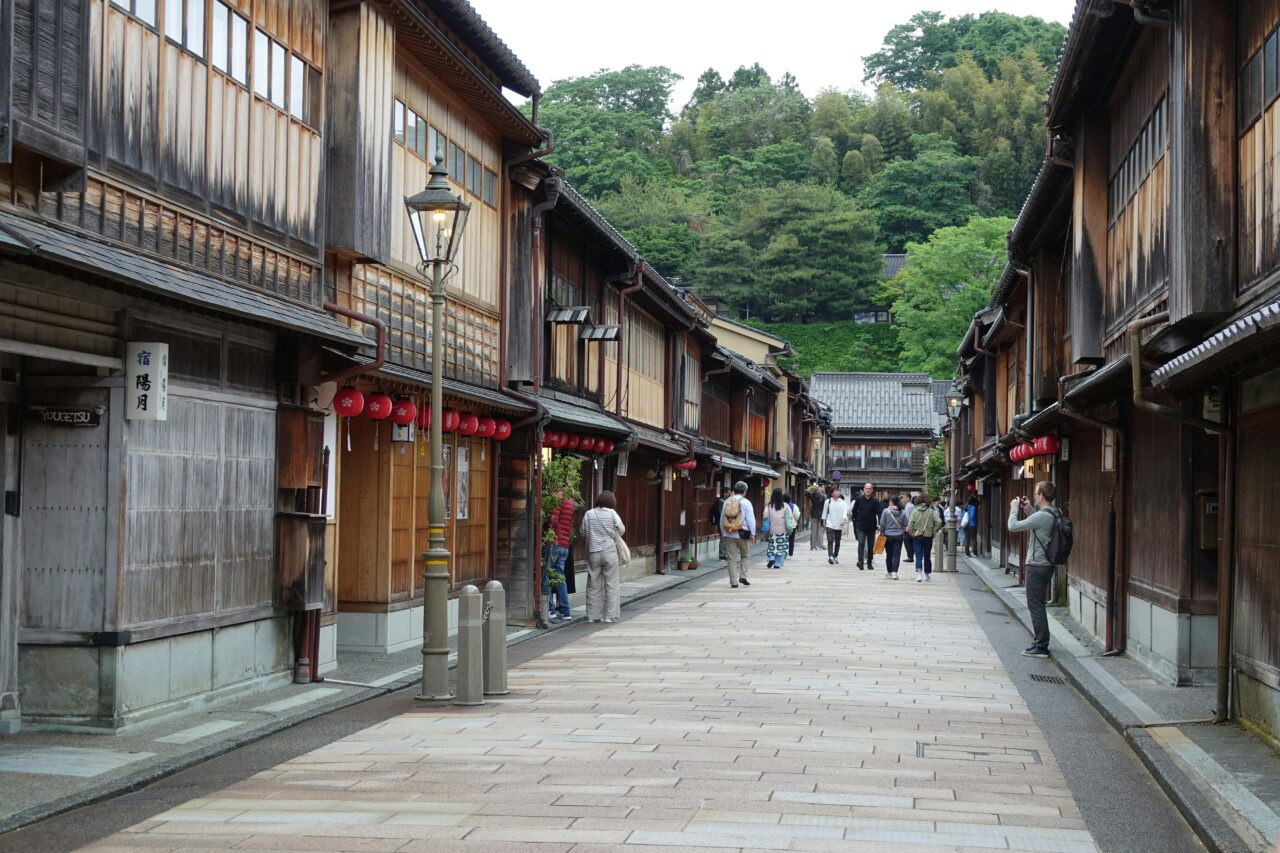
- Kanazawa (Ishikawa) — Kenrokuen garden, samurai and geisha districts, contemporary art museums.
- Matsumoto Castle (Nagano) — one of Japan’s premier original castles set against alpine views.
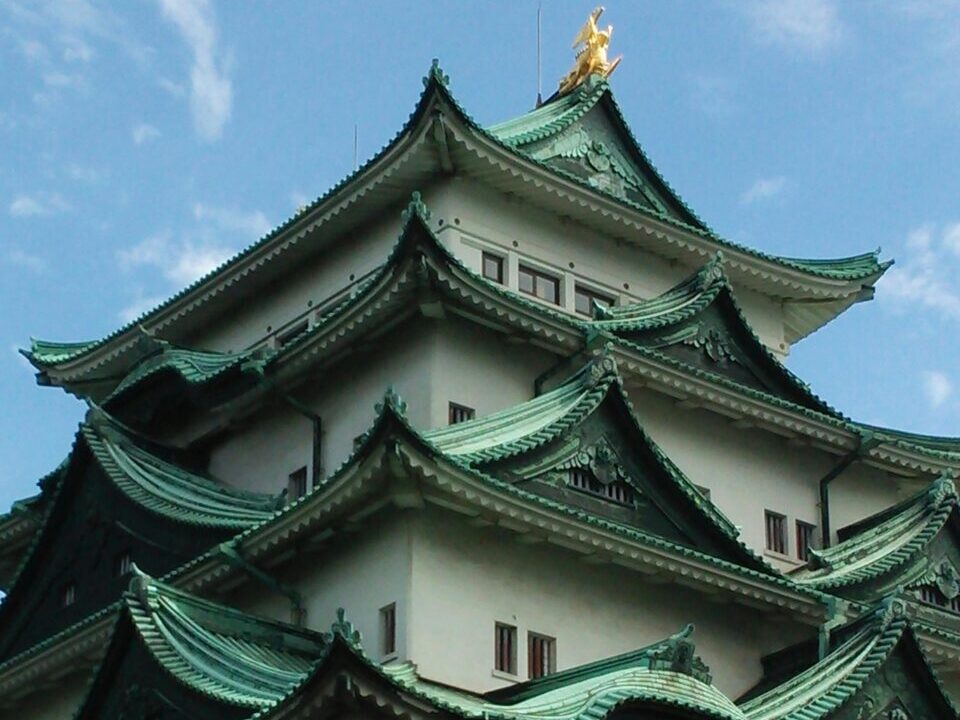
- Nagoya & Toyota areas (Aichi) — urban culture, castle, and the food scene of Nagoya (hitsumabushi, miso katsu).
- Sado Island (Niigata) — remote island history, taiko drumming heritage and coastal scenery.
Areas of the Chubu Region
Chūbu is often described in subregions that help plan a route:
- Hokuriku (Ishikawa, Fukui, Toyama) — Sea of Japan coast, Kanazawa, coastal drives and seafood.
- Kōshin-etsu (Nagano, Niigata, Yamanashi) — alpine valleys, ski resorts, rice plains, and access to Mt Fuji.
- Tōkai / Tokai (Aichi, Gifu, Shizuoka) — Nagoya, Mount Fuji’s southern approaches, and coastal plains.
Food, Agriculture & Local Specialties
Chūbu’s cuisine is shaped by mountains and sea, which each area offering its own specialty.
- Niigata: premium rice and sake
- Toyama and Ishikawa: excellent winter seafood from the Sea of Japan
- Nagoya: comfort-food, such as miso katsu, tebasaki, and hitsumabushi
- Gifu: hida beef
- Shizuoka: green tea
- Yamanashi: peaches & grapes
- Nagano: wasabi
Best Seasons to Visit
Spring (March–May)
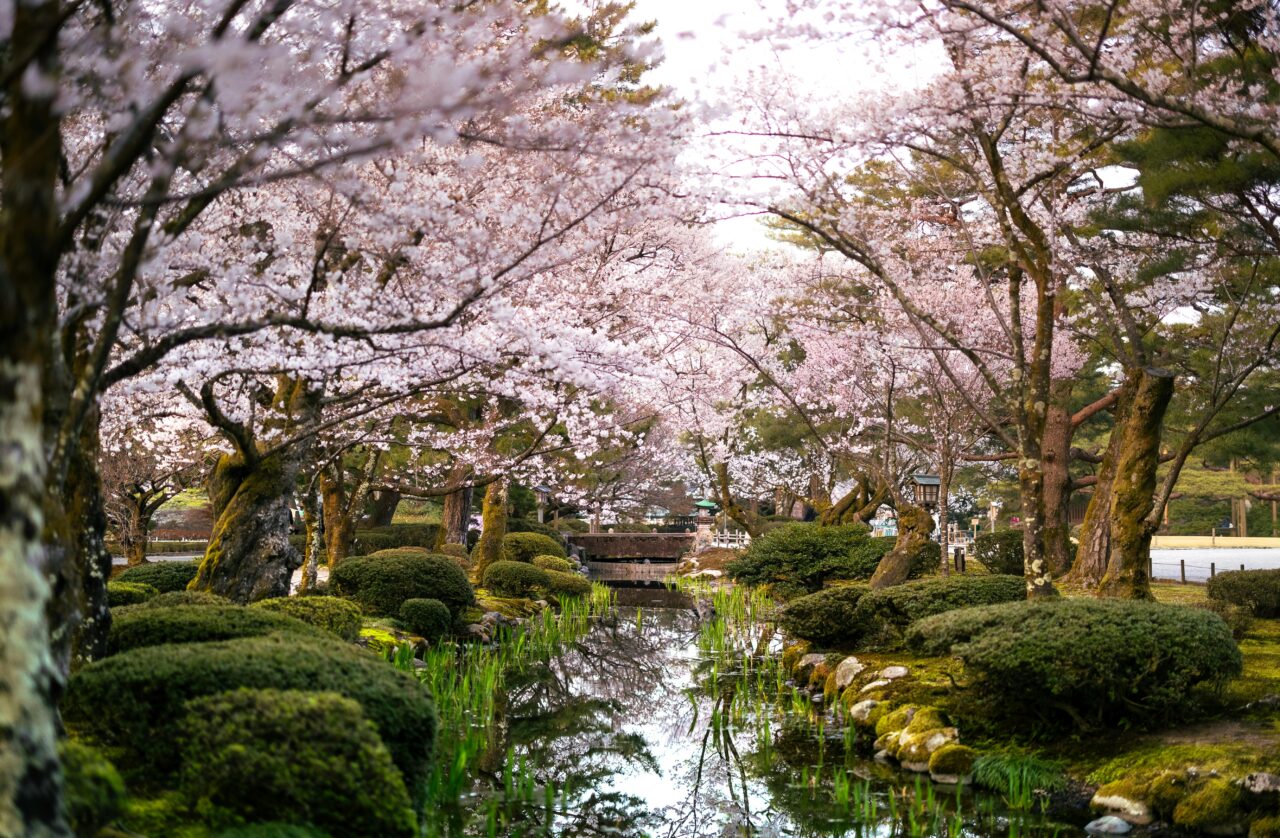
Lower elevations bloom with cherry trees; alpine snow corridors (Tateyama) open in late spring.
Summer (June–August)
Cool mountain escapes in Nagano/Toyama; festivals in towns like Takayama.

Autumn (September–November)
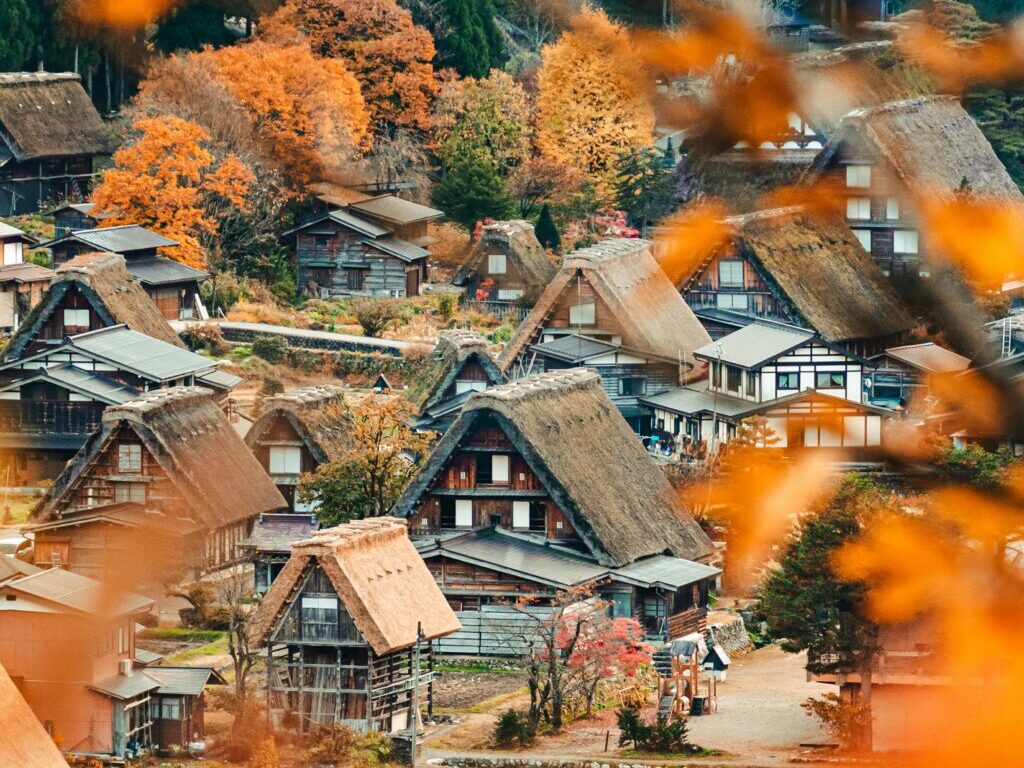
Spectacular alpine and valley colors; one of the greatest seasons for drives through the mountains.
Winter (December–February)
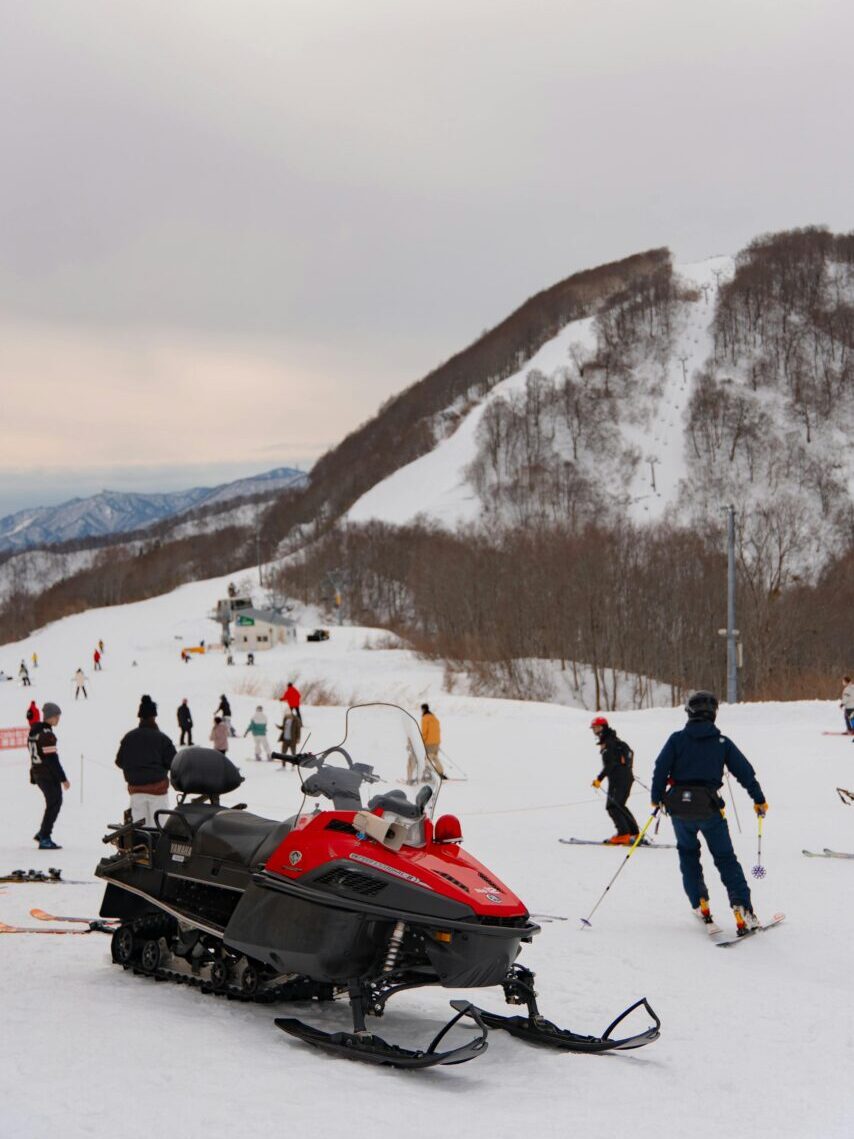
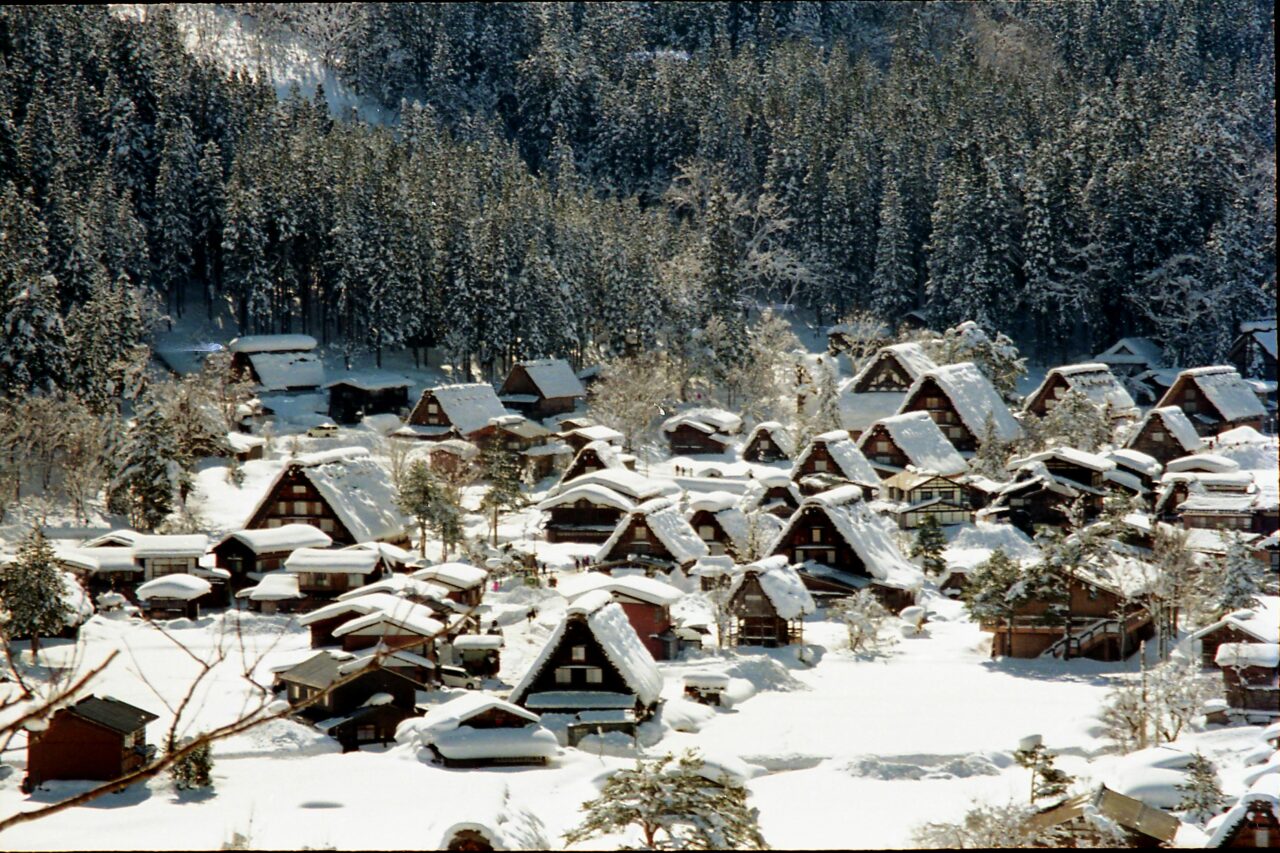
World-class snow in the Japanese Alps and Hokuriku coasts; Shirakawa-go in snow is a postcard scene. If you want winter scenery and snow festivals, plan for mountainous prefectures (Nagano, Gifu, Toyama).
Scenic Roads (Perfect for a Self-Drive Roadtrip)
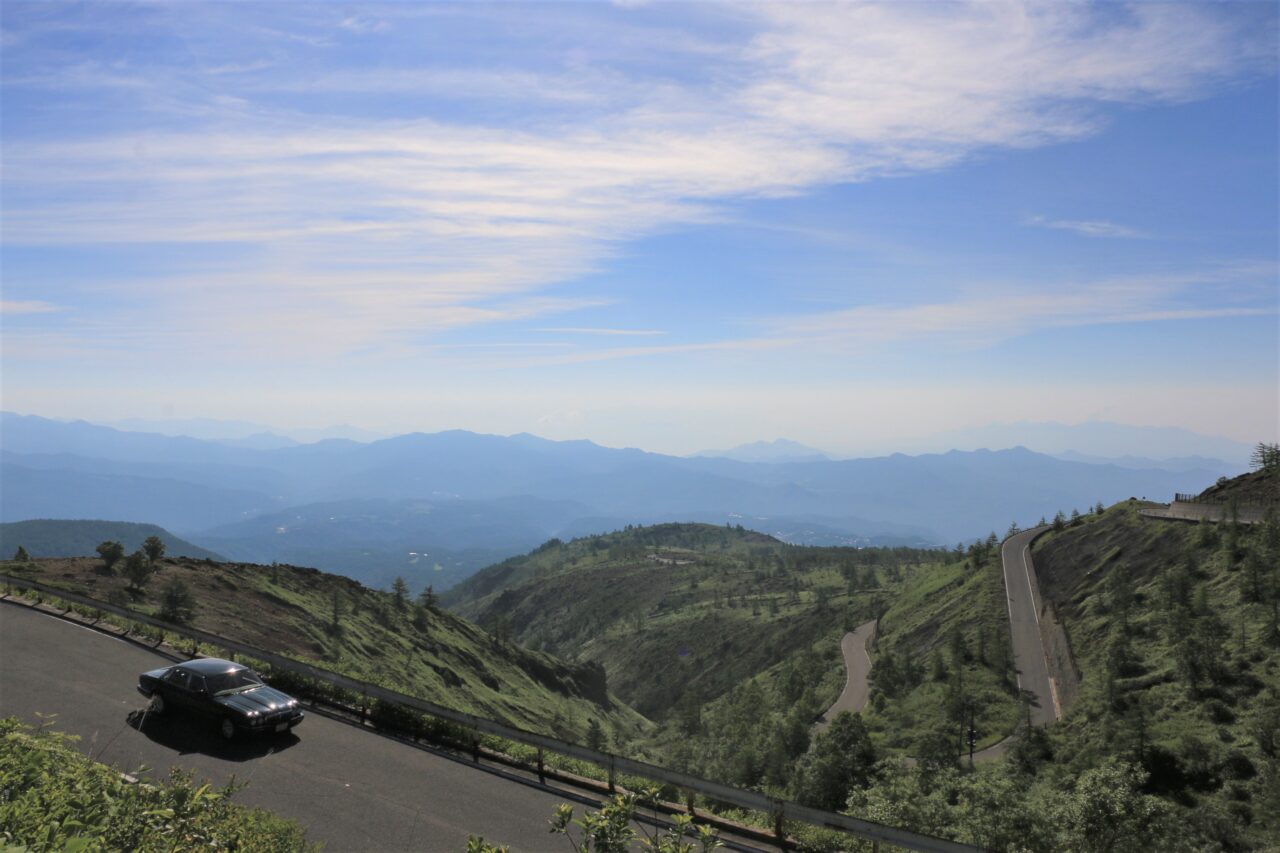
Chūbu rewards drivers with a wide range of routes — coastal boulevards, mountaintop passes and coastal peninsulas:
- Hietsukyo Gassho Line (Route 156) — Gorge road through traditional gasshō-zukuri villages
- Shiga Kusatsu Road (Route 292) — Japan’s highest national highway over alpine terrain
- Izu Skyline & Izu coastal roads (Shizuoka) — dramatic coastal views and Fuji panoramas on clear days.
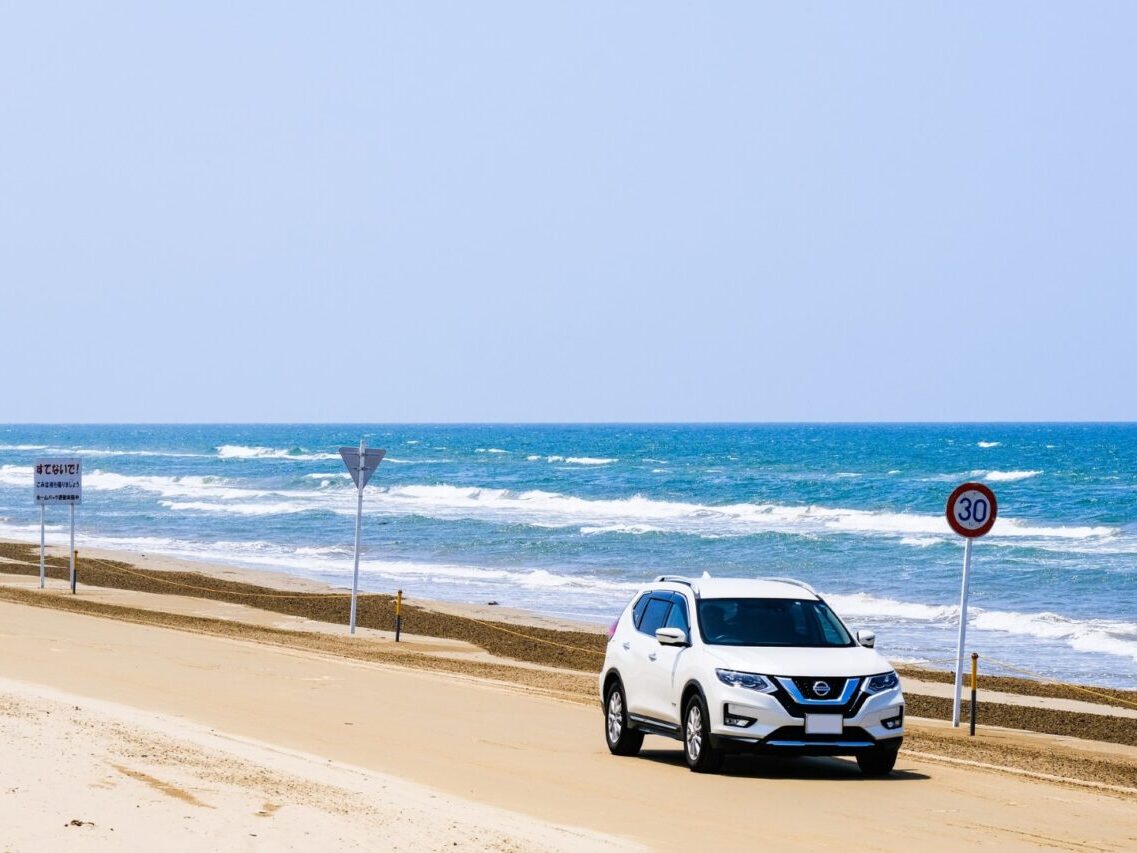
- Chirihama Nagisa Driveway (Ishikawa) — a rare seaside stretch you can actually drive on along the Sea of Japan coast.
How to Get to Chubu/Central Japan
From Tokyo
Chūbu is easily reached by shinkansen, express train or by car; Tokai highways and national routes link Tokyo to Yamanashi/Shizuoka and Nagano. Many roadtrips begin in Tokyo and head west into the Alps or southwest toward Nagoya.
By Air
Regional airports (e.g., Toyama, Niigata, Chubu Centrair near Nagoya) give access for drivers who want to pick up a rental car and start exploring.
By Shinkansen/JR
Popular approach: train to a gateway city (Nagoya, Kanazawa, Toyama, Matsumoto, Niigata), then rent a car for scenic legs where public transport is thin. This hybrid approach keeps long transfers efficient while freeing you to explore national parks, alpine passes and coastal roads at your own pace.
How to Get to Chubu/Central Japan
Recommended Itineraries
Skip the complicated trip planning and instead explore Chubu (Central Japan) with one of Drive Japan’s curated driving routes! These routes are all road-tested and are mapped out so you visit each destination at the right time of day, in the most efficient order, and make sure you don’t miss the hidden gems along the way.
- 4-Day Chubu Sprint: Nagoya → Takayama → Matsumoto → Nagoya
- A Week of Chubu in the Fast Lane: Nagoya → Takayama → Kanazawa → Toyama → Nagano → Matsumoto → Nagoya
- 13 Days of Chubu Culture: Nagoya → Gero → Takayama → Kanazawa → Wakura → Toyama → Nagano → Kusatsu → Karuizawa → Matsumoto → Nagoya
View all 29 of Drive Japan’s Central Japan road trip itineraries here:
Chubu/Central Japan Itineraries
(filter by ‘Central Japan’ under ‘Areas’)