
The Kanto region is the energetic center of Japan, home to Tokyo, Yokohama, and a collection of prefectures that blend modern city life with traditional landscapes. Located on Japan’s main island of Honshu, the region includes everything from national parks and mountain scenery to charming towns, onsen resorts, and islands such as the remote Ogasawara chain. For travelers planning a self-drive trip, Kanto offers a surprisingly diverse range of routes—sprawling cities, serene countryside, dramatic peninsula coastlines, and historic sites like Nikko, Kamakura, and Hakone all within a few hours of each other.
Culture & History
As the political heart of Japan, Kanto has shaped the nation’s history from the Edo period to the modern era. Tokyo, once known as Edo, served as the seat of the Tokugawa shogunate and grew into the largest city in the country. The region’s heritage can be felt in Asakusa, ancient shrines, the grand Imperial Palace, and the preserved merchant town of Kawagoe. In contrast, cities like Yokohama and Kawasaki showcase Japan’s international influences, technological progress, and dynamic science culture.
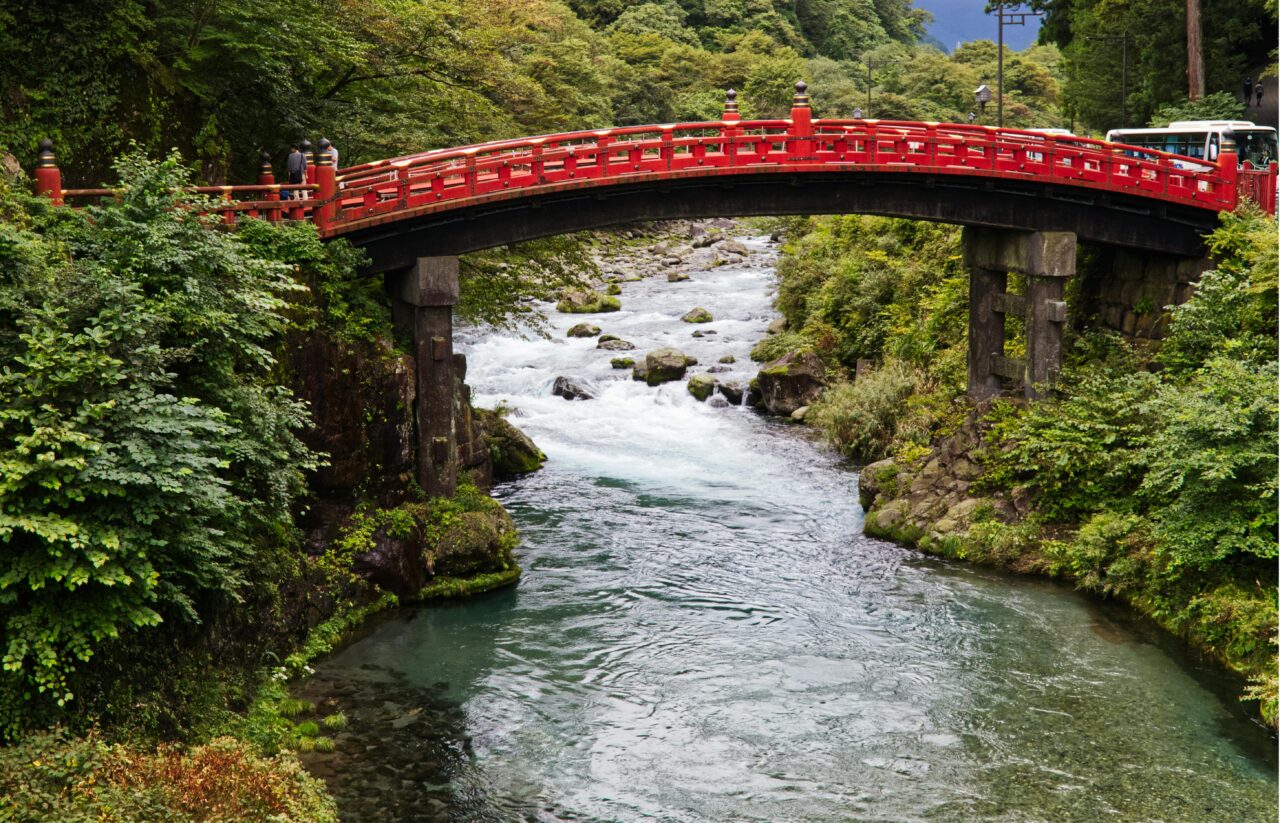
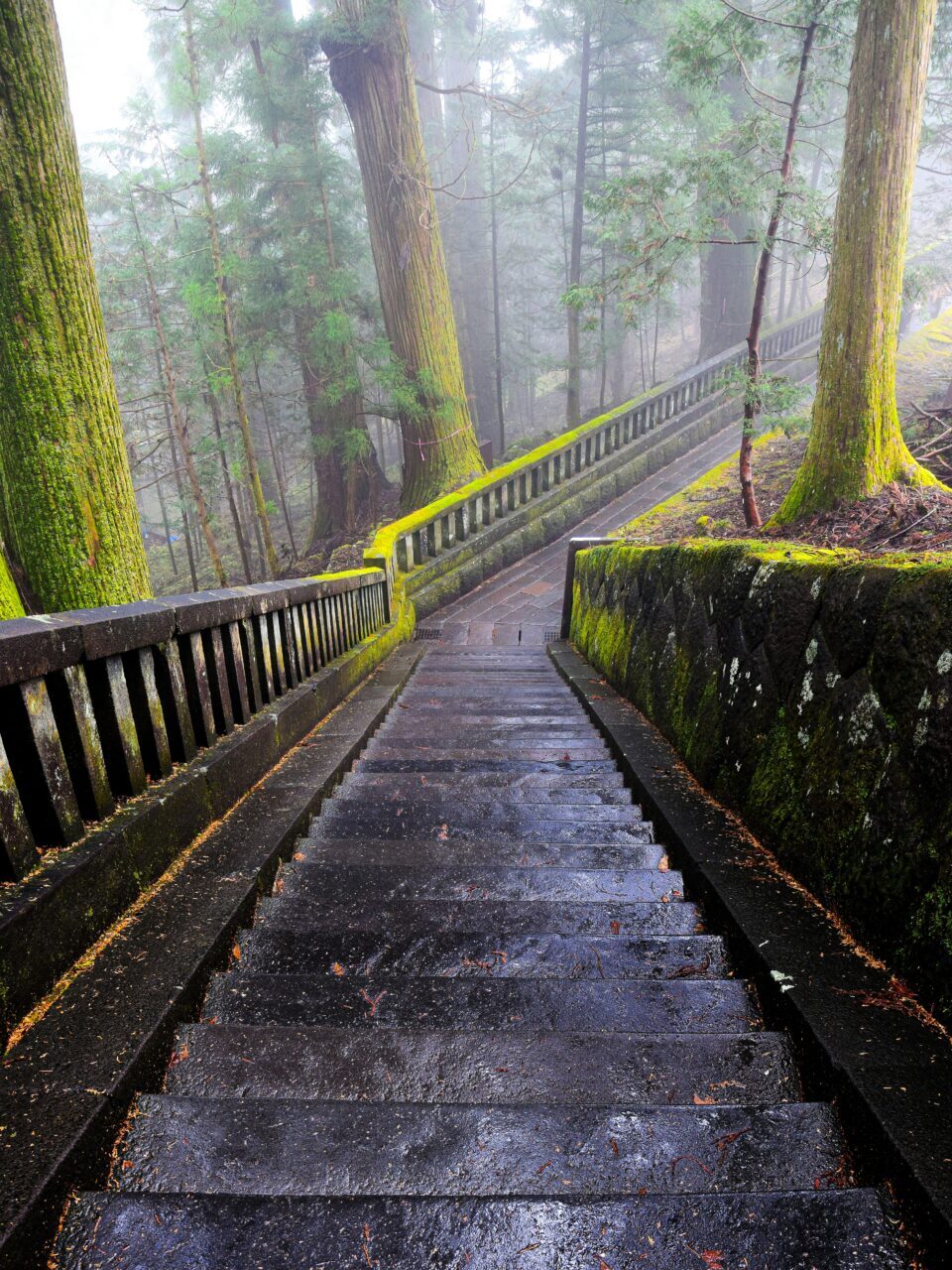
Further north, Nikko preserves UNESCO-listed Toshogu Shrine, one of the most ornate structures in Japan’s history, surrounded by deep nature and mountains. To the west, Hakone and Odawara echo the traditions of travelers along the old Tokaido Road, leading toward Kyoto, Nara, and Kansai. This blend of historic and modern experiences defines the spirit of the Kanto region.
What the Kanto Region Is Known For
- Tokyo, a global city known for anime, fashion from Harajuku, cultural districts, and vibrant night life.
- World-class destinations like Yokohama, Kamakura, Hakone, and Nikko.
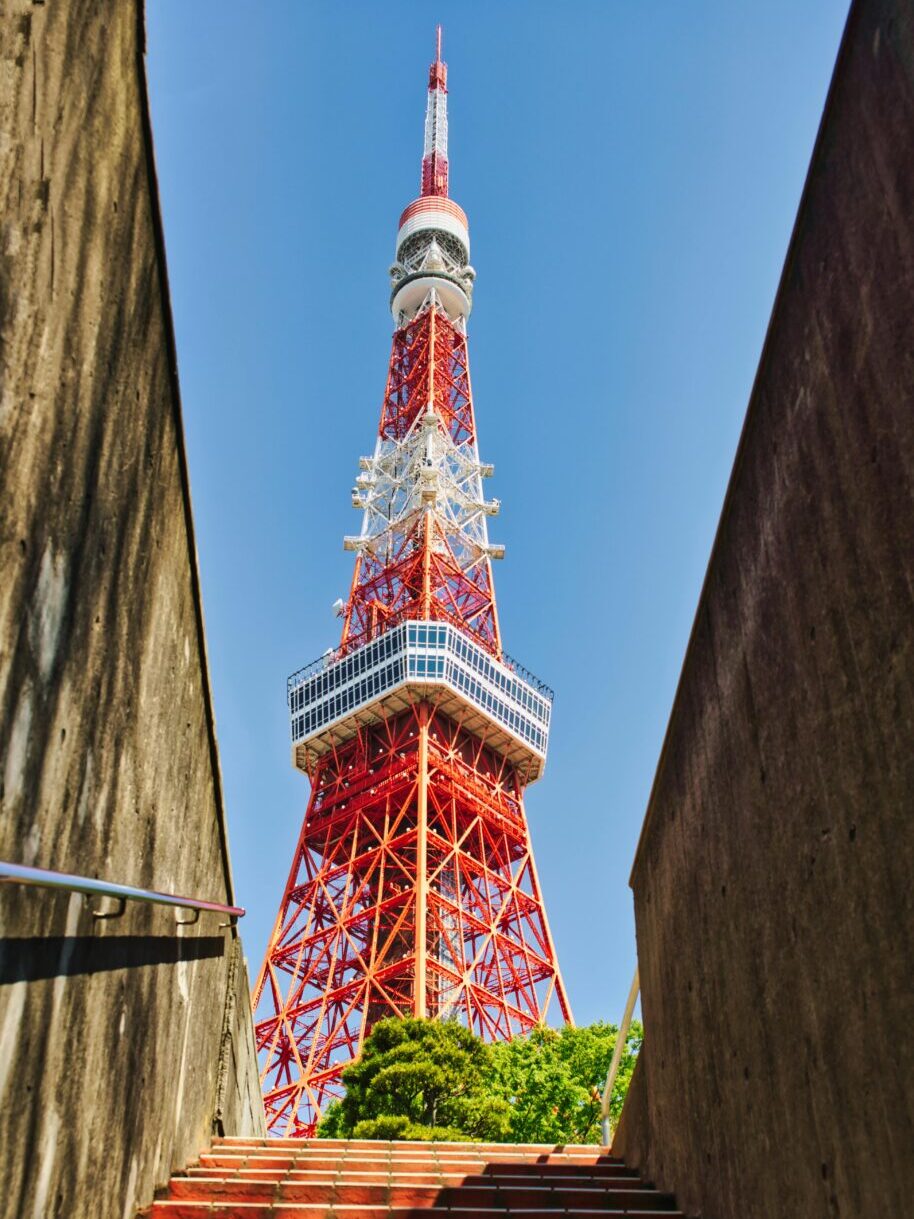
- A unique mix of traditional architecture and towering modern skylines, such as Tokyo Tower and Skytree.
- Relaxing onsen like Kusatsu (Gunma) and coastal getaways on the Izu Peninsula and Chiba’s beaches.
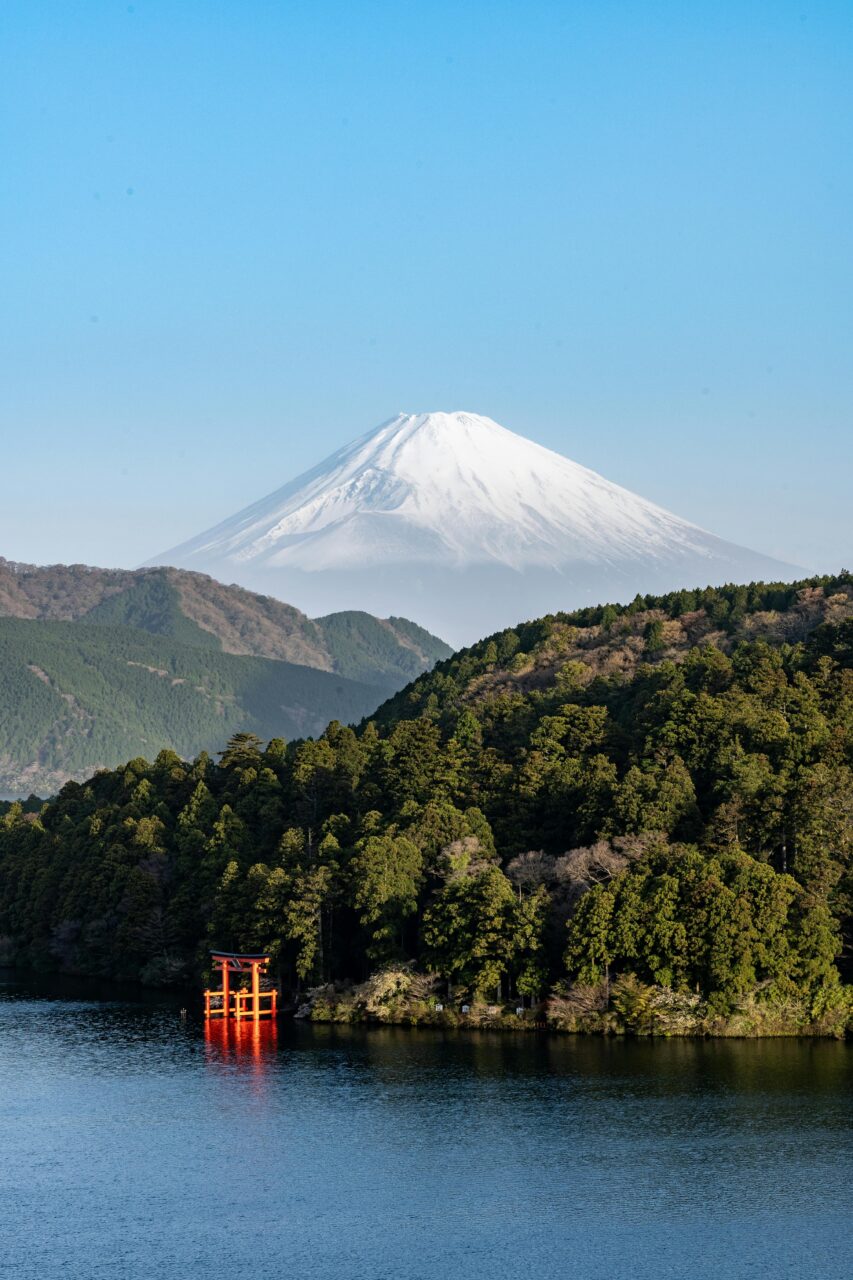
- Natural landscapes including Mt. Fuji views, national parks, rural towns, lush mountains, and seasonal flowers.
- Easy access to Japan’s other region— Tohoku to the North, Kansai to the West, Shikoku, Kyushu, and even Okinawa via domestic flights.
Top Attractions
- Tokyo: Asakusa, Sensō-ji, Shibuya, Harajuku, TeamLab Tokyo, Ueno Park, the Imperial Palace, Akihabara, Odaiba, and world-famous views from Skytree or Tokyo Tower.
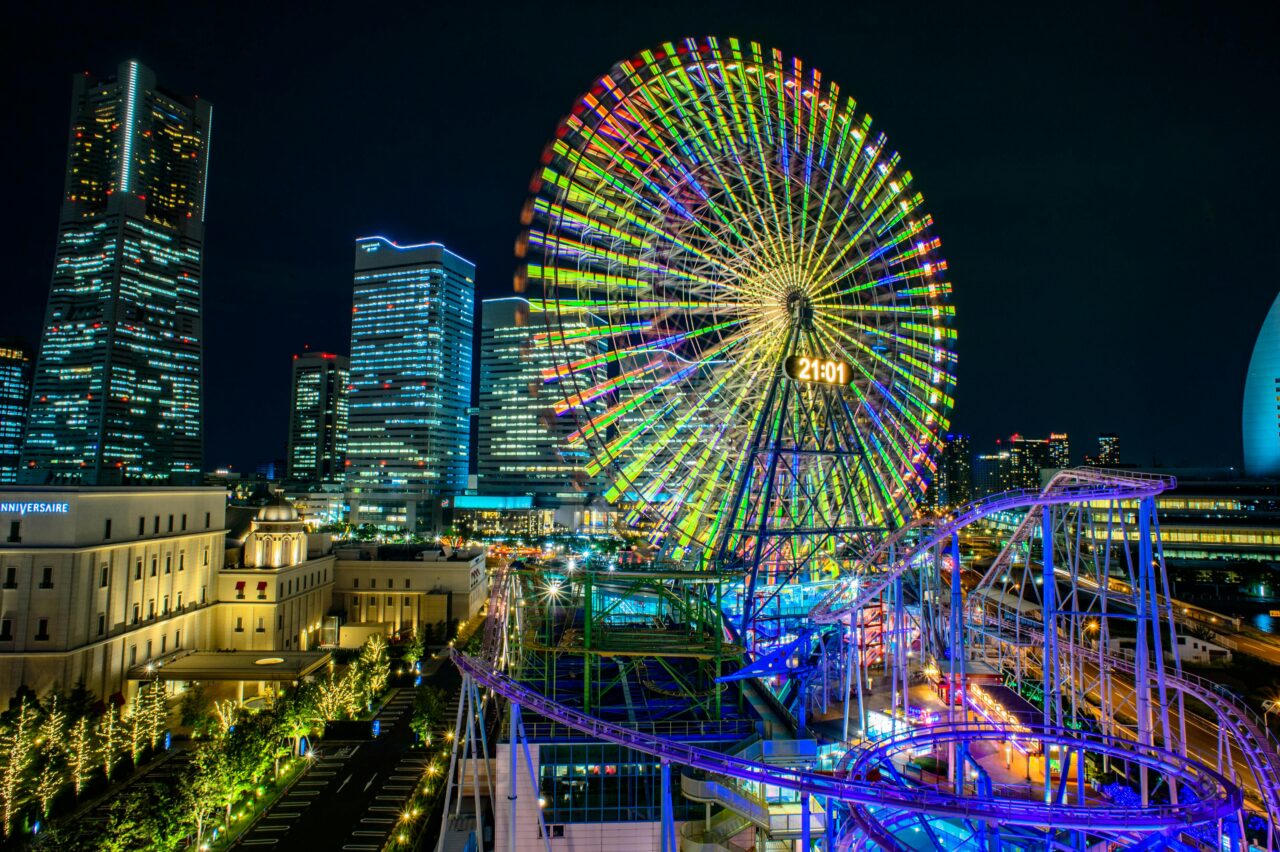
- Yokohama (Kanagawa): Minato Mirai, Chinatown, Cup Noodles Museum, bay views, and the Red Brick Warehouse.
- Kamakura: Great Buddha, coastal temples, shrine paths, and mount hikes.
- Hakone: Lakes, onsen, art museums, and spectacular Mt. Fuji scenery.
- Nikko (Tochigi): Toshogu Shrine, national park, waterfalls, and mountain roads in North Kanto.
- Chichibu (Saitama): Rural culture, festivals, natural gorges, and sacred sites.
- Kusatsu Onsen (Gunma): One of Japan’s most famous hot springs.
- Ibaraki: Hitachi Seaside Park, Kairakuen Garden, and coastal experiences.
- Chiba: Narita Airport, beaches, Sawara Town, and the Tokyo Disney Resort.
- Ogasawara Islands (Tokyo): A remote destination known for wildlife, ocean activities, and dramatic nature.
Areas of the Kanto Region
Kanto is made up of seven prefectures plus multiple islands, each offering distinct travel experiences:
- Tokyo Prefecture – The capital of Japan; a large and diverse area with countless cultural, modern, and historic sites.
- Kanagawa Prefecture – Includes Yokohama, Kamakura, Hakone, and coastal cities along the west and south.
- Chiba Prefecture – Known for Narita, Boso Peninsula, rural towns, surfing beaches, and Tokyo Bay attractions.
- Saitama Prefecture – Features Kawagoe, Chichibu, and scenic mountain areas.
- Gunma Prefecture – Home to Kusatsu Onsen, mount ranges, natural parks, and hot springs.
- Ibaraki Prefecture – Agriculture, seaside parks, and small towns.
- Tochigi Prefecture – Famous for Nikko, national heritage, and rugged highland nature.
- Izu & Ogasawara Islands – Tropical islands, whale watching, volcanic landscapes, and remote destinations.
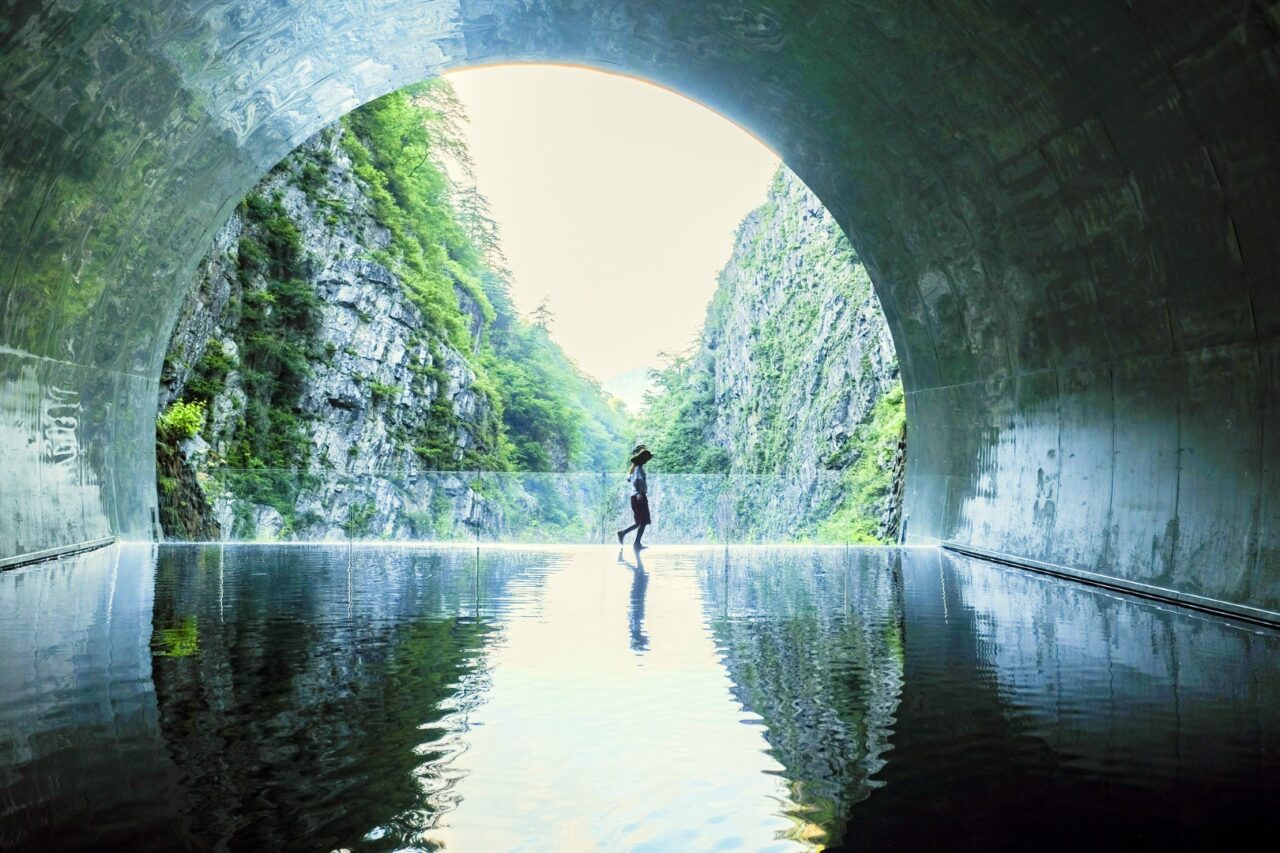
- Niigata – Ski resorts, national parks, and hot springs (onsen).
-草津温泉湯畑観光駐車場-pHCiZwld.jpg)
Food, Agriculture & Local Specialties
The Kanto region offers a wide array of food traditions shaped by both rural and city life:
- Tokyo: Monja (a runny savory pancake, lime okonomiyaki but messier), chanko (a stew traditionally eaten by sumo wrestlers), fresh sushi from Tsukiji Market
- Kanagawa: Yokohama Chinese dishes and Kamakura white-bait (small white fish).
- Chiba: Peanuts and soy sauce breweries.
- Gunma: Konjac (konnyaku; a savory, firm jelly made from a root vegetable), udon, dairy products from highland towns.
- Saitama: Kawagoe sweet potatoes, festival snacks, and sake.
- Tochigi: Gyoza from Utsunomiya, strawberries, and rural produce.
- Ibaraki: Natto (fermented soybeans), melons, and ocean specialties.
- Niigata: The best rice in Japan (koshihikari) and sake (made from the rice).
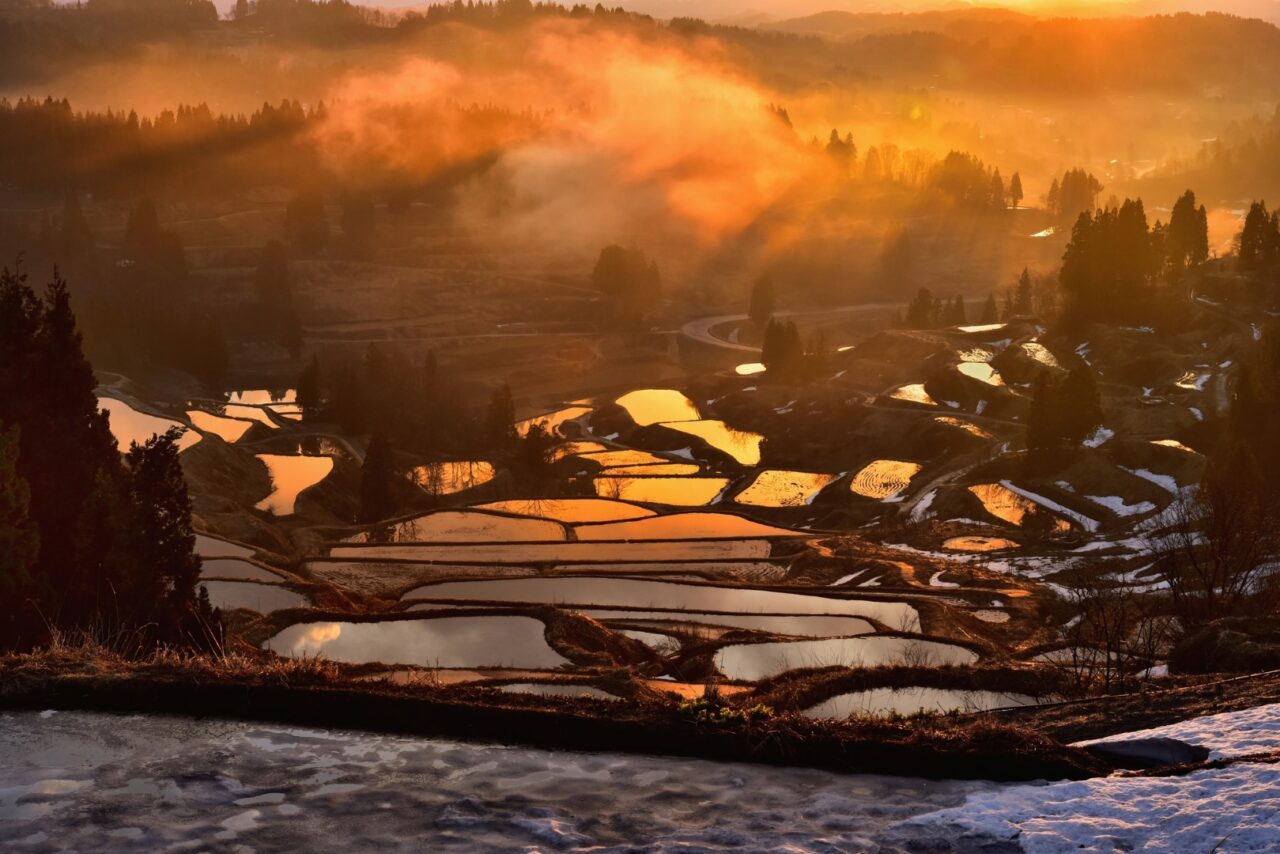
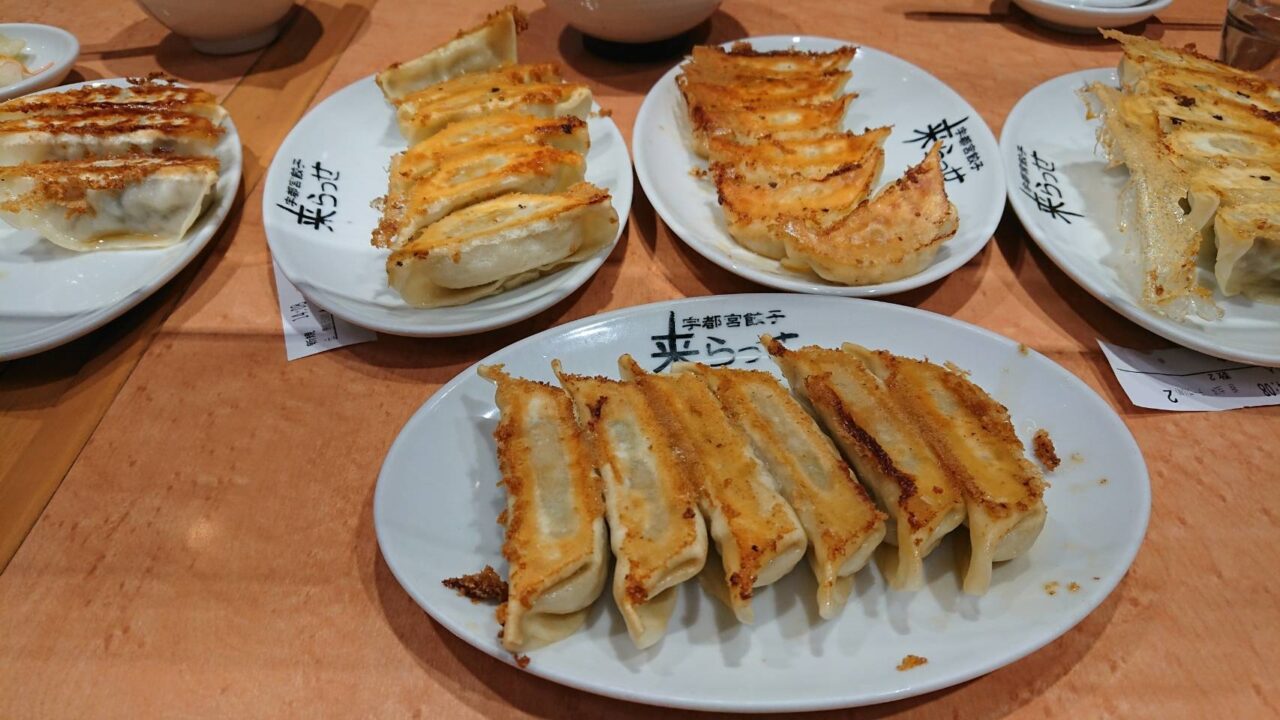
The agricultural diversity of Kanto reflects its varied geography—from mountains to fertile plains and coastal zones.
Best Seasons to Visit
Spring (March–May)
Cherry blossoms across Tokyo, Kawagoe, Nikko, and Chichibu, plus mild weather ideal for travel.
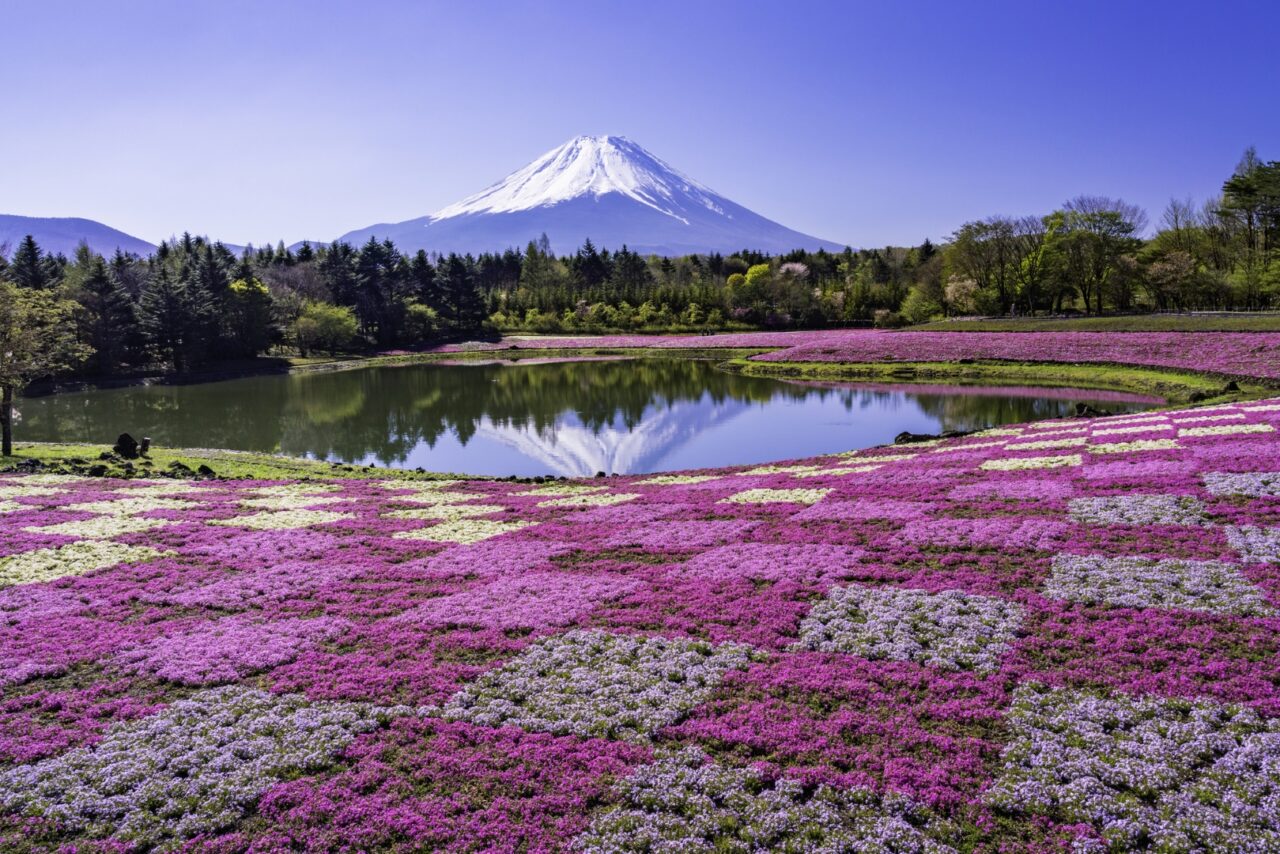
Summer (June–August)
Lively festivals, island adventures, coastal drives, and night fireworks around Tokyo Bay.
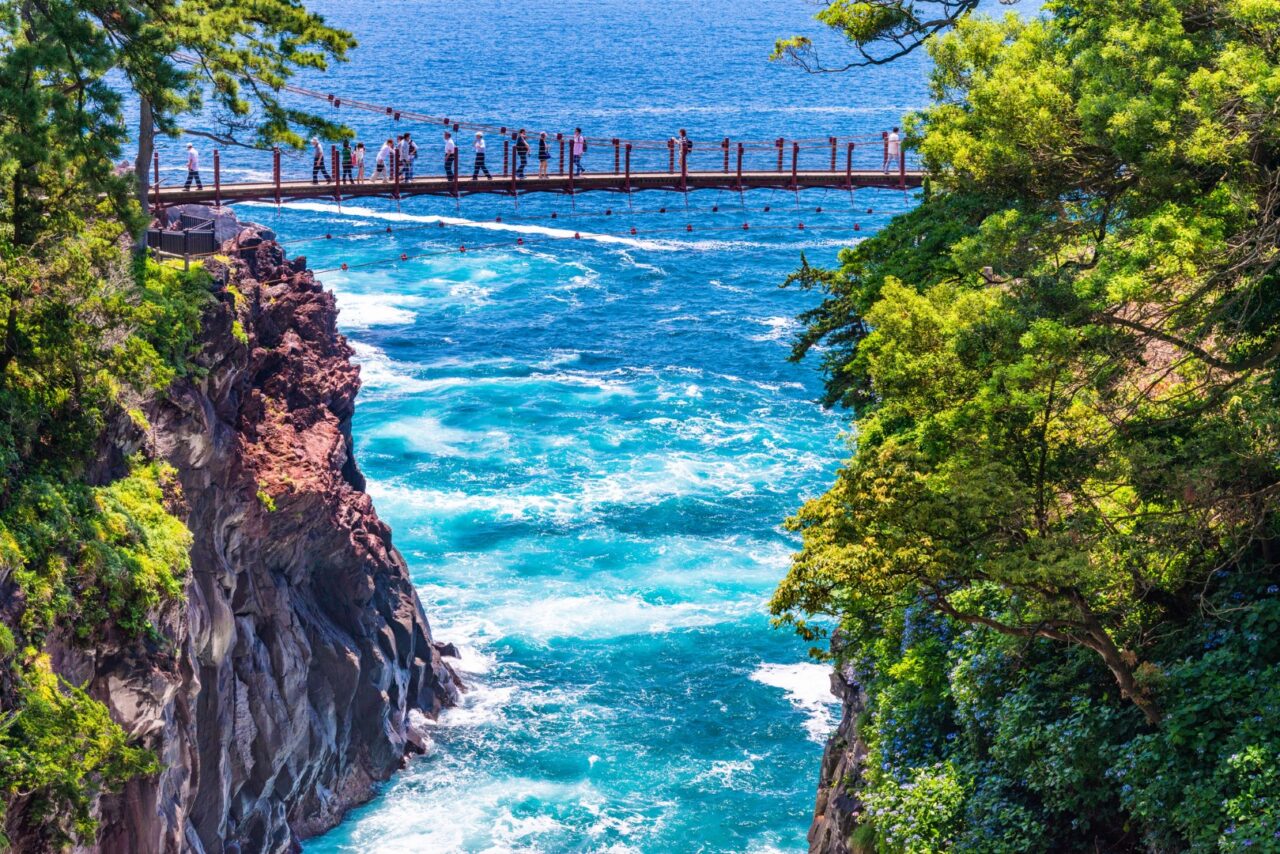
Autumn (September–November)
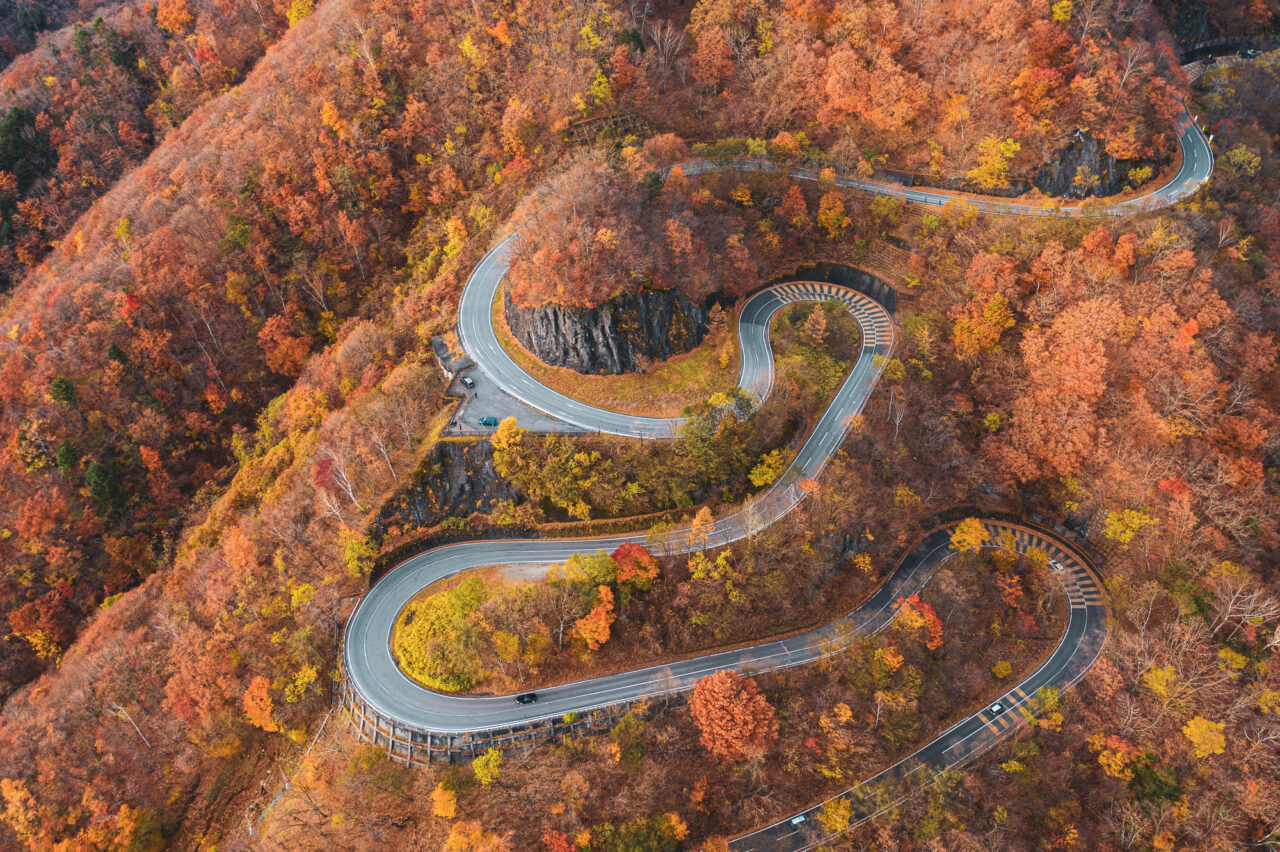
Brilliant foliage in Hakone, Nikko, and Gunma, especially around mountain roads.
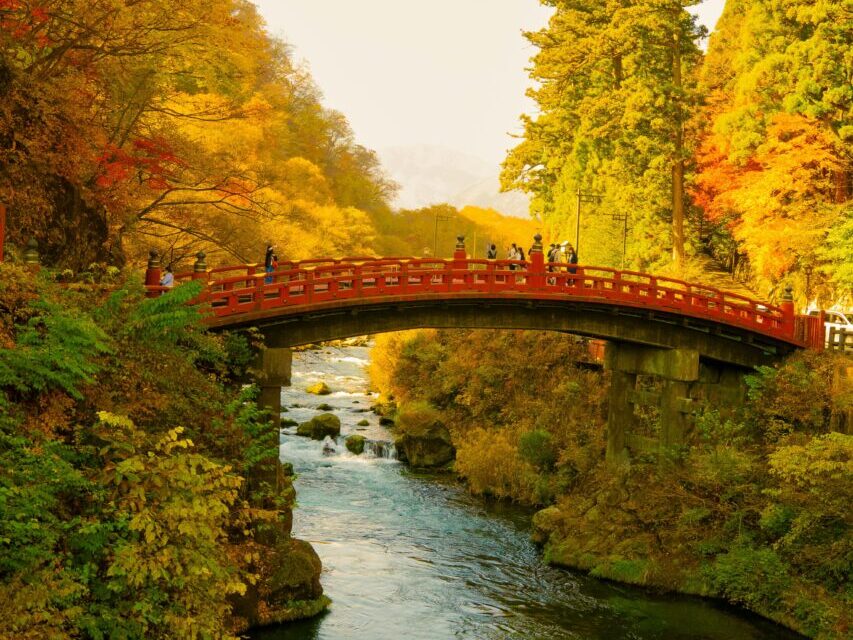
Winter (December–February)
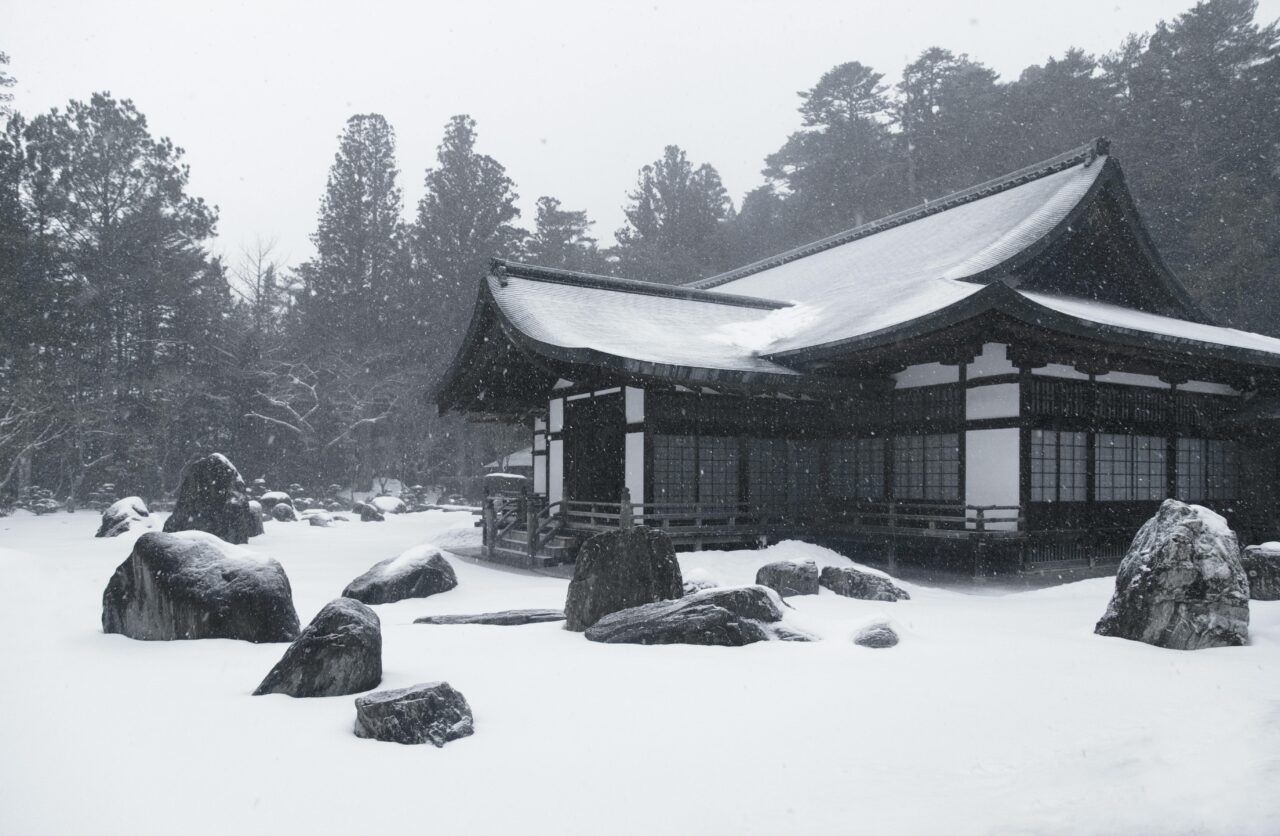
Crisp views of Mt. Fuji, snowy onsen escapes in Gunma and Tochigi, and quieter tourist sites.
Scenic Roads (Perfect for a Self-Drive Roadtrip)
The Kanto region is full of recommended drives for both short day trips and multi-day itineraries:
- Nikko Irohazaka Road – A dramatic climb into national park landscapes and historic sites.
- Shiga Kusatsu Road (Route 292) – Alpine highland drive with volcano vistas and lofty passes
- Venus Line – “Sky Road” through Nagano’s highlands and alpine panoramas
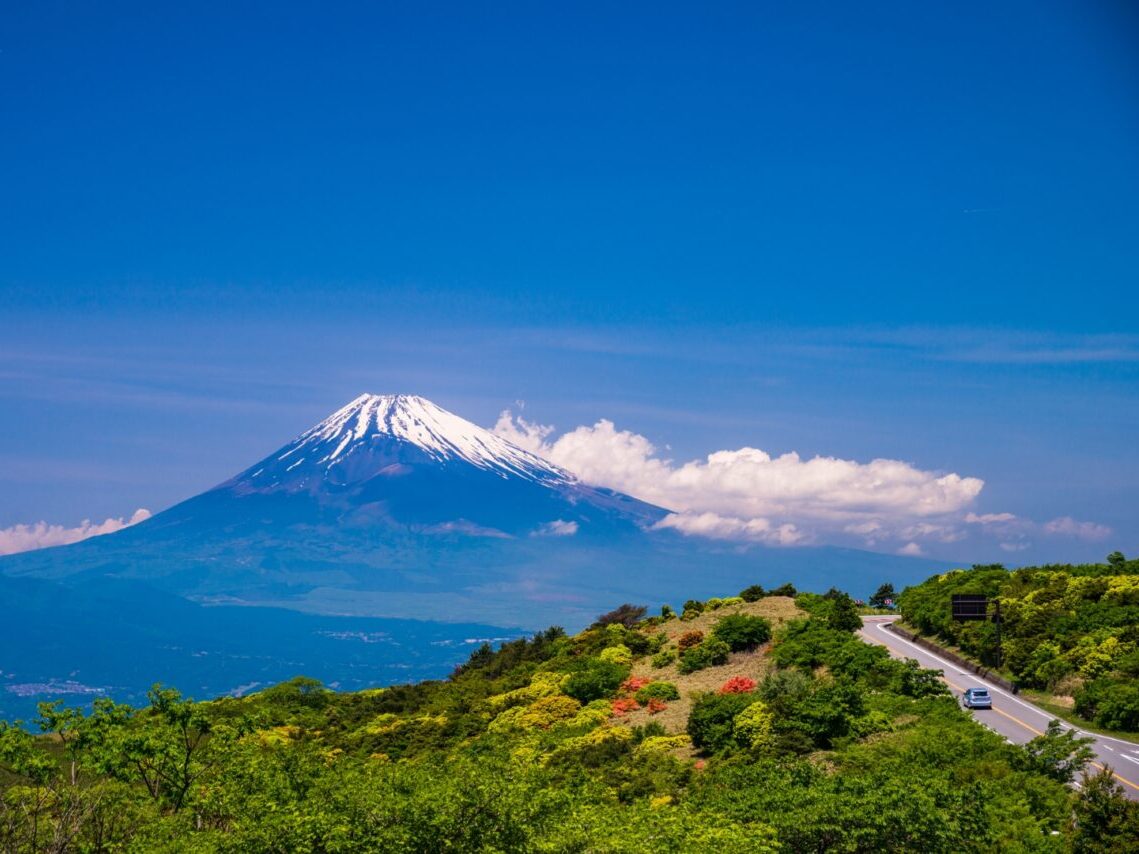
- Ashinoko Skyline – Panoramic Hakone ridge road with Mt. Fuji and Lake Ashi views
- Izu Skyline – Ridge-top coastal and mountain drive with Mt. Fuji vistas
- Hakone Turnpike – Epic Mt. Fuji views, connecting to Izu and western kanagawa.
How to Get to the Kanto Region of Japan
By Air
Narita Airport (Chiba) and Haneda Airport (Tokyo) provide major international access. From Kansai, Hokkaido, Kyushu, Shikoku, Tohoku, and Okinawa, flights arrive directly in Tokyo.
By Shinkansen/JR
Shinkansen lines connect Kanto with Kyoto, Osaka, Nagano, Niigata, Shizuoka, Hiroshima, and more.
How to Get to the Kanto Region
Recommended Itineraries
Skip the complicated trip planning and instead explore the Kanto region with one of Drive Japan’s curated driving routes! These routes are all road-tested and are mapped out so you visit each destination at the right time of day, in the most efficient order, and make sure you don’t miss the hidden gems along the way.
- 4-Day Introduction to Japan: Tokyo → Hakone/Atami → Fuji Kawaguchiko → Tokyo
- The Ultimate Week in Japan: Tokyo → Hakone/Atami → Fuji Kawaguchiko → Matsumoto → Karuizawa → Tokyo
- 13 Days of Japanese Immersion: Tokyo → Hakone/Atami → Fuji Kawaguchiko → Matsumoto → Karuizawa → Kusatsu → Nagano → Yuzawa → Nikko → Tokyo
View all 29 of Drive Japan’s Kanto Region road trip itineraries here:
(filter by ‘Around Tokyo & Mt. Fuji’ under ‘Areas’)