
Hokkaido is Japan’s northernmost and second-largest island, famous for vast wilderness, powder snow, fresh seafood, and Ainu heritage. It’s a land of wide-open skies and wild national parks, from the high volcanoes of Daisetsuzan to windswept eastern coasts. Sapporo — the island’s capital city — is known for Sapporo beer, hearty miso ramen, and its spectacular winter Snow Festival. Hakodate in the south offers charming historic streets and one of Japan’s most famous night views, while the cool summer climate makes Hokkaido an ideal escape from the hot, humid weather in Tokyo, Osaka, Kyushu, and the main islands.
Culture & History
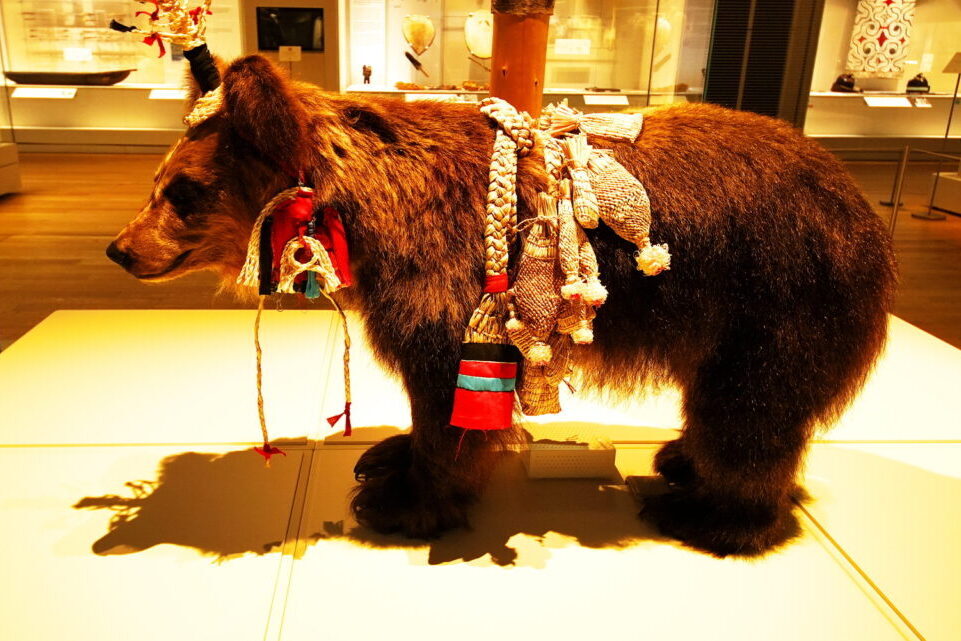
Long before Hokkaido became part of modern Japan, the island was home to the Ainu, the indigenous people of the north. Their culture includes a unique language, carved wooden art, embroidered clothing, and ceremonial dances deeply tied to nature. Many place names across Hokkaido — including “Sapporo” — come from Ainu words. Visitors can learn about Ainu traditions at cultural villages such as Ainu Kotan in the Lake Akan area.
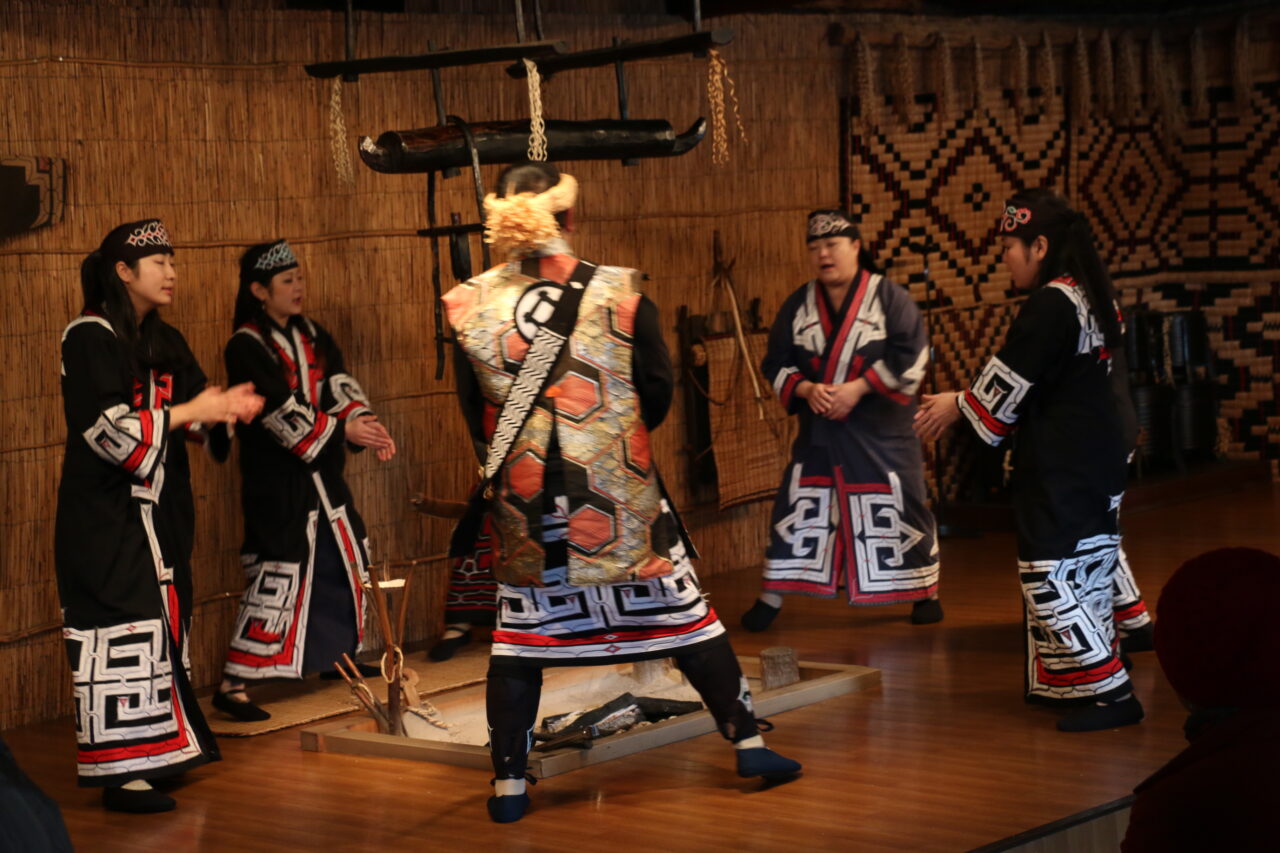
In the late 1800s, during the Meiji era, Japan encouraged settlement in the region, renamed it “Hokkaidō,” and developed Sapporo and Hakodate into major towns. Today, the island blends frontier history, Japanese culture, and Ainu heritage into something distinctly its own.
What Hokkaido Is Known For
Hokkaido is famous worldwide for:
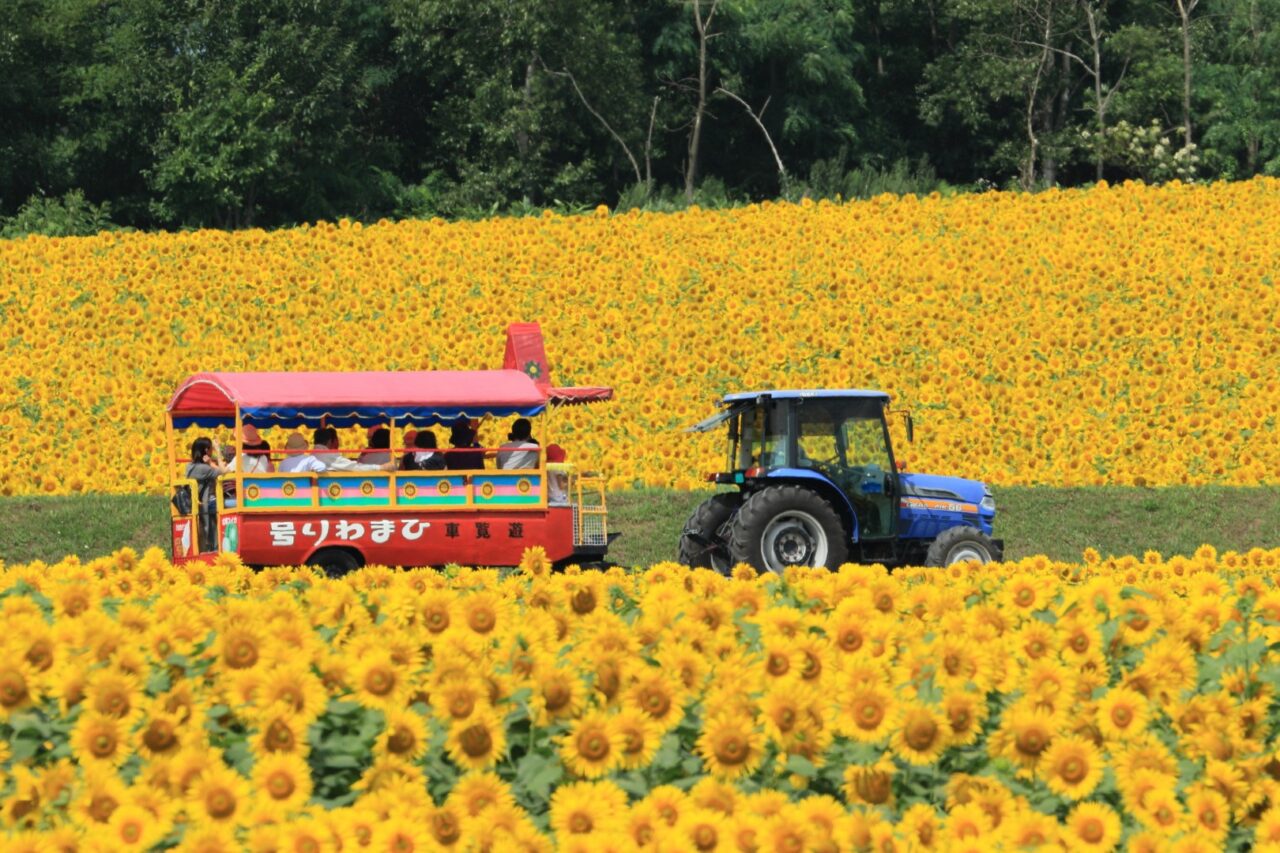
- Flower fields — summer in Furano and Biei brings lavender, wildflowers, and bright patchwork hills.
- Seafood — crab, scallops, salmon, salmon roe, and creamy uni are daily staples.
- Dairy products — Hokkaido’s milk, cheese, and soft-serve ice cream are unmatched.
- Hot springs — Noboribetsu, Jozankei, and Lake Akan offer soothing natural baths.
- Wild nature — Shiretoko Peninsula is a rugged UNESCO World Heritage site filled with lakes, waterfalls, and wildlife.
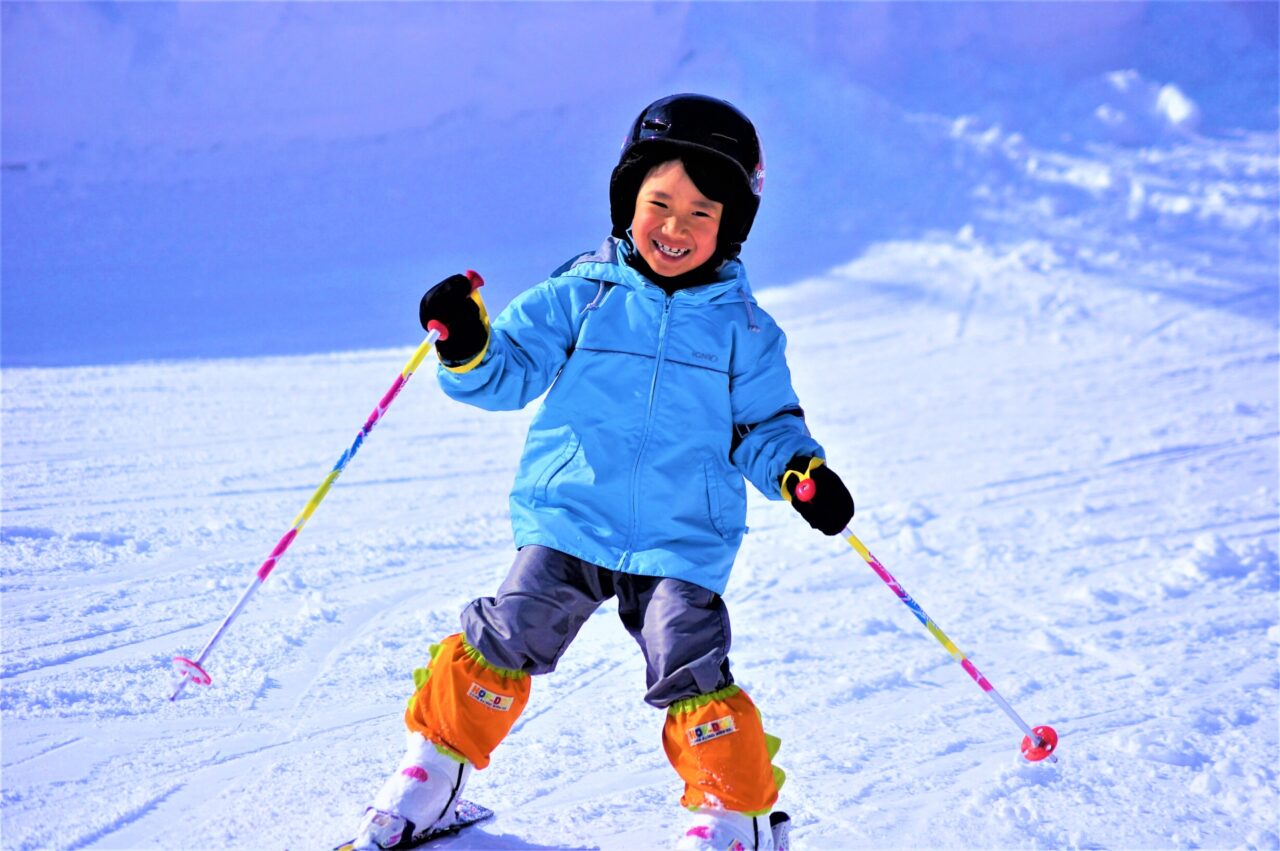
- Perfect powder snow — ski and snowboard resorts like Niseko, Furano, and Rusutsu attract winter sports lovers from across the world.
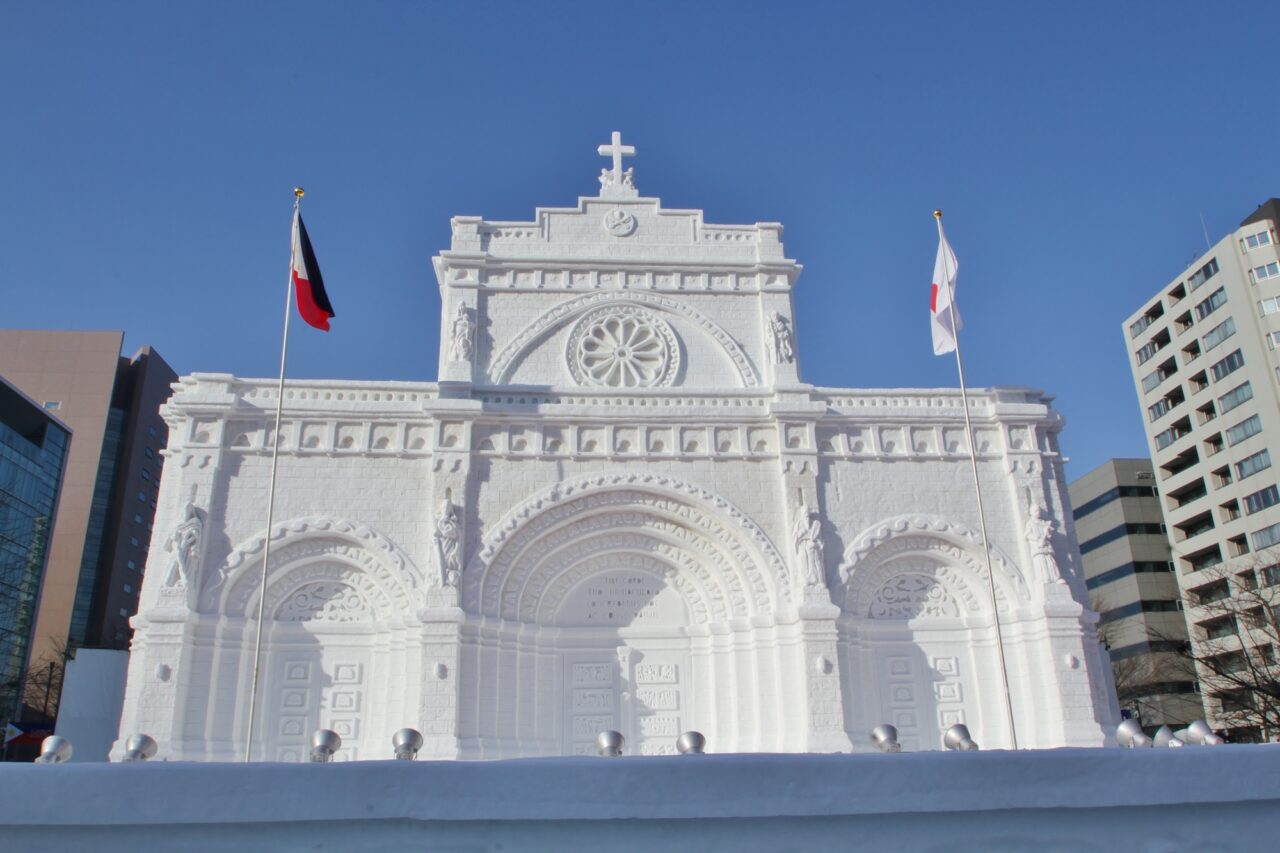
- Sapporo Snow Festival — huge ice and snow sculptures fill Odori Park every February.
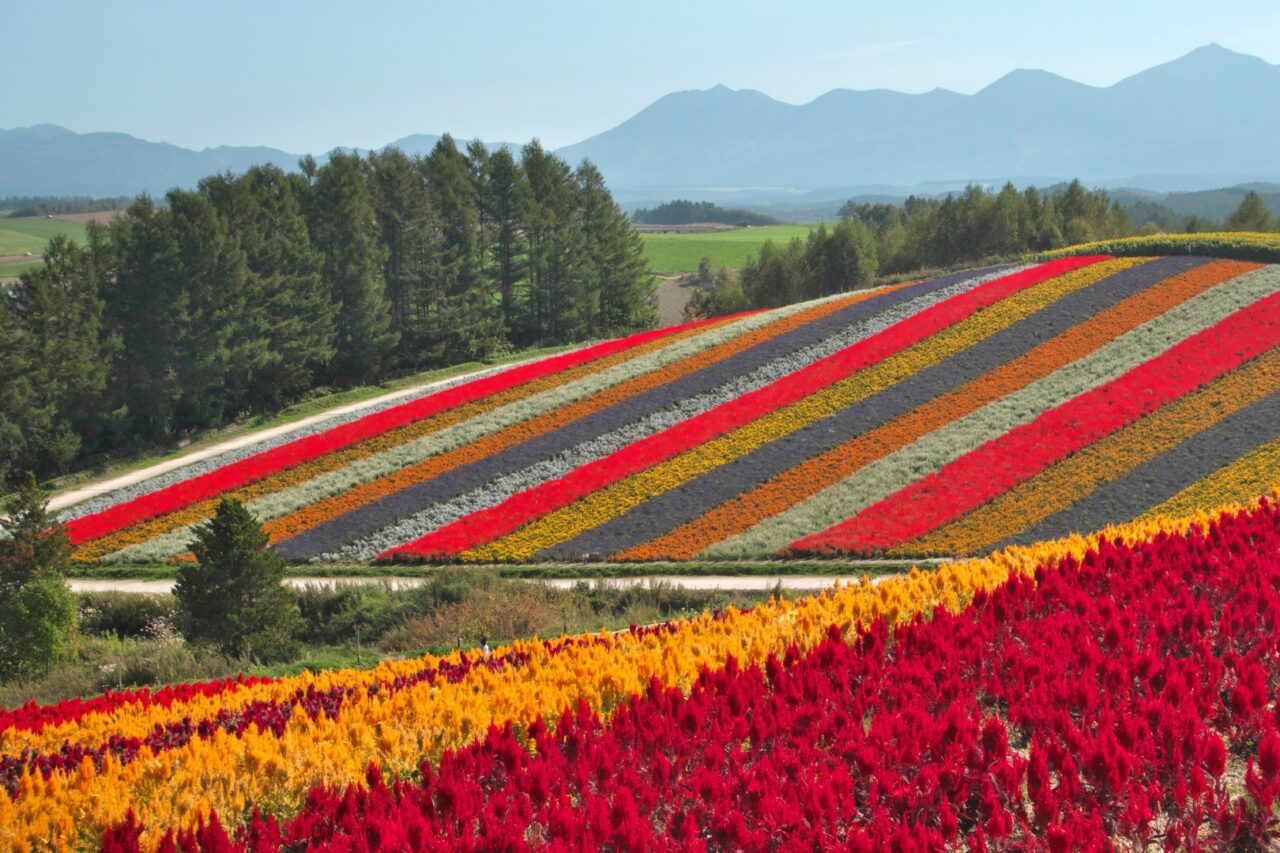
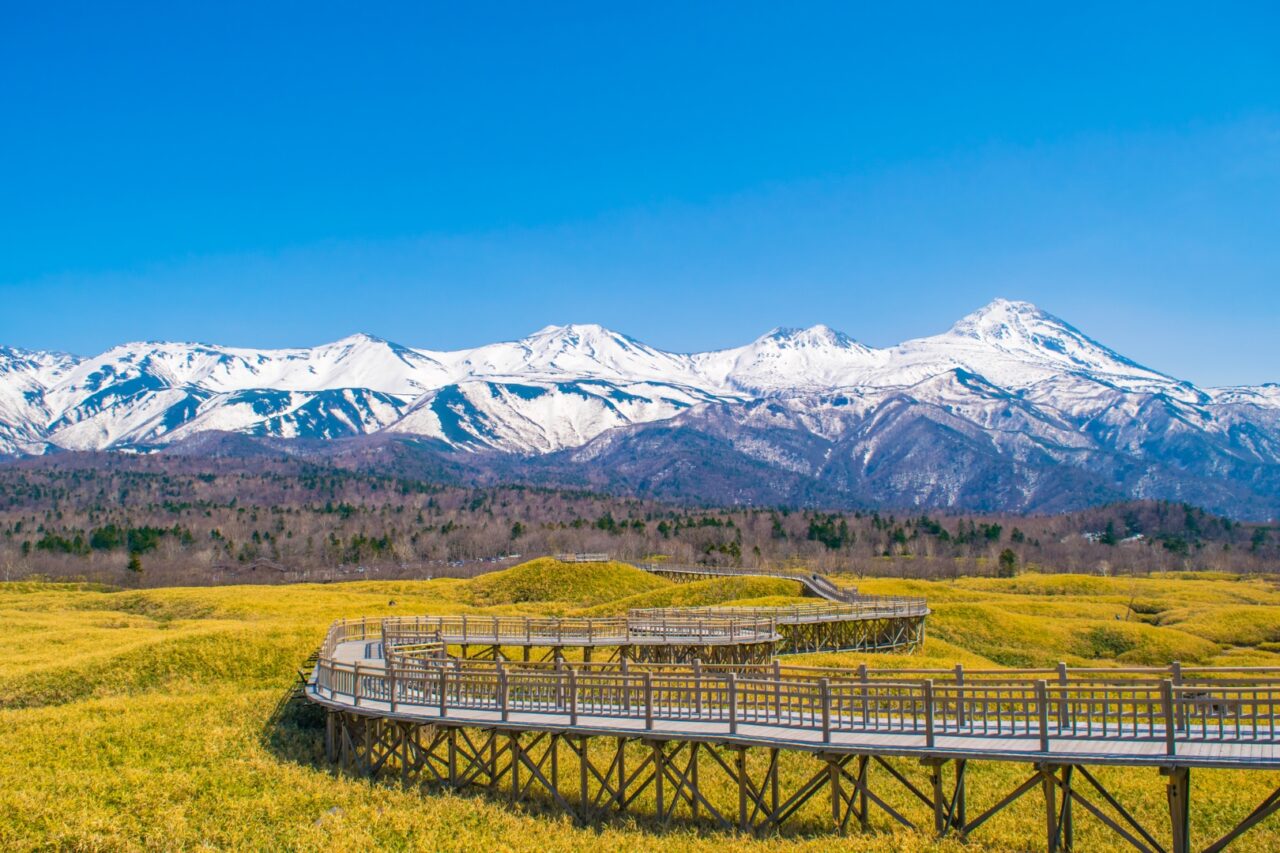
The island’s mix of natural beauty, open landscapes, delicious food, and cultural depth makes it one of Japan’s most memorable destinations.
Top Attractions
Hokkaido has countless places worth exploring, including:
- Sapporo – home to the Snow Festival, Susukino nightlife, Odori Park, and classic Japanese city comforts.
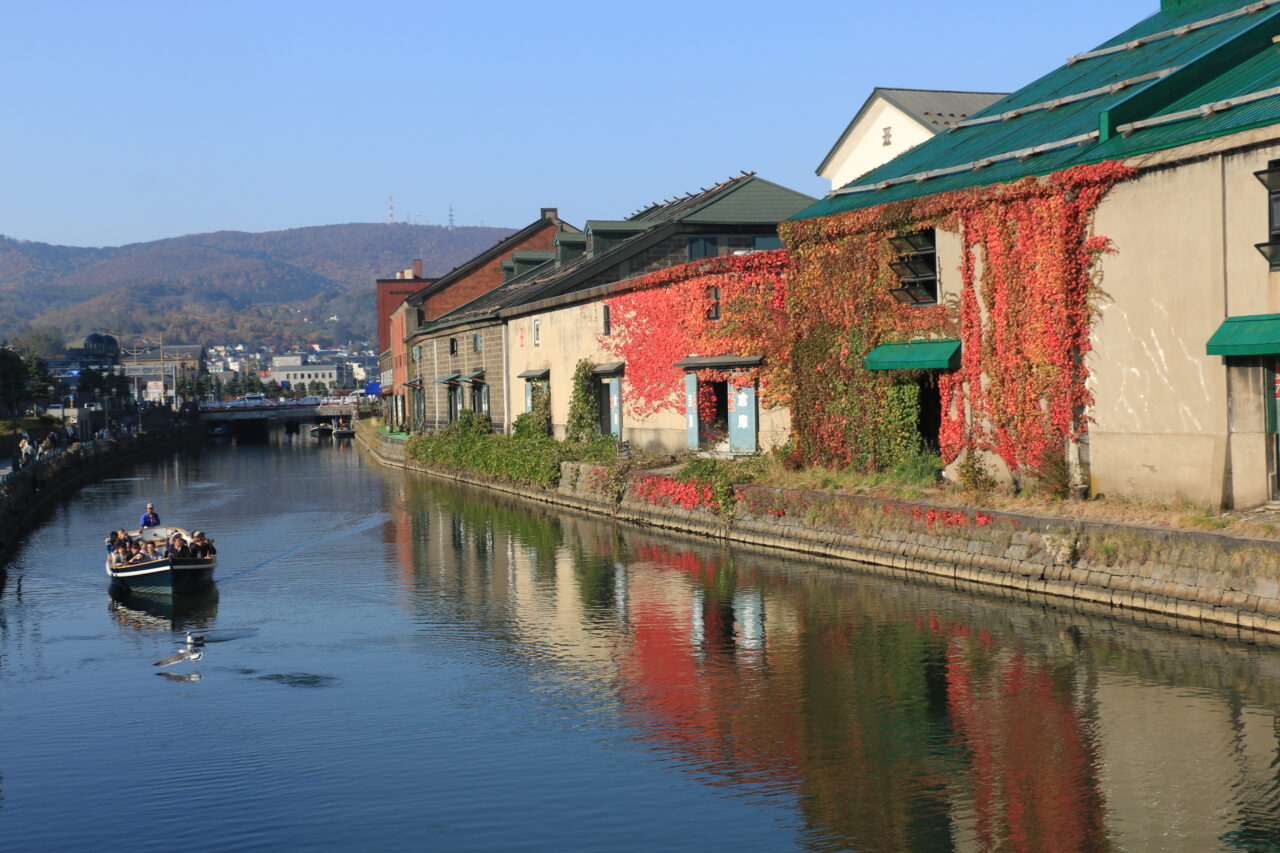
- Otaru – a romantic canal town famous for seafood, music boxes, and glassware.
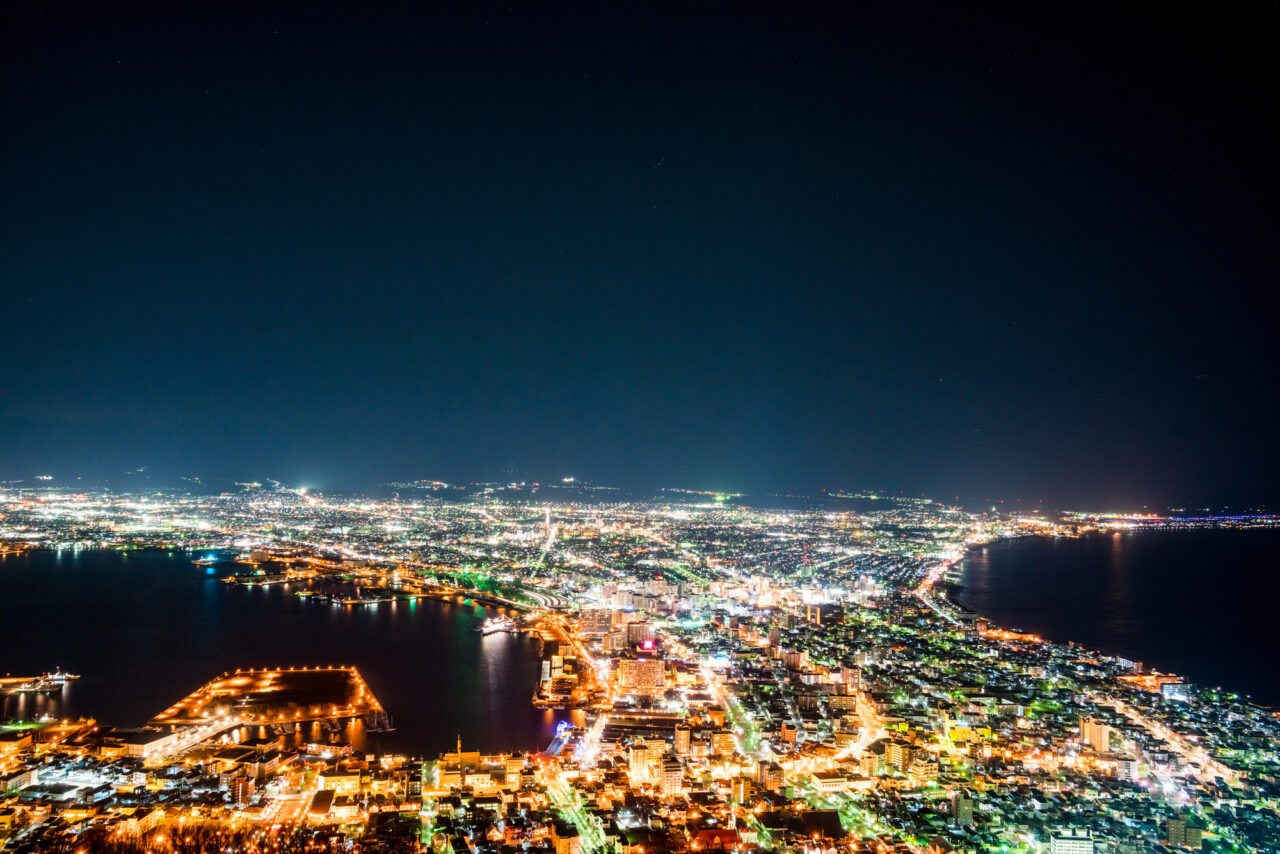
- Hakodate – known for its night view from Mount Hakodate, the star-shaped Goryokaku fort, and morning markets.
- Asahikawa – gateway to Daisetsuzan National Park and the beloved Asahiyama Zoo.
- Furano & Biei – rolling hills, lavender & flower fields, the Blue Pond, and endless summer scenery.
- Lake Akan – Ainu cultural village, hot springs, and the mysterious marimo algae.
- Kushiro Marsh – the best place to see endangered red-crowned cranes.
- Noboribetsu – a volcanic valley full of steaming vents and hot springs.
- Lake Toya – a caldera lake surrounded by peaceful resorts and mountain trails.
- Shiretoko – rugged coastline, drift ice in winter, bears, deer, waterfalls, and untouched wilderness.
Regions of Hokkaido
Hokkaido can be divided into five parts:
- Central Hokkaido – Asahikawa, Furano, Biei, Obihiro
- Around Sapporo – Otaru, Niseko, Sapporo, Chitose
- Southern Hokkaido – Hakodate, Lake Toya, Noboribetsu
- Eastern Hokkaido – Shiretoko, Kushiro, Lake Akan, Abashiri
- Far North Hokkaido – Wakkanai, Rishiri, Rebun
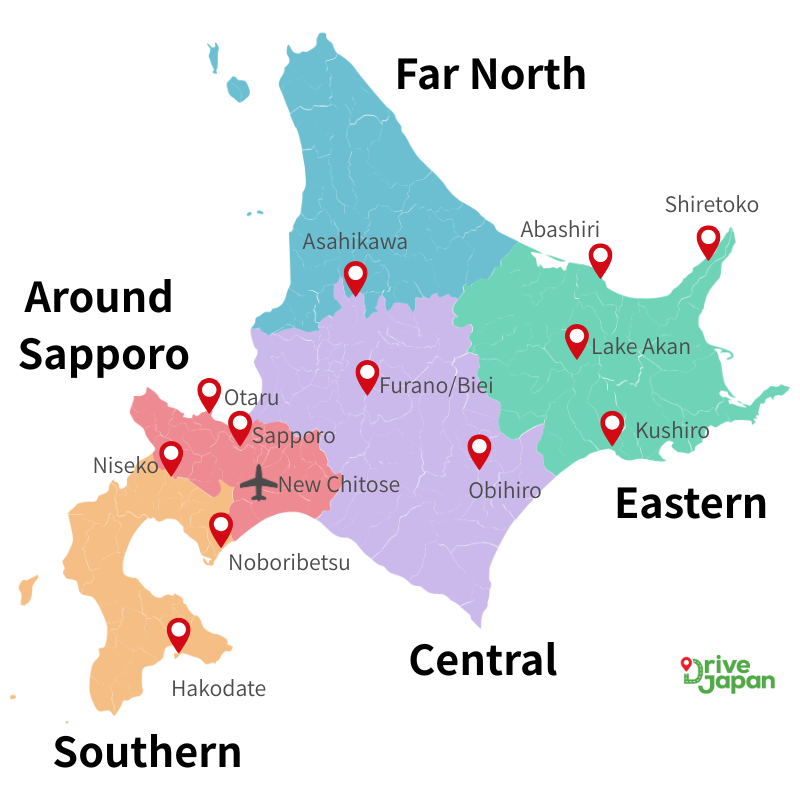
Each area offers a different blend of cities, lakes, parks, wildlife, and experiences.
Travelers often fly into New Chitose Airport near Sapporo, and because Hokkaido’s cities, lakes, and parks are spread far apart, most visitors quickly discover that the best way to explore is by car.
Travelers often choose to visit the eastern and southern parts of Hokkaido, which have Sapporo as the border. If you have 7-10 days, you can travel both these areas comfortably. To travel around all of Hokkaido in one trip, you will need somewhere between 12 days and 2 weeks, depending on the speed you want to travel.
As 2026 brings more travelers and tourism to Japan, Hokkaido remains one of the country’s most beautiful regions for those seeking nature, culture, and seasonal adventure.
Food, Agriculture & Local Specialties
Hokkaido’s food culture is rich and varied:
- Seafood: crab, scallops, salmon, ikura, and sea urchin
- Dairy: milk, yogurt, cheesecake, butter, cheese, soft cream
- Local dishes: miso ramen (Sapporo), soy-based ramen (Asahikawa), shio ramen (Hakodate), soup curry (Sapporo), Jingisukan grilled lamb, pork bowls (Obihiro), Lucky Pierrot Hamburger (Hakodate)
- Produce: Hokkaido potatoes, corn, pumpkins, sugar beets, and famous Yubari melons
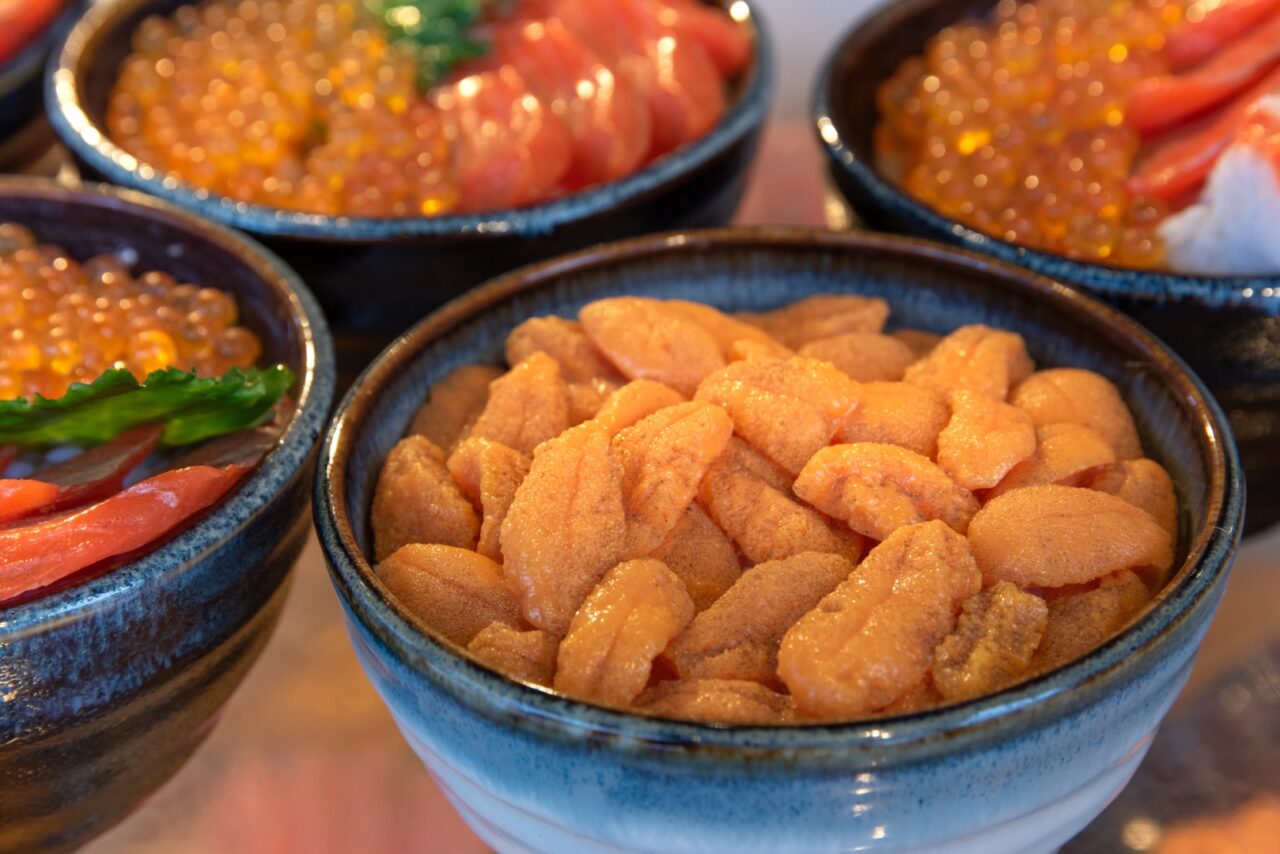
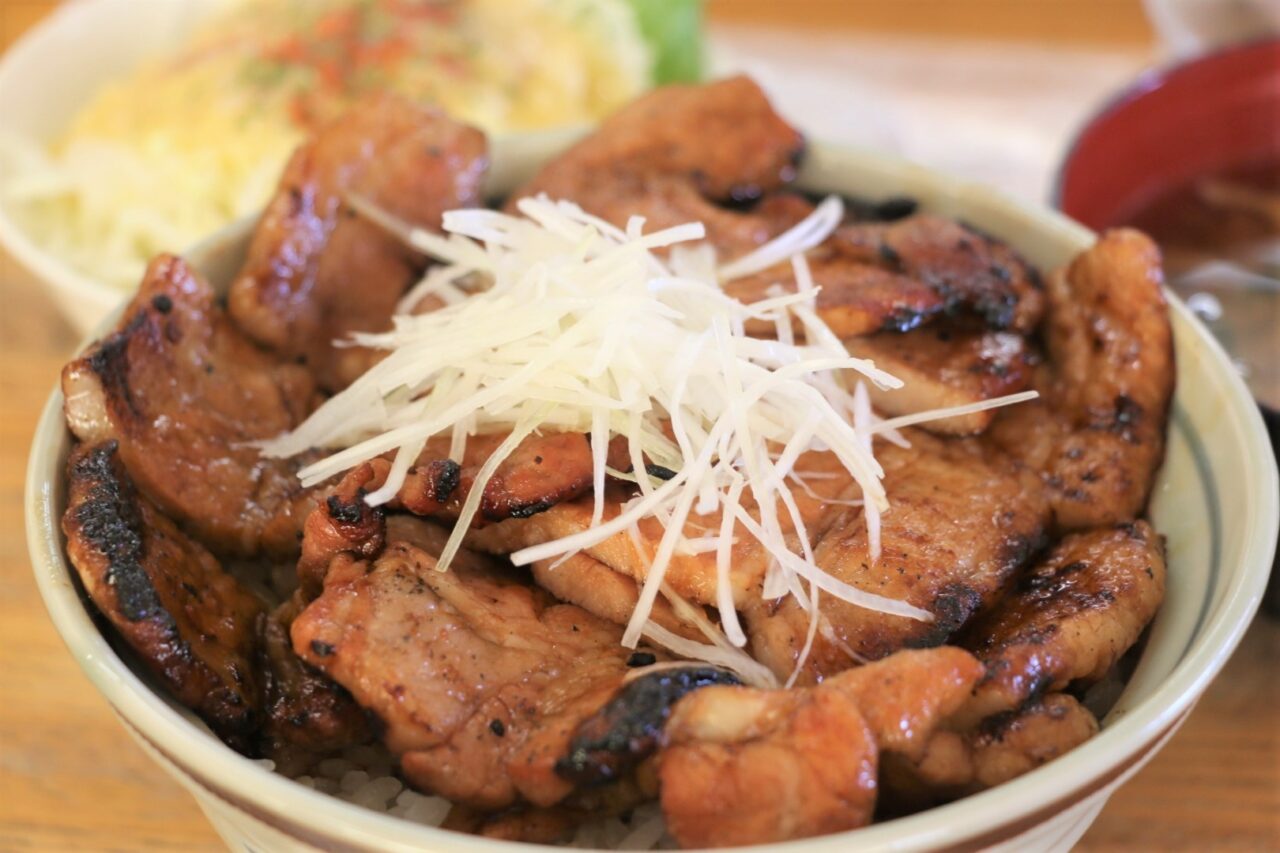
Markets in Sapporo, Hakodate, and Otaru are heaven for seafood lovers, while countryside towns serve fresh dairy and hearty comfort foods.
Best Seasons to Visit
Spring (May–June)
Late cherry blossoms, fresh greenery, pleasant temperatures, and early flower fields.
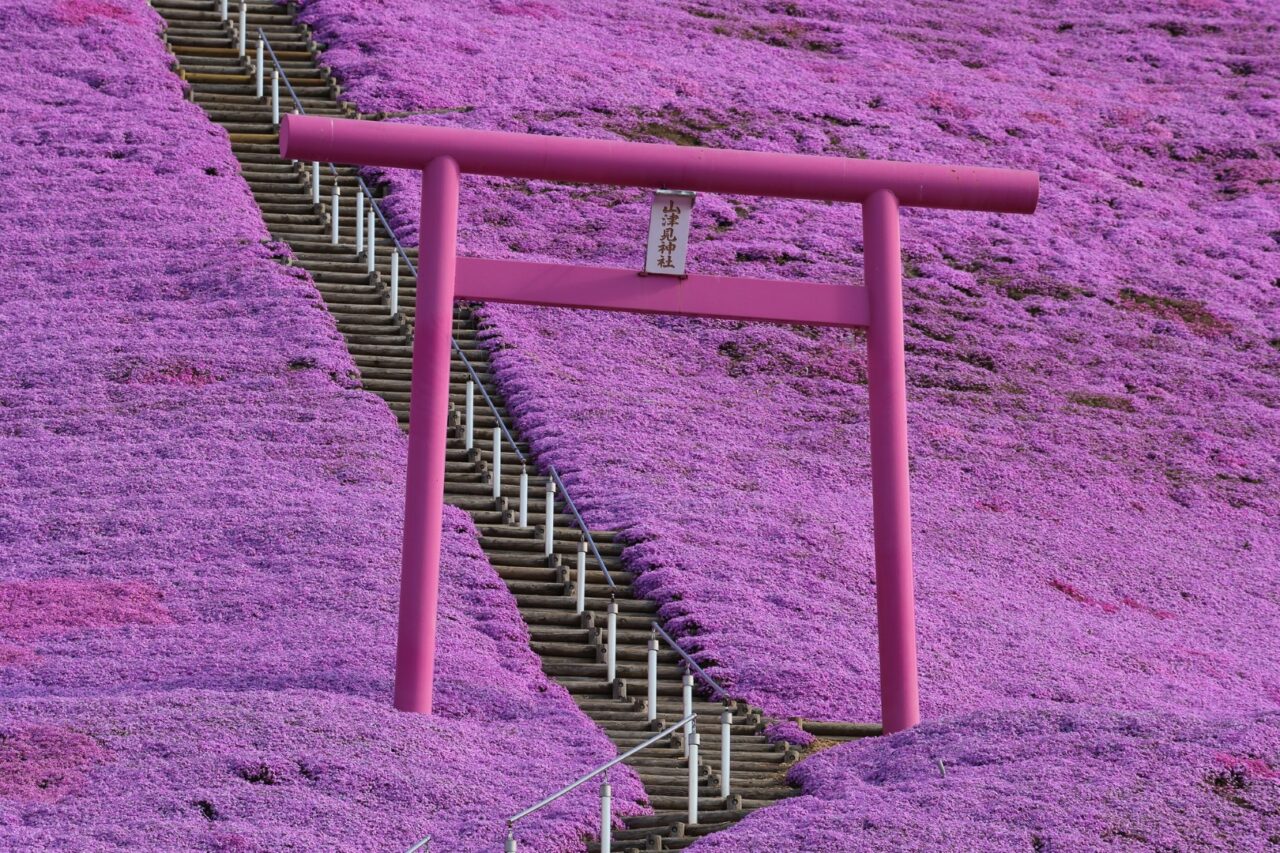
Summer (July–August)
Warm but not hot; flower fields peak in Furano and Biei; ideal for hiking, lakes, and outdoor activities.
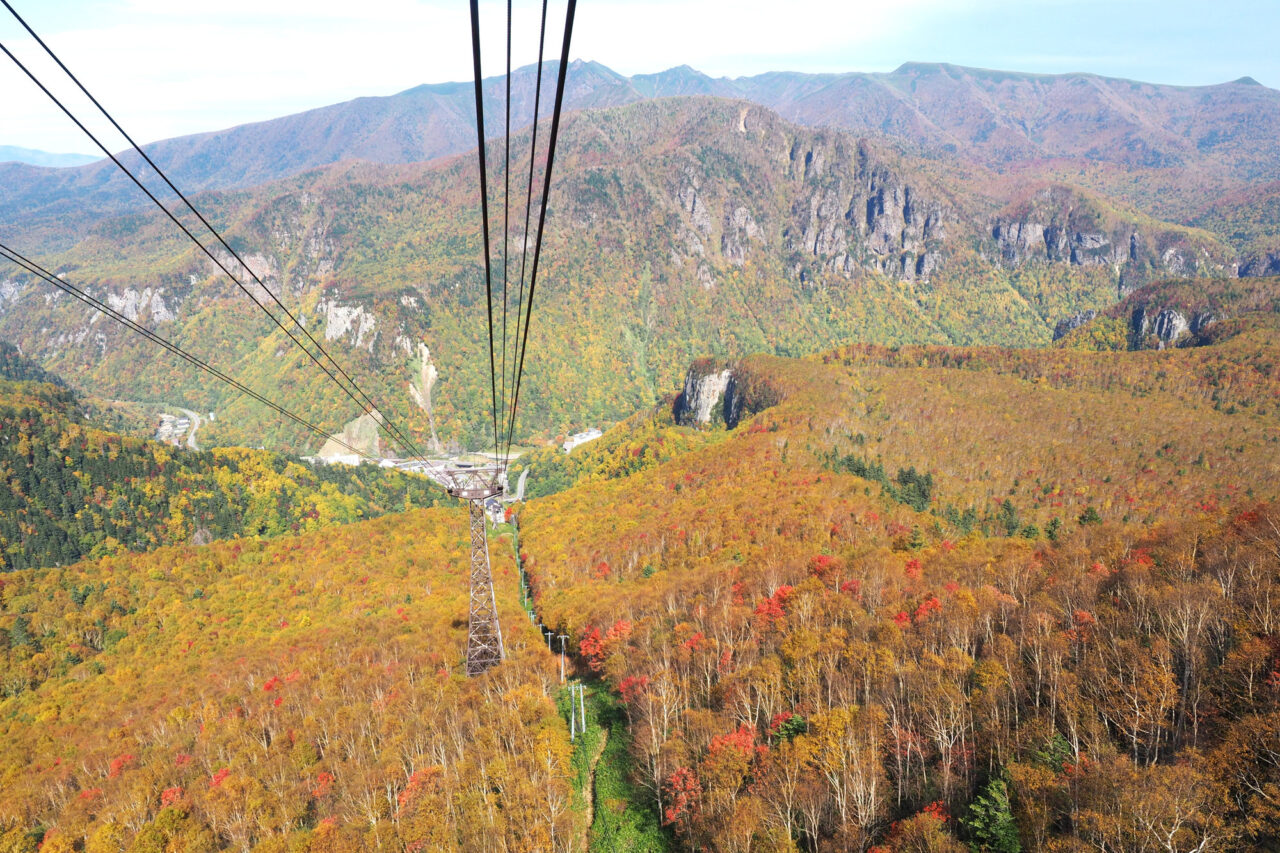
Autumn (September–October)
Brilliant red and yellow leaves; perfect weather; harvest festivals; salmon season.
Winter (December–March)
Hokkaido’s famous powder snow; skiing in Niseko and Furano; snow festivals; drift ice in Abashiri; magical hot springs in the snow.
Scenic Roads (Perfect for a Self-Drive Roadtrip)
Some of Japan’s best scenic roads are in Hokkaido. A few highlights:
- Shiretoko “Road to the Sky” – a 28 km straight road on the rugged peninsula.
- Roller Coaster Road – gentle hills create a fun up-and-down drive in the Furano area.
- Lake Shikotsu Sky Road (Route 16) – a scenic route skirting the lake with sweeping mountain and forest views.
- Niseko Panorama Line (Route 66) – a winding highland drive offering dramatic vistas of Mt. Yotei and rolling green hills.
- Pilot National Route (Route 243) – a long, straight “pilot road” across open fields with big-sky Hokkaido scenery.
- Shiretoko Crossing Road (Route 334) – a mountain pass through wild Shiretoko with misty peaks and ocean panoramas.
- Shirotai Skyline – a hillside lookout road above Hakodate known for wide views over the city and surrounding plains.
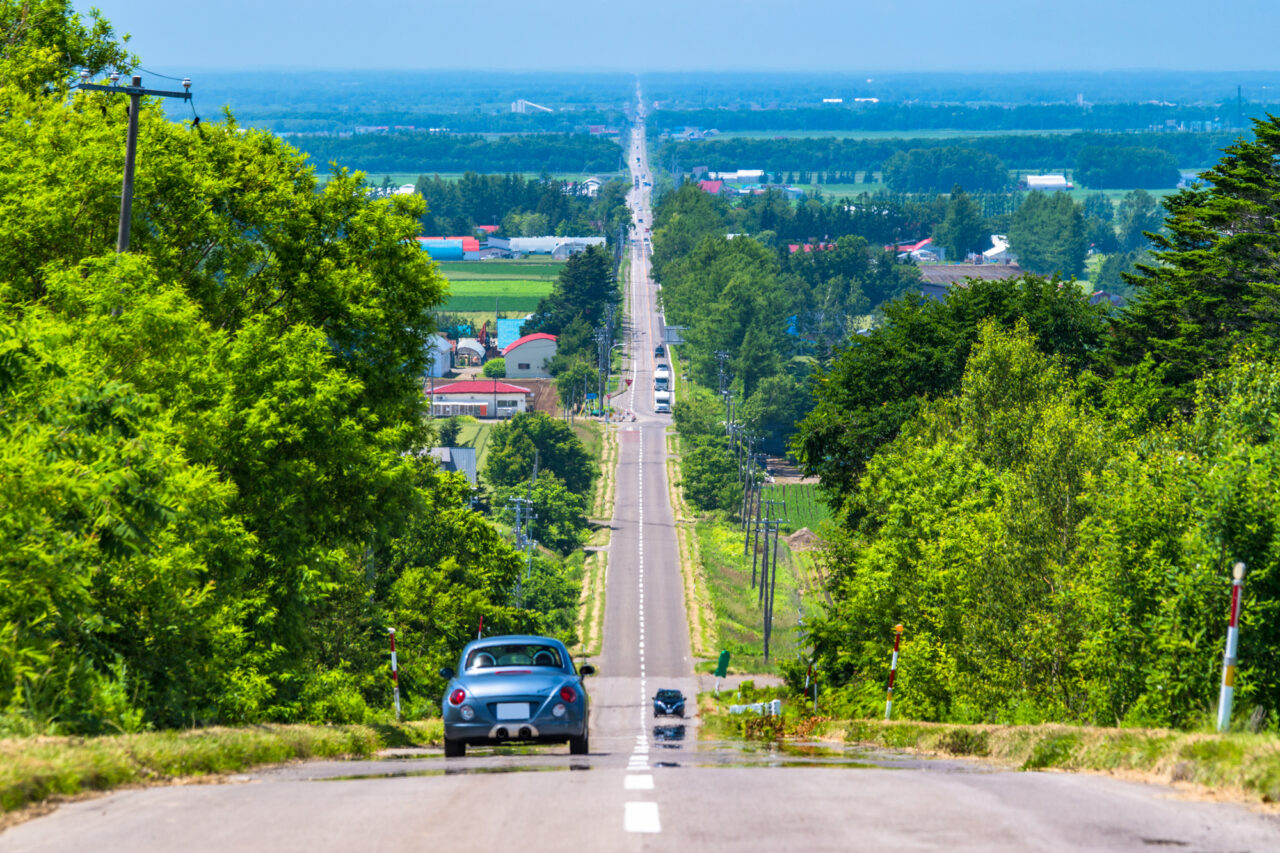
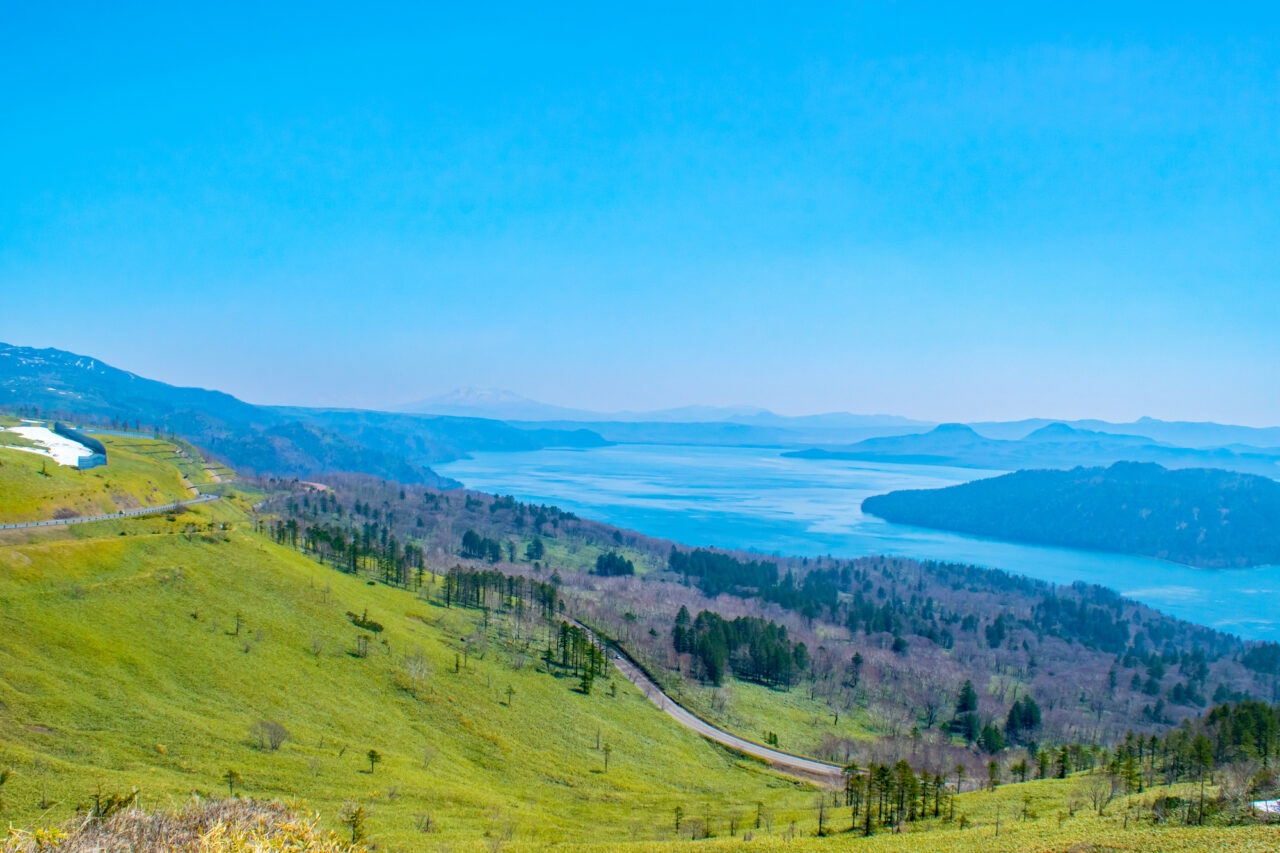
Driving lets you experience these landscapes at your own pace, stopping for photos, snacks, and small towns along the way.
How to Get to Hokkaido
By Air
New Chitose Airport (near Sapporo) is the main entry point, with frequent flights from Tokyo, Osaka, Nagoya, and several international cities.
By Train (Not Recommended)
The Shinkansen currently reaches Hakodate, but not yet Sapporo, so trains require transfers and take significantly longer.
Recommended Itineraries
Skip the complicated trip planning and instead explore Hokkaido with one of Drive Japan’s curated driving routes! These routes are all road-tested and are mapped out so you visit each destination at the right time of day, in the most efficient order, and make sure you don’t miss the hidden gems along the way.
- 5-Day Hokkaido Route: Sapporo → Lake Toya → Noboribetsu → Hakodate
- 8-Day Full Loop Route: Lake Toya → Sapporo → Asahikawa → Shiretoko
- 14-Day Complete Hokkaido Route: Sapporo → Noboribetsu → Hakodate → Lake Toya → Otaru → Furano → Asahikawa → Abashiri → Shiretoko → Lake Akan → Kushiro → Obihiro → Sapporo
View all 43 of Drive Japan’s Hokkaido road trip itineraries here:
(filter by ‘Hokkaido’ under ‘Areas’)