
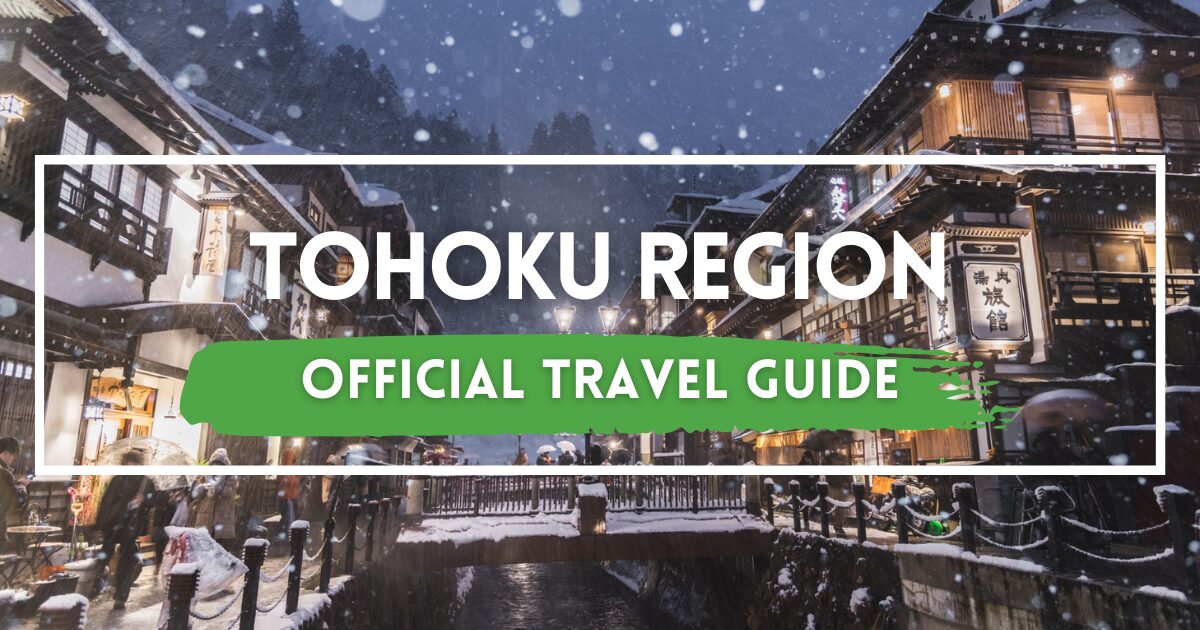
The Tohoku region, stretching across the northern part of Japan’s main island of Honshu, is a vast landscape of rugged mountains, serene lakes, ancient culture, and charming rural towns. Known for its dramatic seasonal contrasts—from deep snow in winter to vibrant cherry blossom in spring—Tohoku remains one of the country’s most inspiring travel destinations. For visitors who want to explore Japan at their own pace, this guide introduces a region rich in history, onsen, and unforgettable views, perfect for a scenic self-drive adventure.
Culture & History
Tohoku’s history is shaped by indigenous traditions, early samurai heritage, and centuries of spiritual practice. The region’s prefectures—Aomori, Iwate, Akita, Yamagata, Miyagi, and Fukushima—each preserve unique stories and cultural expressions.
In 2011, the Sanriku coast faced the impact of a major tsunami and earthquake, and today many sites highlight both remembrance and remarkable recovery. Ancient temple complexes like Hiraizumi (a UNESCO site) showcase refined Pure Land Buddhist art and architecture, while Dewa Sanchi and Haguro offer opportunities to learn about traditional ascetic mountain worship.
From samurai districts in Kakunodate to traditional matsuri that illuminate entire cities, Tohoku’s deep-rooted culture continues to shape daily living in this vast and rural part of Japan.
What the Tohoku Region Is Known For
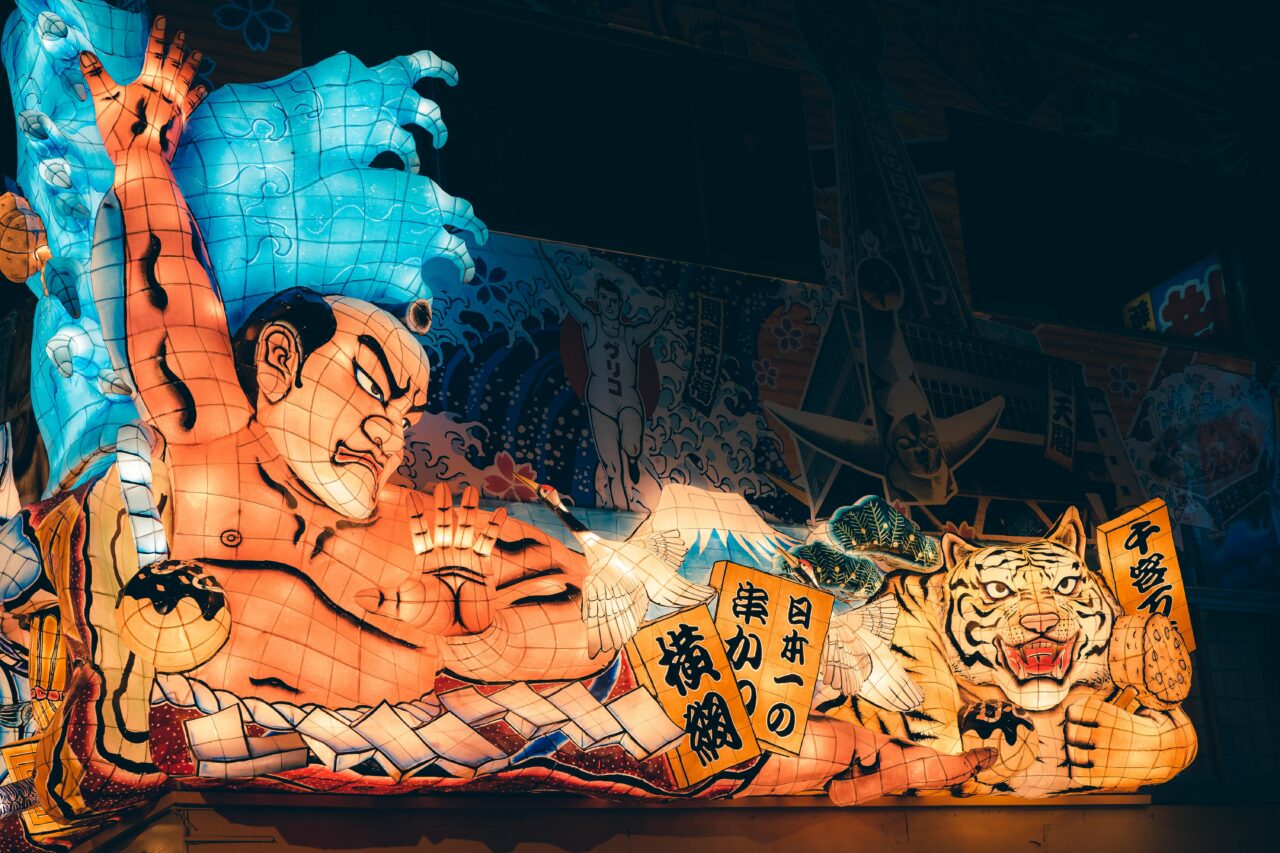
- National-level festivals such as Aomori Nebuta, Sendai Tanabata, and Akita Kanto—some of the most spectacular in Japan
- Powdery snow, onsen (hot springs) towns, and excellent winter activities
- Untouched nature, volcanic mountains, pristine lakes, and dramatic coast along the Sanriku area
- Rich agriculture, celebrated rice, and flavorful local food traditions
- Historic castles, temples, and samurai heritage
- Relaxed tourism, traditional towns, and open views ideal for long road trips
Top Attractions
Aomori Prefecture
- Hirosaki Castle & Park — Famous for spring cherry blossoms and autumn colors
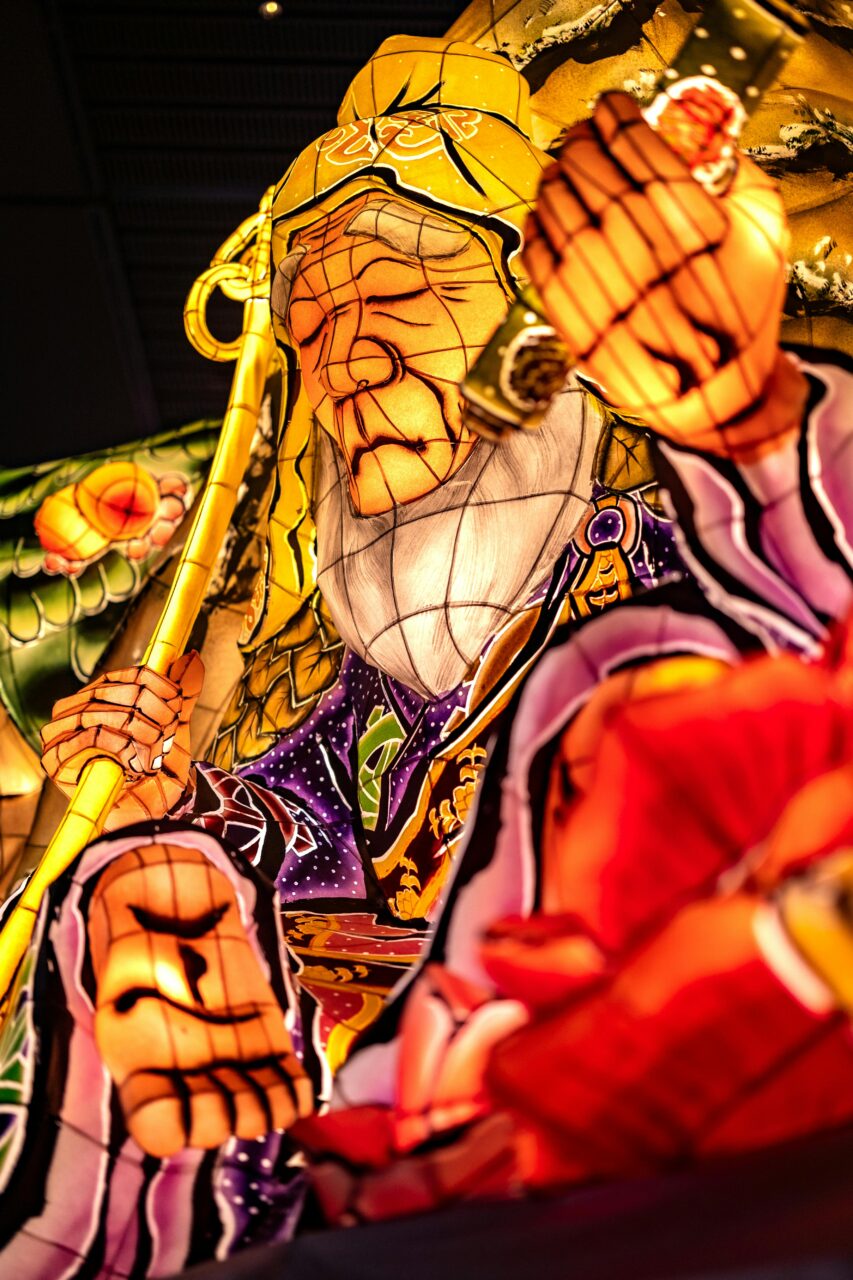
- Nebuta Festival — One of Japan’s most iconic events
- Oirase Gorge & Lake Towada — A stunning scenic gorge with some of the country’s best nature walks
Iwate Prefecture
- Hiraizumi — Featuring Chūson-ji and Mōtsū-ji, both major cultural sites
- Morioka — A lively city known for noodle culture and beautiful mount views
- Kitakami — A top spring blossom destination
Akita Prefecture
- Kakunodate Samurai District — Well-preserved traditional samurai towns
- Yokote Kamakura Festival — Snow huts lit at night, a true winter experience
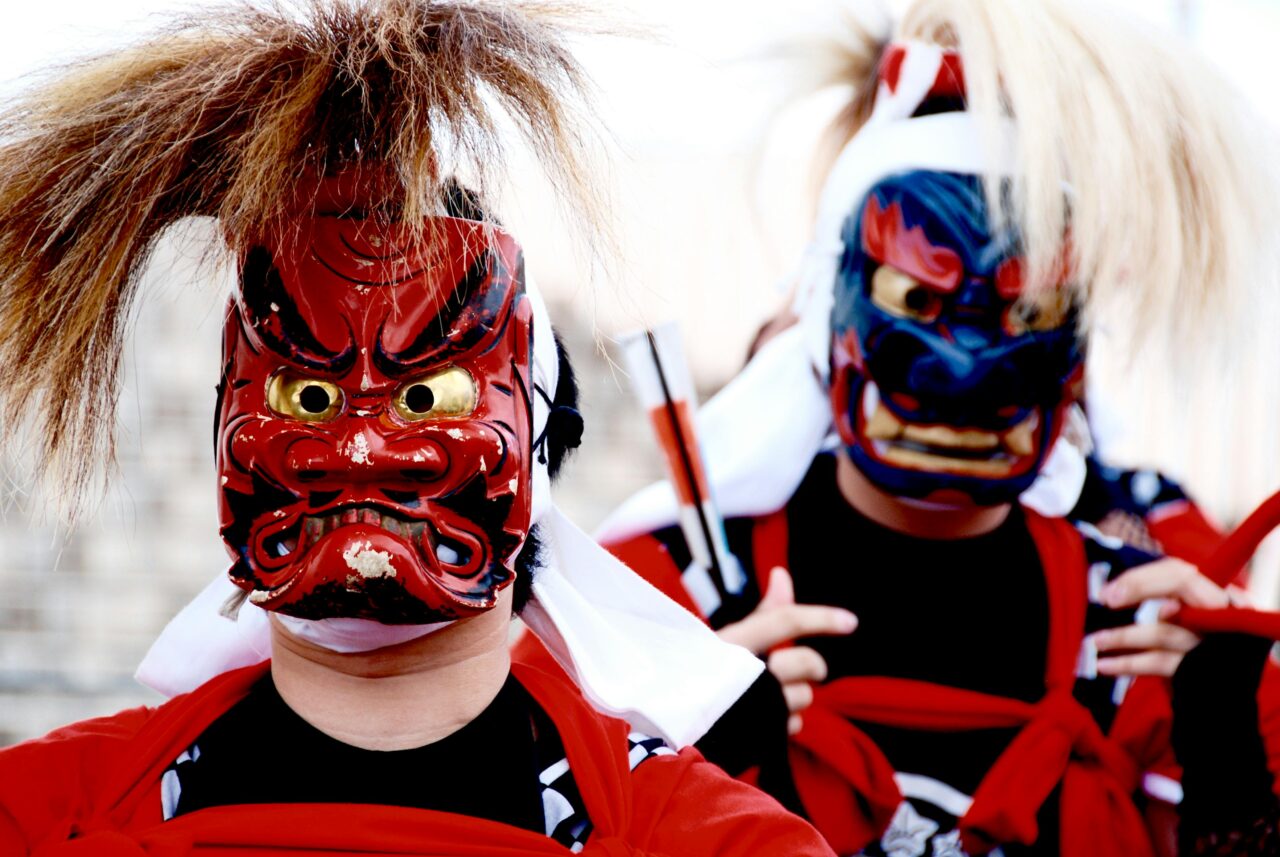
- Oga Peninsula — Known for Namahage folklore and rugged coast landscapes
Miyagi Prefecture
- Sendai — The region’s largest city, rich in culture, dining, and Tanabata celebrations
- Matsushima Bay — Considered one of Japan’s three most beautiful views, dotted with pine-covered islands
- Naruko Onsen — A famous hot spring area with colorful autumn scenery
Yamagata Prefecture
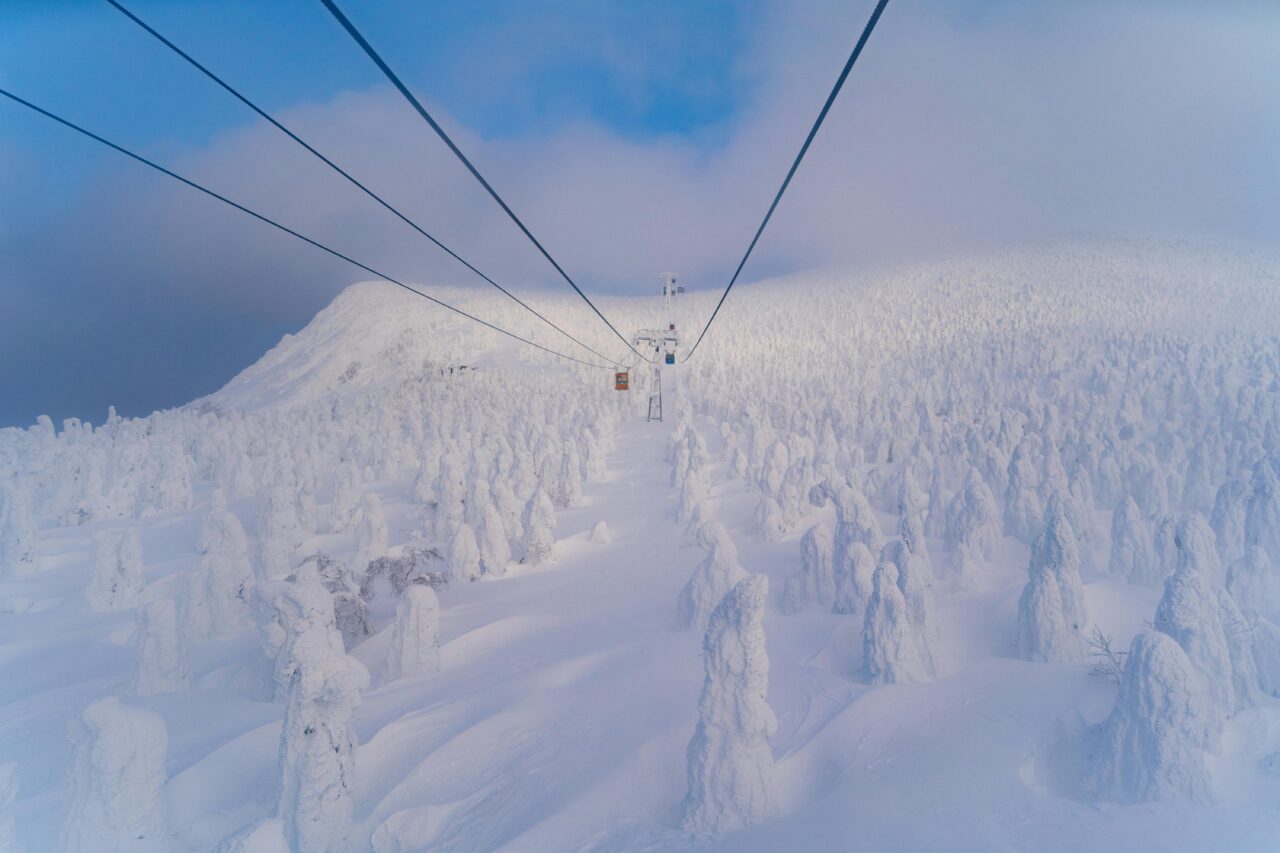
- Zao — A mountain park known for “snow monsters” and volcanic craters
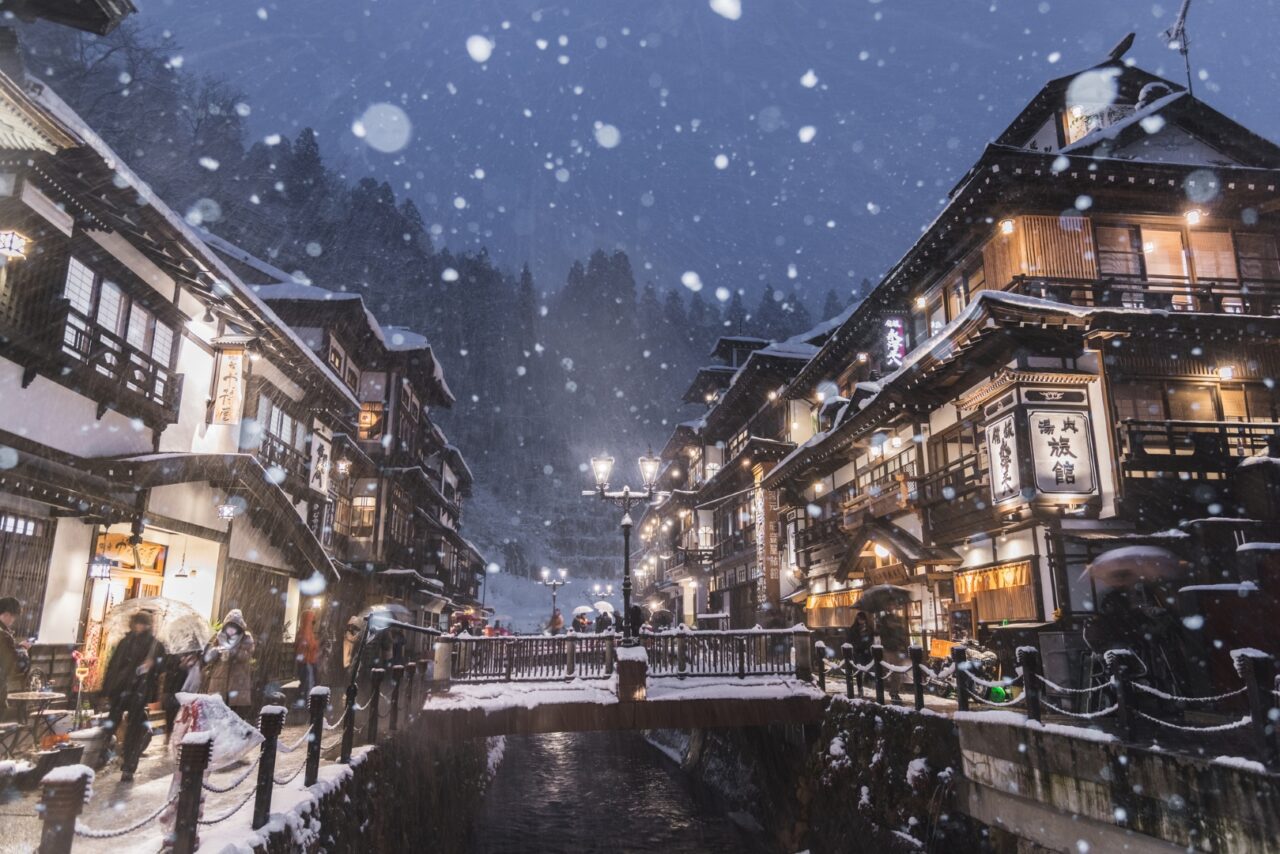
- Ginzan Onsen — A picturesque onsen town with early 20th-century architecture
- Dewa Sanchi — A sacred pilgrimage route with ancient temples
Fukushima Prefecture
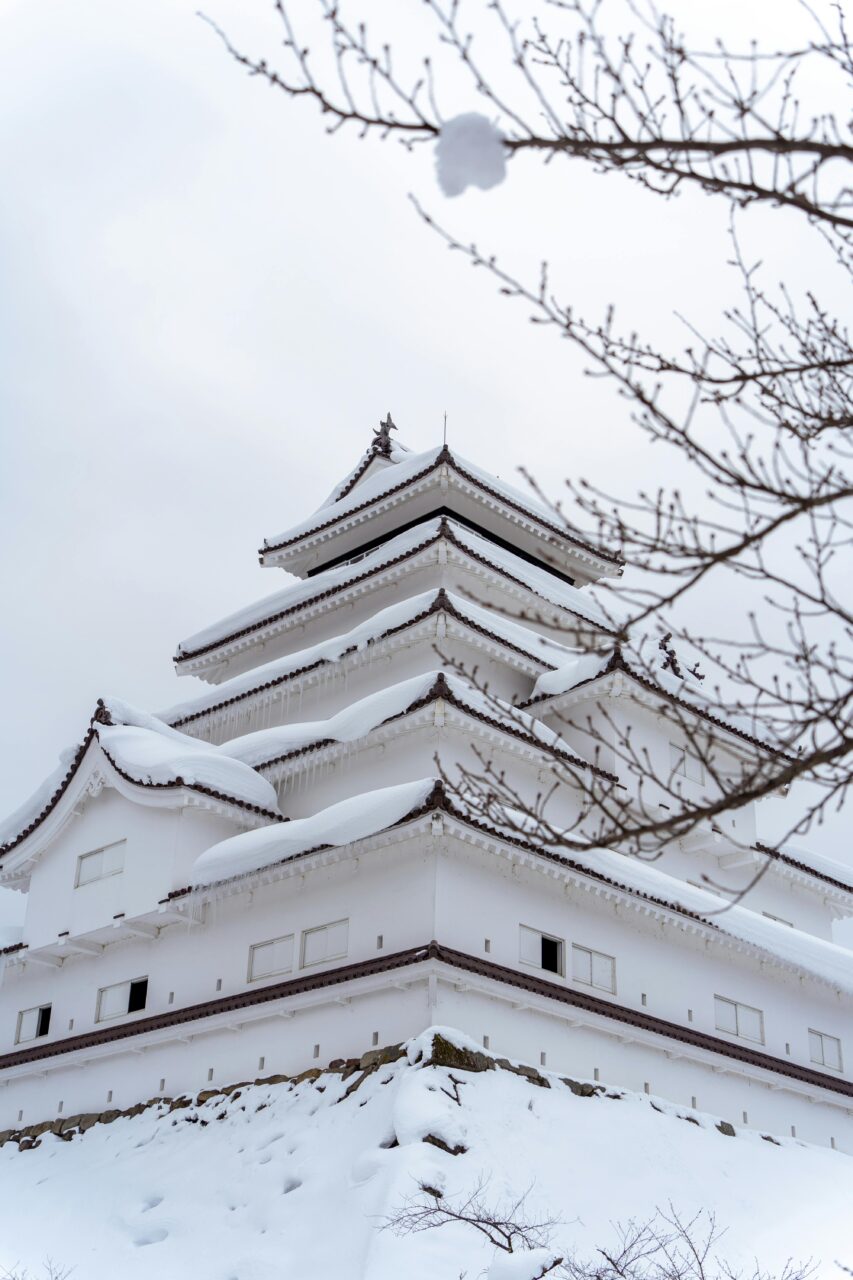
- Aizuwakamatsu Castle — A stronghold of samurai history
- Bandai & Inawashiro Lake — A hub for mountain hiking, water activities, and scenic parks
- Iwaki — A coastal city blending cultural sites, beautiful beaches, and natural hot springs
Areas of the Tohoku Region
Tohoku consists of six prefectures, each offering distinct tourism experiences:
- Aomori (north) — Festivals, Nebuta, lakes, and ancient forests like Shirakami
- Iwate (coast & mountains) — Hiraizumi, Morioka, dramatic Sanriku cliffs
- Miyagi (center) — Sendai, Matsushima, vibrant night life, and historic temples
- Akita (west) — Kakunodate, Yokote, and traditional culture
- Yamagata (mountainous) — Zao, Ginzan, and Haguro spiritual routes
- Fukushima (south) — Aizu, Bandai, scenic lakes, and castle towns
Food, Agriculture & Local Specialties
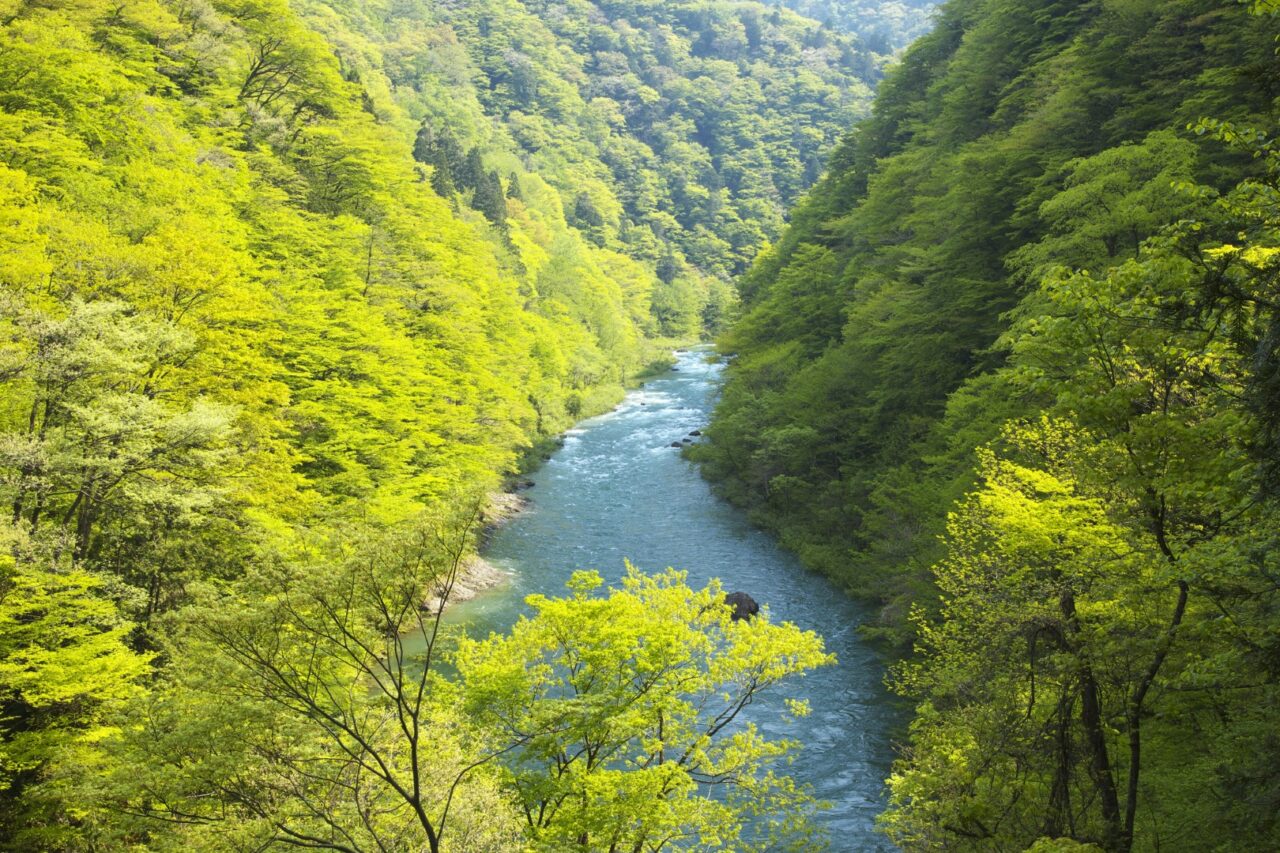
Tohoku’s agriculture is among the most celebrated in Japan, producing top-quality rice, fresh water, seasonal fruits, and regional dining traditions.
- Aomori — apples, seafood, and hearty local food
- Akita — kiritanpo, hinai-jidori chicken, and warm winter dishes
- Iwate — wanko soba and dairy products from lush countryside ranches
- Miyagi — gyutan (beef tongue), fresh bay seafood, and fine sake
- Yamagata — cherries, pears, and mountain vegetables
- Fukushima — peaches, sake, and Aizu cuisine with samurai heritage
Best Seasons to Visit
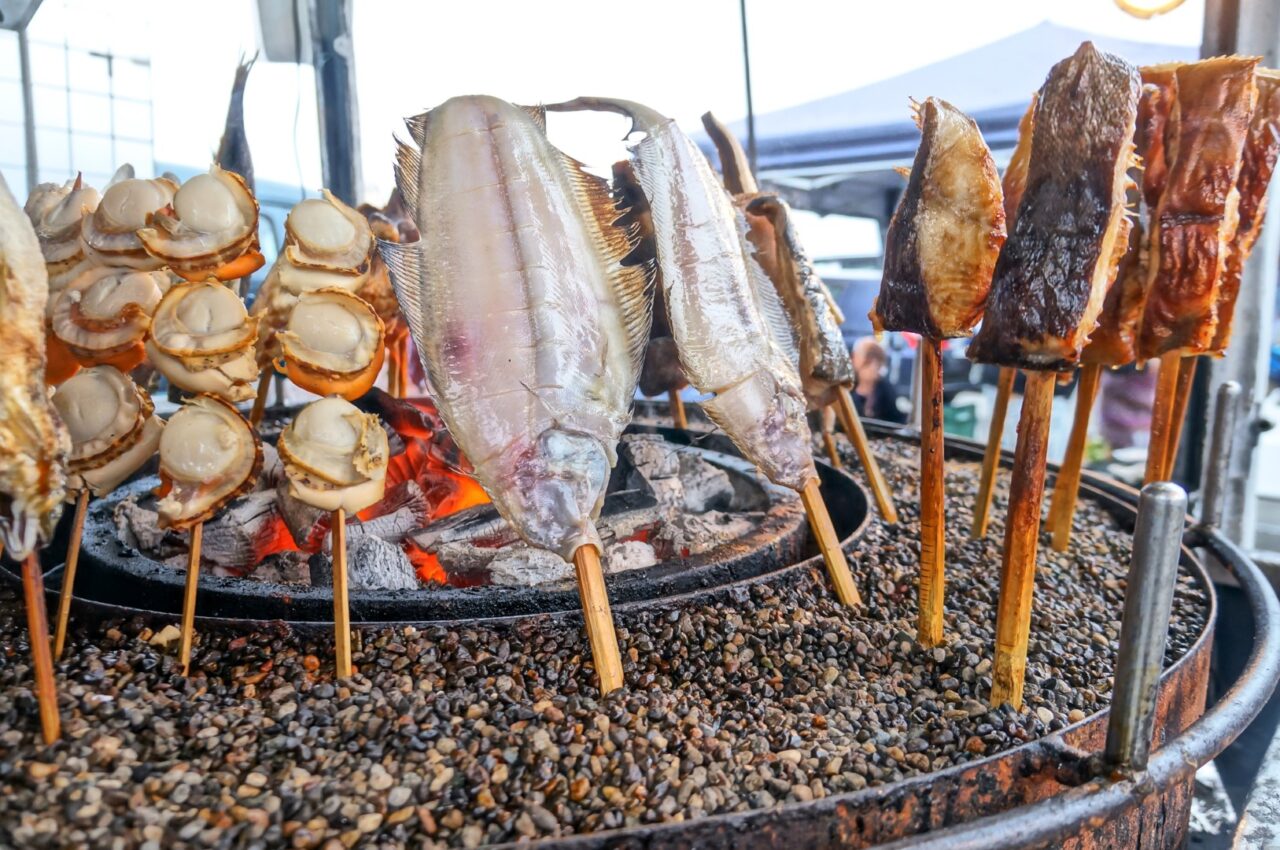
Spring (March–May)
Cherry blossoms in Hirosaki, Kitakami, and Aizu; mild weather and scenic views
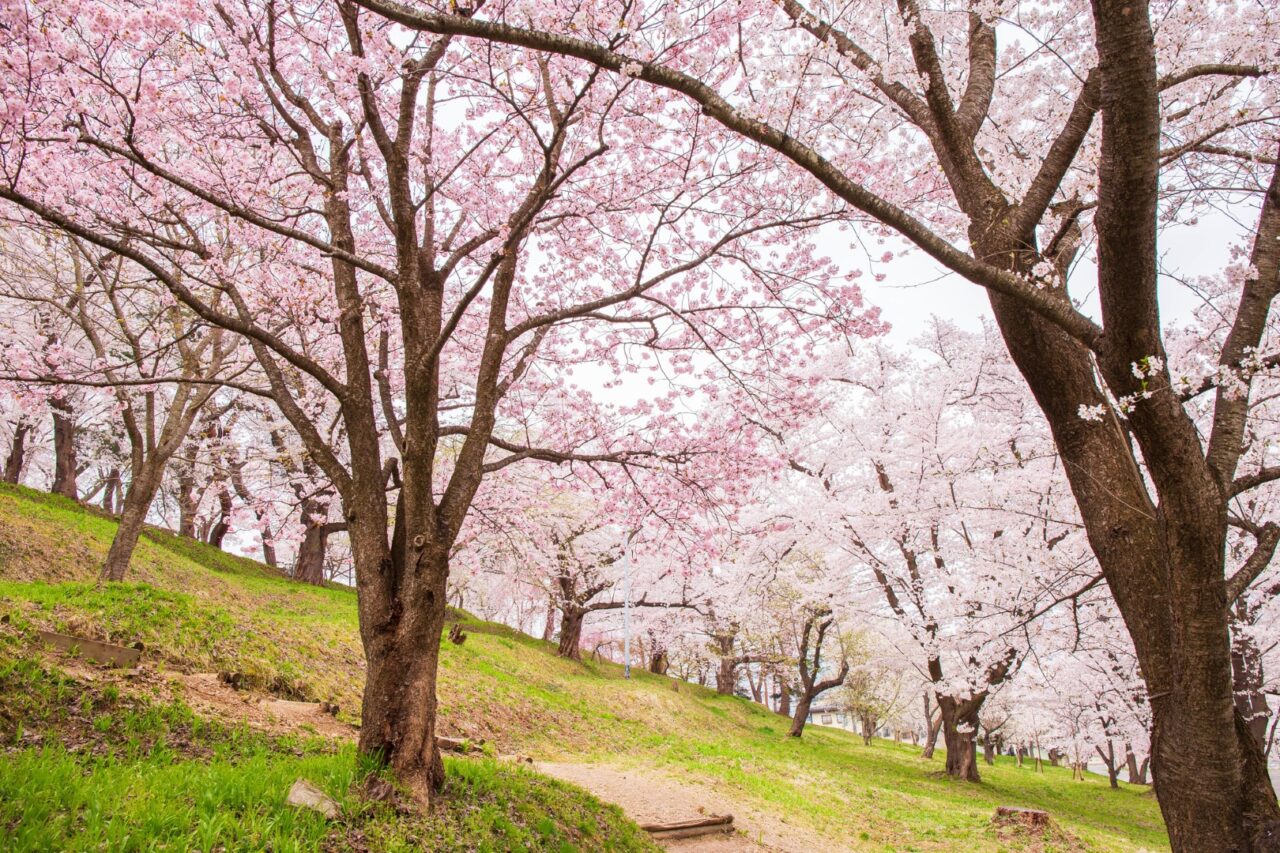
Summer (June–August)
National festivals like Nebuta, Tanabata, and Kanto; lush nature and outdoor activities
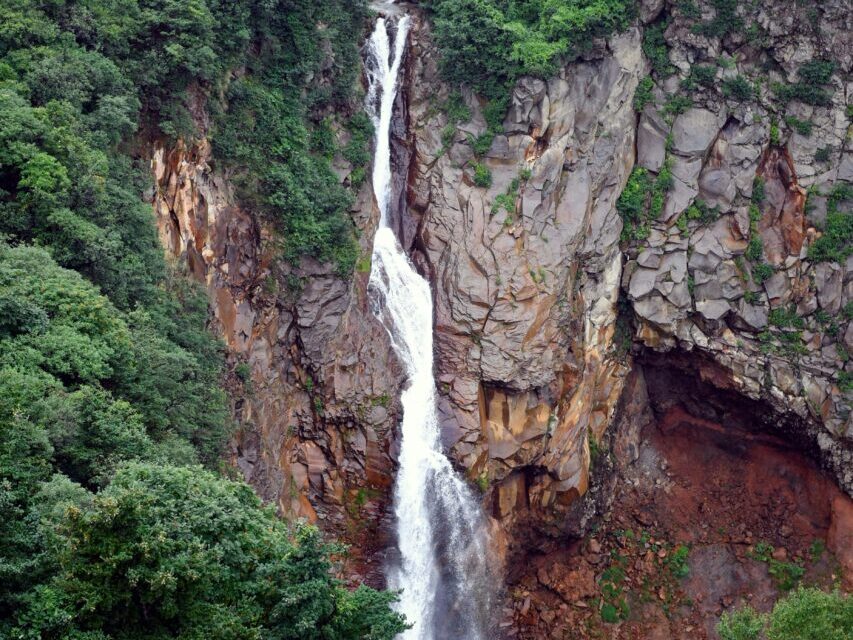
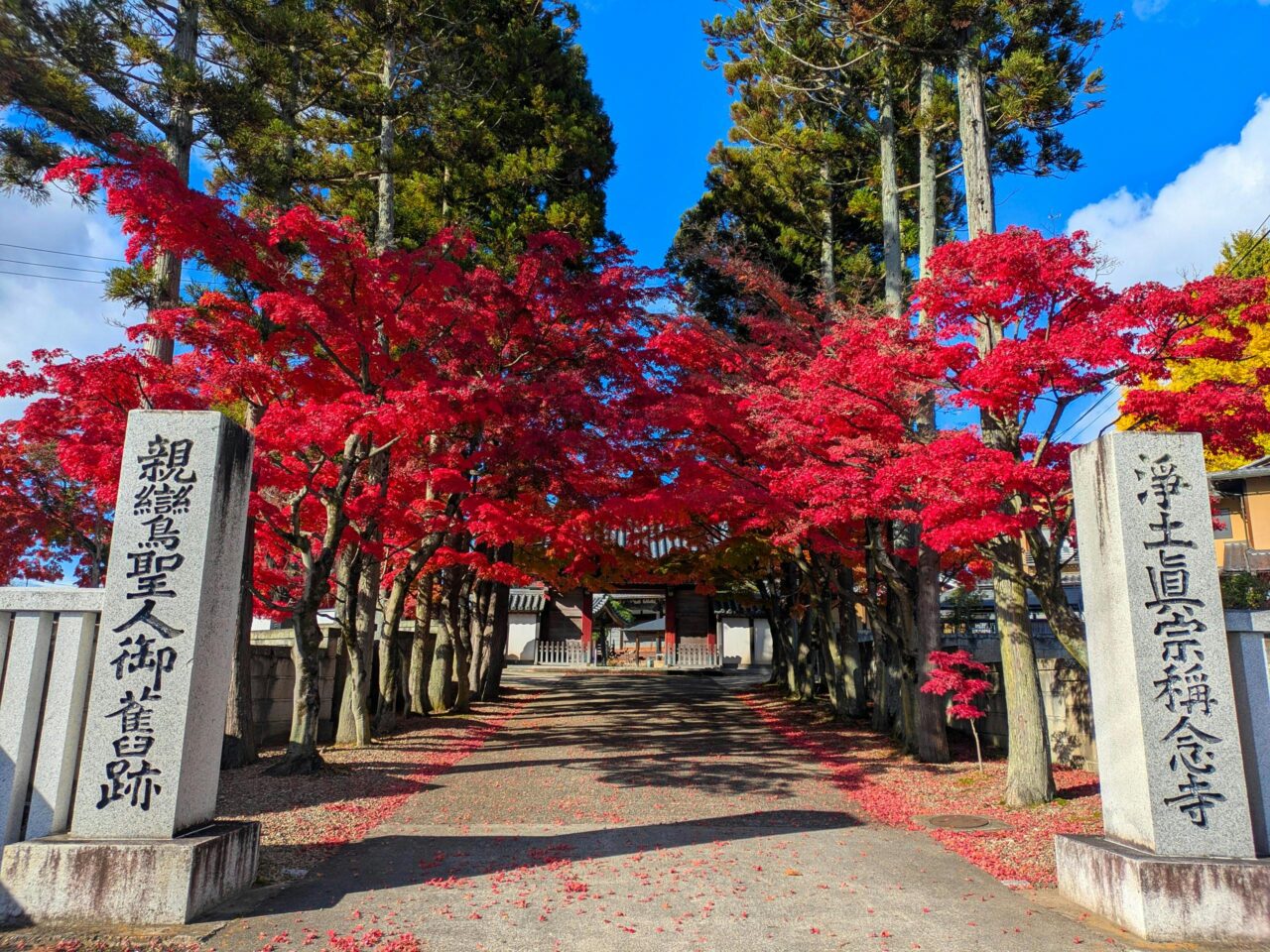
Autumn (September–November)
Colorful foliage across Towada, Naruko, Zao, and Hachimantai
Winter (December–February)
Deep snow, onsen, Yokote Kamakura, and Zao “snow monsters”
Scenic Roads (Perfect for a Self-Drive Roadtrip)
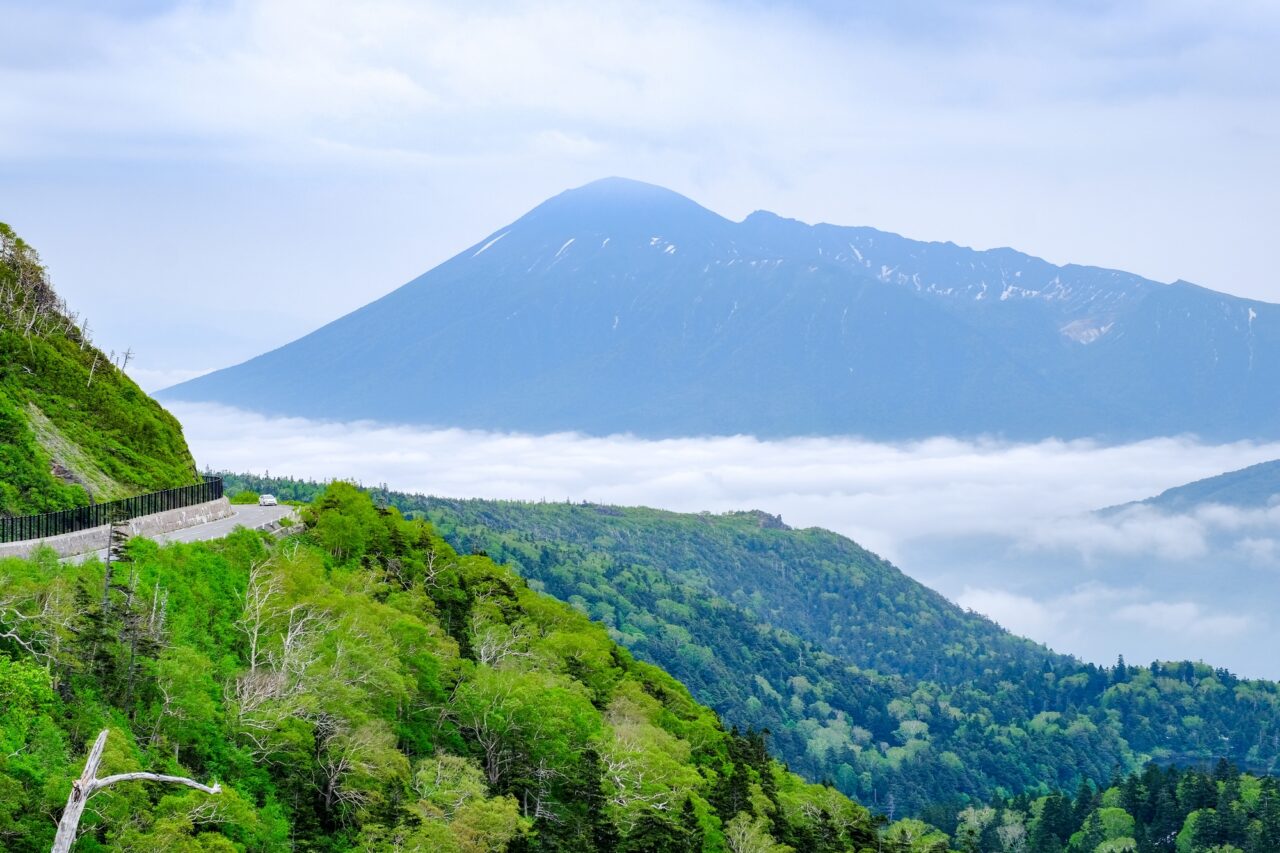
Tohoku’s expansive landscapes make it one of Japan’s best regions for self-drive trips.
- Sunset Line (Route 101) — A rugged coastal drive with sweeping ocean views, charming local spots and dramatic sunsets
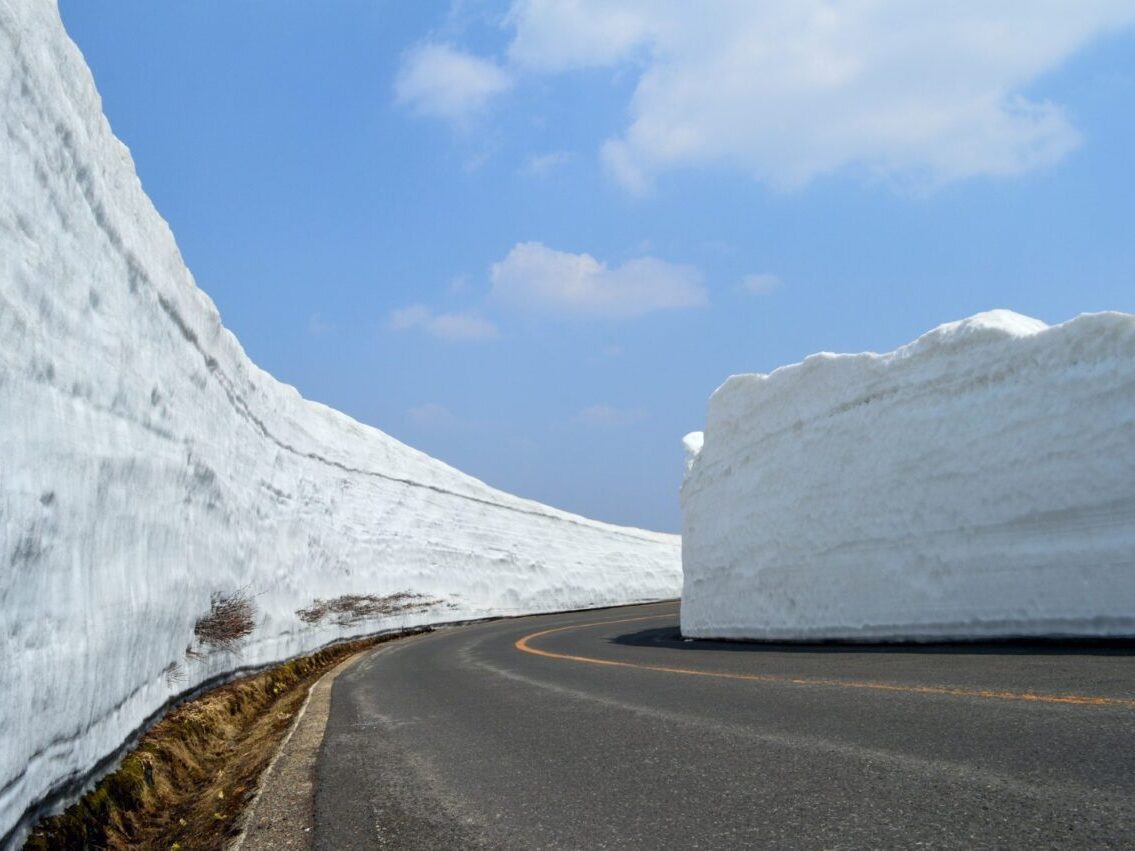
- Hakkoda Towada Gold Line Road (Route 103) — Alpine passes, deep forests, and dramatic snow corridors
- Chokai Blue Line — Mountain road rising from sea level to stunning high-elevation views of Mt. Chōkai, the Sea of Japan, and distant islands
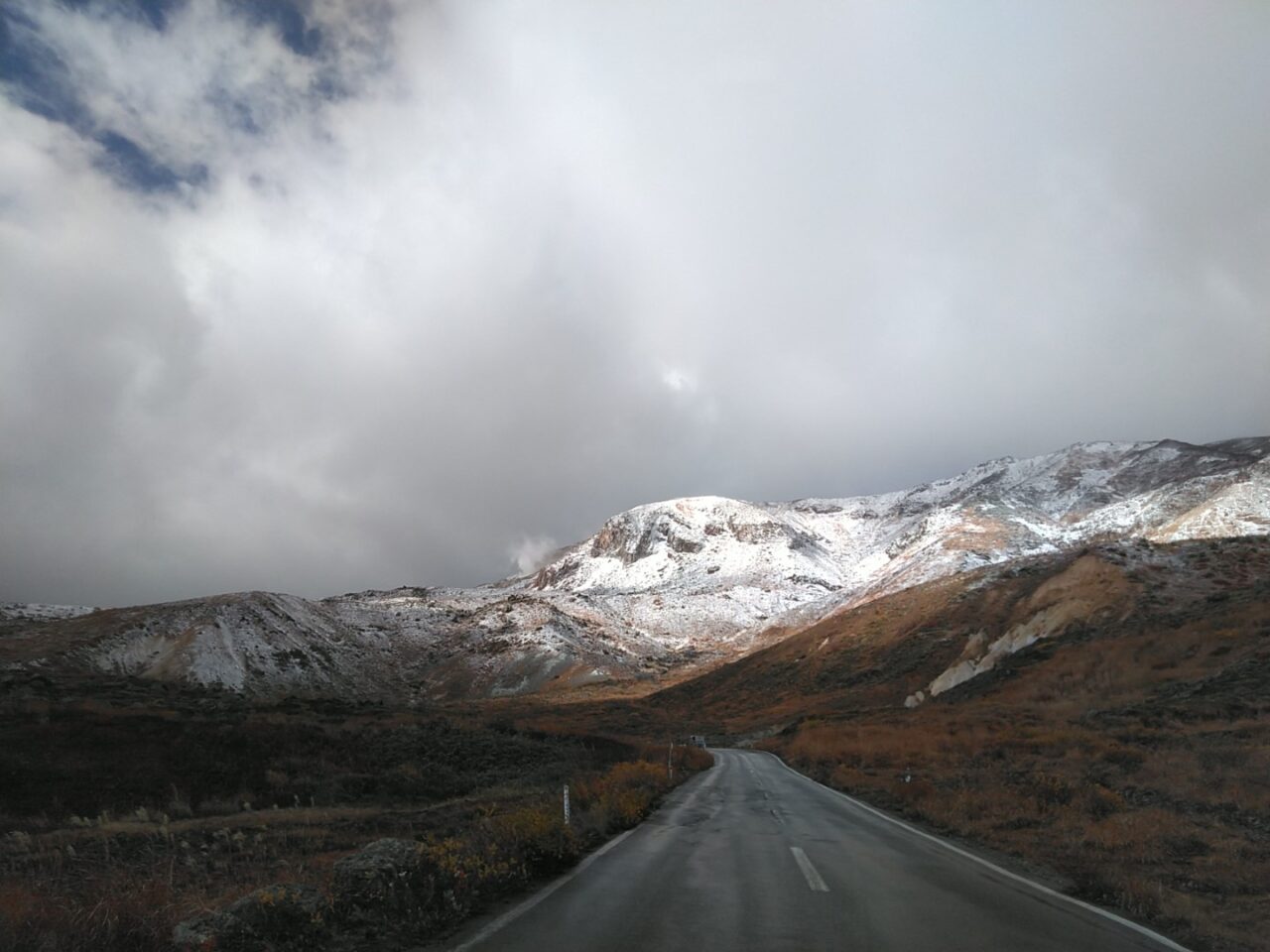
- Hachimantai Aspite Line — Famous for snow corridors in spring and fiery colors in autumn
- Oirase Stream Road — A peaceful drive along waterfalls, mossy forests, and the gorge
- Bandai-Azuma Skyline — Volcanic mountain roads with sweeping views
- Sanriku Coast Road — Rugged coast scenery and charming fishing towns
- Zao Echo Line — Access to Okama crater lake and winter ice formations
How to Get to the Tohoku Region of Japan
By Air
Major gateways include Sendai Airport, Aomori Airport, and Fukushima Airport, offering international and national connections.
By Shinkansen/JR
The Tohoku Shinkansen connects Tokyo to Sendai, Morioka, and Aomori in as little as 90 minutes to 3 hours.
By Car
Many visitors choose to rent a car for deeper access to rural destinations, lakes, and mountainous areas.
How to Get to the Tohoku Region
Recommended Itineraries
Skip the complicated trip planning and instead explore the Tohoku region with one of Drive Japan’s curated driving routes! These routes are all road-tested and are mapped out so you visit each destination at the right time of day, in the most efficient order, and make sure you don’t miss the hidden gems along the way.
- 3-Day Tohoku Trip: Sendai/Matsushima → Morioka → Lake Towada → Aomori
- 4 Days of Tohoku Culture: Sendai/Matsushima → Morioka → Lake Towada → Aomori
View all of Drive Japan’s Tohoku Region road trip itineraries here:
(filter by ‘Tohoku’ under ‘Areas’)